

Pyridoxine hydrochloride CAS#58-56-0
Versatile solubility – Pyridoxine hydrochloride is soluble in water, ethanol, and acetone, allowing flexible use in formulations.
Stable and easy-to-handle – It is stable in air, making it convenient for storage and handling, though it gradually deteriorates under sunlight.
Broad therapeutic applications – Used to prevent and treat nausea during pregnancy, radiation sickness, isoniazid poisoning, and gastrointestinal reactions from anti-tumor drugs.
Supports nutritional health – Can serve as an auxiliary treatment for pellagra and other malnutrition-related conditions.
Products Description of Pyridoxine Hydrochloride CAS#58-56-0
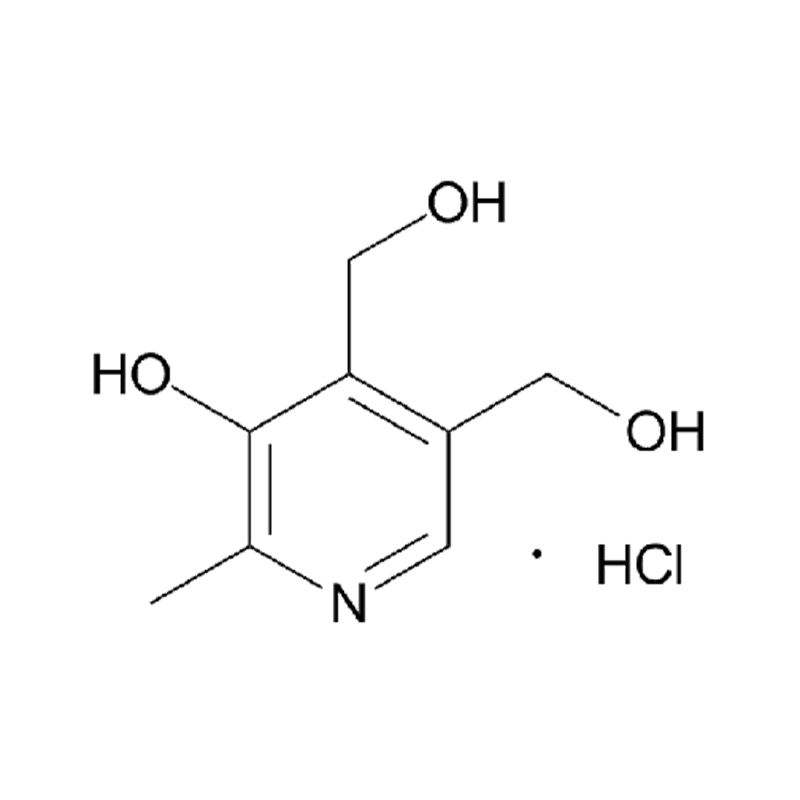
Vitamin B6, also known as pyridoxine or anti-pellagra vitamin, has the scientific name 2-methyl-3-hydroxy-4,5-dihydroxymethylpyridine and is commonly available as pyridoxine hydrochloride. The hydrochloride form is typically used in preparations.
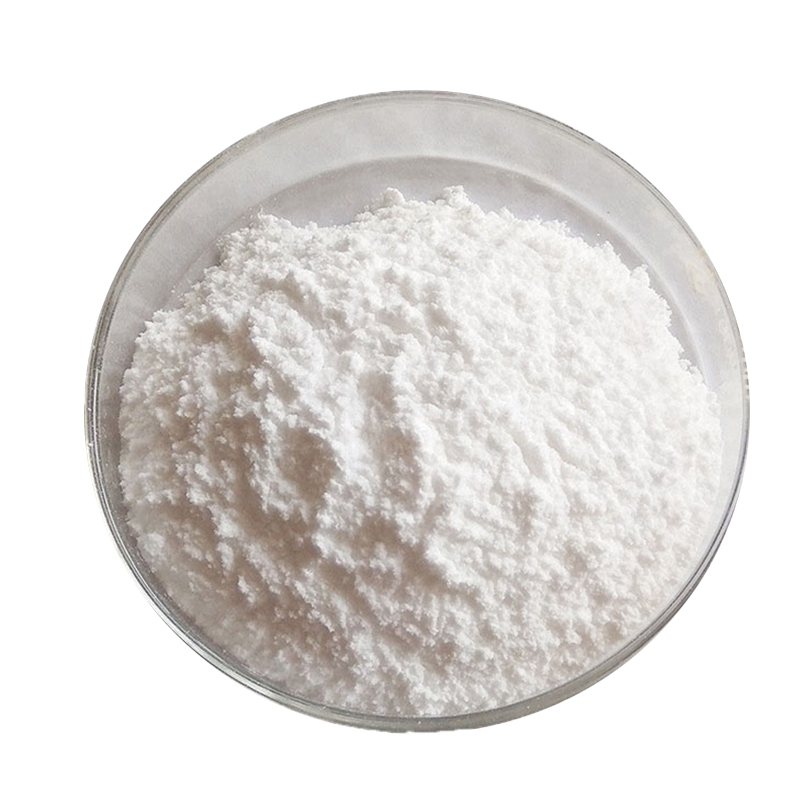
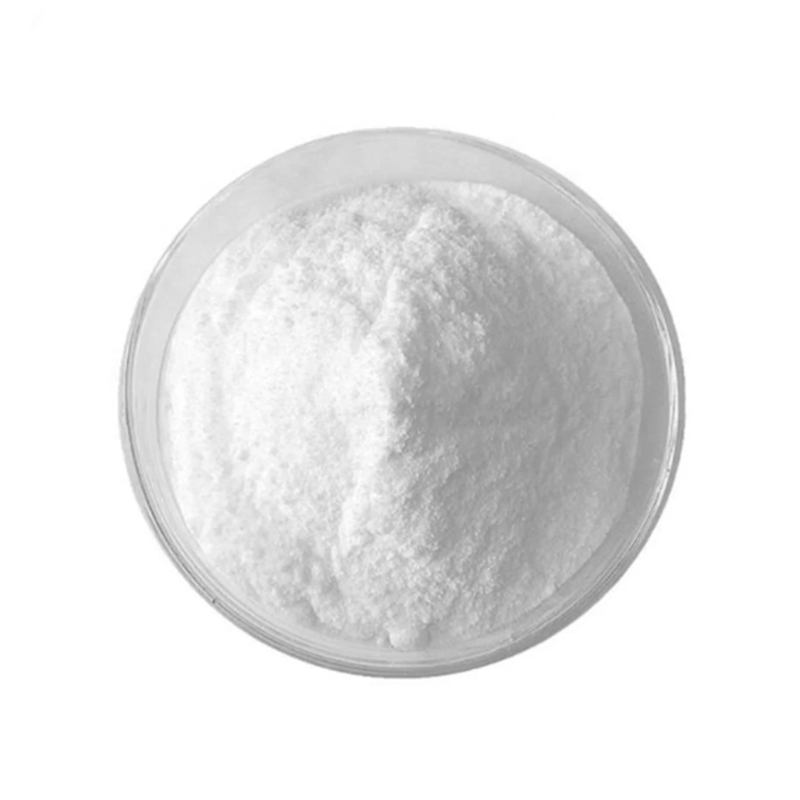
It appears as a white or slightly yellow crystalline powder, with a melting point of 204–206°C (decomposition). It is soluble in water, ethanol, and acetone, slightly soluble in ether, and has a sour and bitter taste. The compound is stable in air but gradually deteriorates upon exposure to sunlight and can sublimate easily. It reacts with ferric chloride to produce a reddish-brown color.
Pyridoxine naturally occurs in rice bran, vegetables, yeast, molasses, and fats, and can also be synthesized from methyl methoxyacetate, acetone, and ethyl cyanoacetate. It is used to prevent and treat nausea during pregnancy, vomiting caused by radiation sickness, isoniazid poisoning, and gastrointestinal reactions from anti-tumor drugs. Additionally, it is sometimes employed as an auxiliary treatment for pellagra and other malnutrition-related conditions.
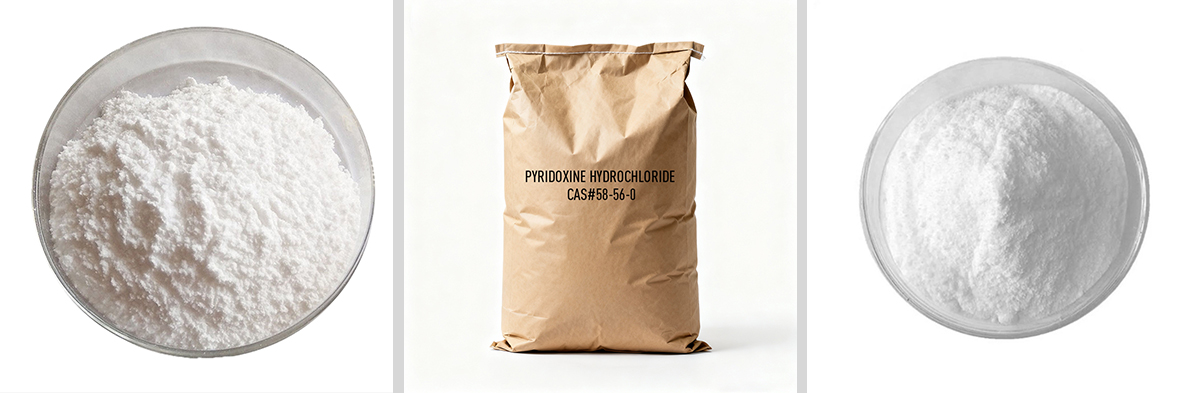
Parameters
| Melting point | 214-215 °C(lit.) |
| density | 1.2784 (rough estimate) |
| vapor density | 7.1 (vs air) |
| refractive index | 1.5800 (estimate) |
| Fp | 9℃ |
| storage temp. | room temp |
| solubility | H2O: 0.1 g/mL at 20 °C, clear, colorless |
| form | Crystalline Powder |
| color | White to almost white |
| PH Range | 3.2 |
| biological source | synthetic (organic) |
| Water Solubility | 0.1 g/mL (20 ºC) |
| Sensitive | Light Sensitive |
| Merck | 147982 |
| BRN | 3632435 |
| BCS Class | 1 |
| Stability: | Stable. Protect from air and light. |
| LogP | -1.098 (est) |
| CAS DataBase Reference | 58-56-0(CAS DataBase Reference) |
| EPA Substance Registry System | 5-Hydroxy-6-methyl-3,4-pyridinedimethanol, hydrochloride (58-56-0) |
Safety Information
| Hazard Codes | Xi,T,F |
| Risk Statements | 36/37/38-39/23/24/25-23/24/25-11 |
| Safety Statements | 26-37/39-45-36/37-16-7-24/25 |
| RIDADR | UN1230 - class 3 - PG 2 - Methanol, solution |
| WGK Germany | 2 |
| RTECS | UV1350000 |
| F | 45879 |
| TSCA | Yes |
| HS Code | 29362500 |
| Hazardous Substances Data | 58-56-0(Hazardous Substances Data) |

Product Application of Pyridoxine Hydrochloride CAS#58-56-0
Pyridoxine hydrochloride is a member of the vitamin B family and is widely used in biochemical research, drug development, and clinical medicine. It is employed to treat conditions such as pellagra, pregnancy-related nausea, and peripheral neuritis caused by isoniazid, among other vitamin B6-related deficiencies.
Clinically, vitamin B6 can be used to address a variety of deficiency-related disorders, including pellagra and seborrheic dermatitis. Regulatory guidelines in some countries specify its use in fortified products: solid beverages (7–10 mg/kg), infant fortified foods (3–4 mg/kg), and fortified beverages (1–2 mg/kg).
The majority of pyridoxine hydrochloride is utilized as a pharmaceutical ingredient or further synthesized into compounds such as pyridoxal phosphate and ceramide. It is also applied as a feed additive, food additive, and included in cosmetics as an ultraviolet absorber.