New Pathway for the Green Hydrogen Economy: Commercial-Scale Renewable Formic Acid Production Realized, ISCC PLUS Certification Provides a Low-Carbon Solution for Hydrogen Storage and Feed Preservation
As the global transition toward green hydrogen and sustainable chemicals accelerates, formic acid—a conventional chemical product—is gaining renewed industrial significance. Recently, renewable formic acid produced from directly captured atmospheric CO₂ and green hydrogen has achieved commercial-scale production at the level of tens of thousands of tonnes and has obtained International Sustainability & Carbon Certification (ISCC) PLUS. This advancement positions formic acid not only as an efficient liquid organic hydrogen carrier but also as a low-carbon or carbon-neutral alternative for traditional applications such as feed preservation and leather tanning.
1. Technological Breakthrough: Green Hydrogen–Carbon Integration and Low-Pressure Synthesis
The key innovation behind this industrial-scale production lies in the use of renewable electricity to transform the conventional synthesis route of formic acid.
Carbon Capture and Activation Technology
A patented process employs modular direct air capture systems to obtain carbon dioxide, which is then catalytically reacted with green hydrogen generated through water electrolysis. The entire operation is powered by wind and solar energy, enabling carbon recycling and sustainable utilization.
Low-Pressure, High-Efficiency Synthesis
Using advanced heterogeneous catalysts, the process reduces the pressure required for traditional synthesis from approximately 40 bar to below 10 bar, while lowering the reaction temperature to under 80°C. This significantly decreases both energy consumption and capital investment, making renewable formic acid commercially competitive for the first time.
2. Ultra-Pure Refining and Water Content Control
Through multi-effect distillation combined with molecular sieve adsorption technology, the final product concentration reaches ≥99.5%, while water content is tightly controlled at ≤0.05%. Extremely low water content is essential for reducing corrosiveness and extending catalyst service life in hydrogen carrier systems.
3. Industry Impact: Expanding Applications in Hydrogen Energy and Green Chemicals
Third-party evaluations have confirmed the significant potential of renewable formic acid in two major application areas.
Scenario 1: Liquid Organic Hydrogen Carrier (LOHC)
Hydrogen storage density reaches 4.3 wt%, allowing safe liquid-state storage and transportation under ambient conditions. This helps overcome the cost and safety challenges associated with compressed or cryogenic hydrogen storage.
Improved low-temperature dehydrogenation catalysts enable efficient hydrogen release at 90–120°C, supporting decentralized hydrogen refueling stations and backup power systems.
Scenario 2: Green Alternative for Traditional Industries
In the silage feed industry, its net-zero-carbon characteristics can help livestock producers reduce carbon emissions and meet sustainability requirements from major food supply chains.
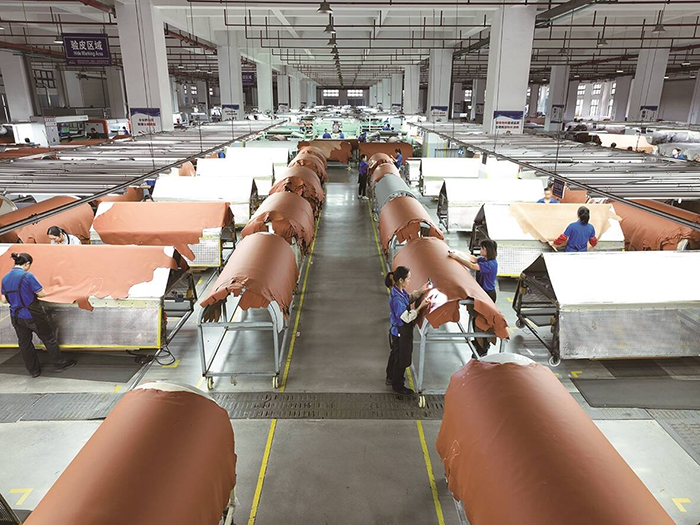
In the leather sector, it offers a traceable, low-carbon tanning agent with additional environmental value.
4. Market Competitiveness and Future Outlook
Although renewable formic acid currently remains more expensive than conventional production routes, its overall hydrogen utilization cost becomes increasingly competitive when accounting for hydrogen compression, storage, transportation, and safety expenses. In green premium markets, renewable formic acid products can achieve a price premium of approximately 15–25%.