Honokiol CAS#35354-74-6
Honokiol is derived from the root bark and branch bark of magnolia species, particularly Magnolia officinalis. This plant was first recorded in the classical text Ben Jing and grows best in cool, humid climates with well-drained acidic soil.
Cortex Magnoliae Officinalis (Hou Po) is mainly produced in Sichuan (Wanquan, Shizhu, Guanxian), Hubei (Shiyan, Yichang, Lichuan), and Zhejiang (Longquan, Anhui), as well as other regions including Fujian, Jiangxi, Hunan, Guangxi, Yunnan, Guizhou, Shanxi, and Gansu.
Sichuan and Hubei origins are commonly referred to as “Chuan Pu” and are regarded as higher quality, while Zhejiang-origin material, known as “Wen Pu,” is recognized for its larger production volume.
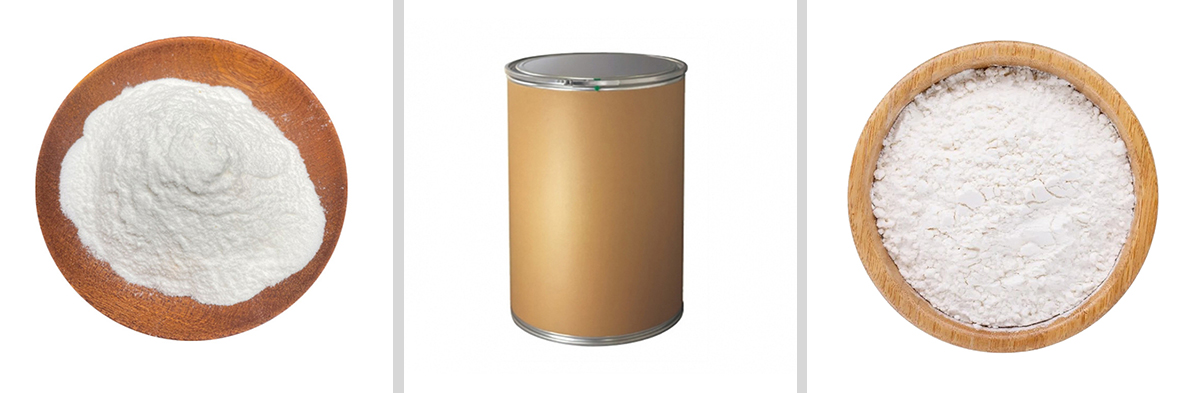
Honokiol Chemical Properties
| Melting point | 86℃ |
| Boiling point | 400.1±40.0 °C(Predicted) |
| density | 1.107±0.06 g/cm3(Predicted) |
| storage temp. | 2-8°C |
| solubility | DMSO: 36 mg/mL |
| pka | 9.89±0.48(Predicted) |
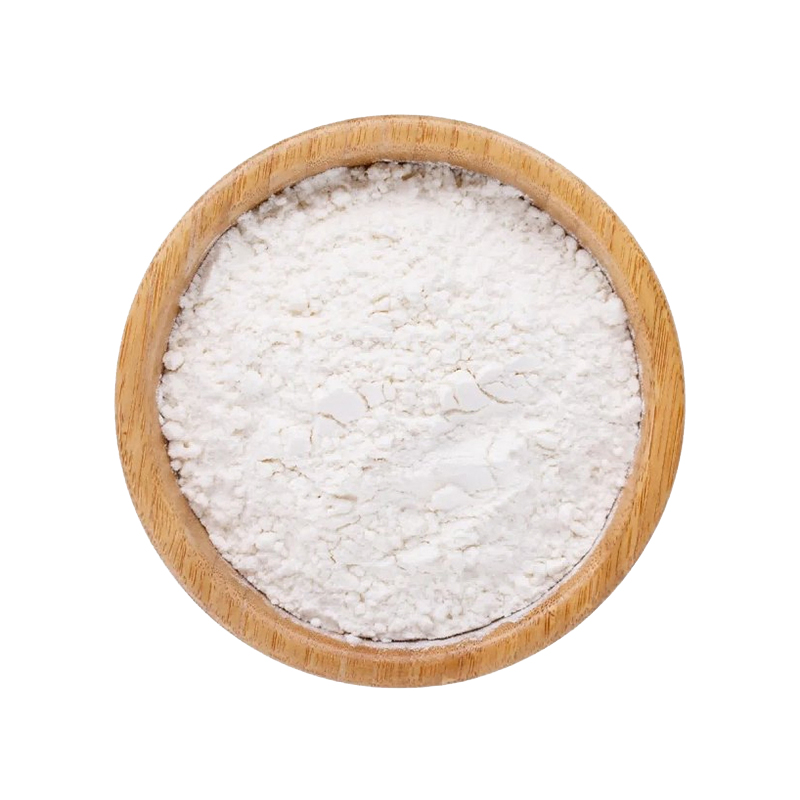
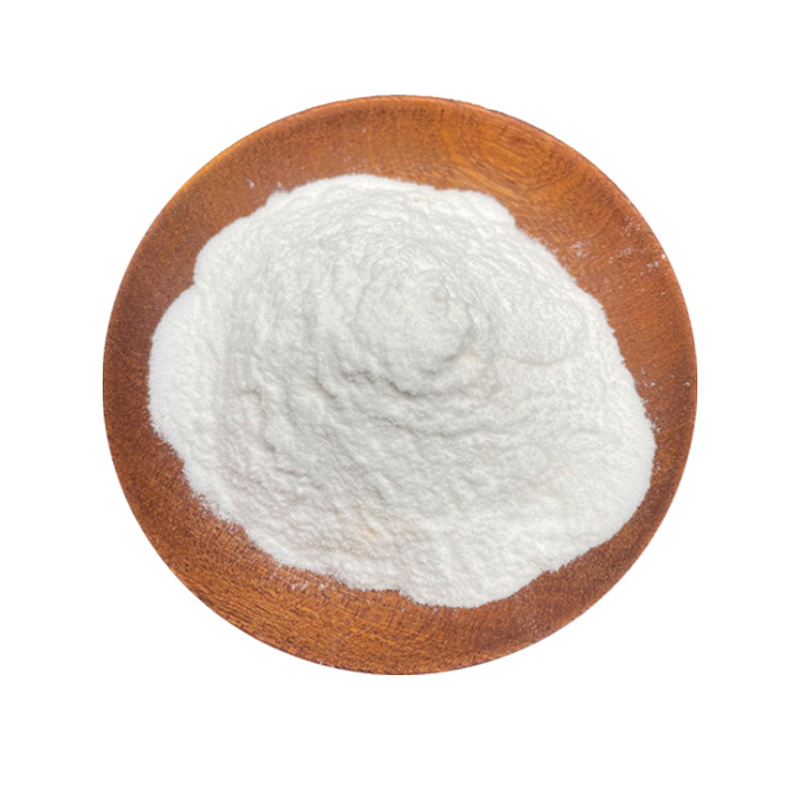
| form | powder |
| color | White to Off-White |
| Merck | 144742 |
| Stability: | Light Sensitive |
| Major Application | food and beverages |
| Cosmetics Ingredients Functions | BLEACHING |
| ANTIOXIDANT | |
| SKIN CONDITIONING | |
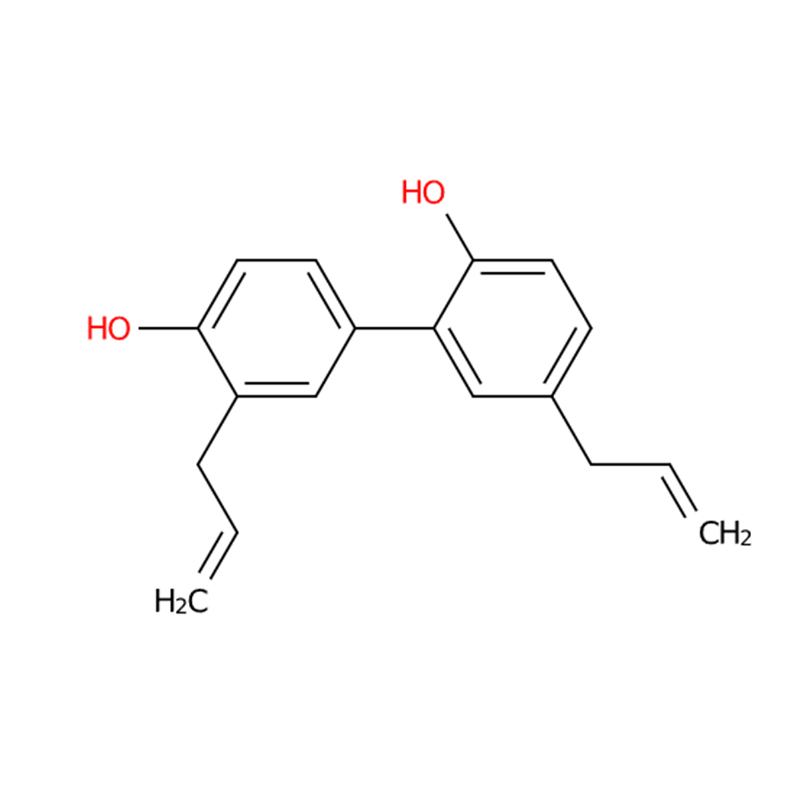
| InChI | InChI=1S/C18H18O2/c1-3-5-13-7-9-18(20)16(11-13)14-8-10-17(19)15(12-14)6-4-2/h3-4,7-12,19-20H,1-2,5-6H2 |
| InChIKey | FVYXIJYOAGAUQK-UHFFFAOYSA-N |
| SMILES | C1(C2=CC=C(O)C(CC=C)=C2)=CC(CC=C)=CC=C1O |
| LogP | 4.200 (est) |
| CAS DataBase Reference | 35354-74-6(CAS DataBase Reference) |
Safety Information
| Hazard Codes | Xi,N |
| Risk Statements | 41-51/53 |
| Safety Statements | 26-39-61 |
| RIDADR | UN 3077 9/PG 3 |
| WGK Germany | 3 |
| HazardClass | 9 |
| HS Code | 29072990 |
| Storage Class | 11 - Combustible Solids |
| Hazard Classifications | Aquatic Chronic 2 |

Product Application of Honokiol CAS#35354-74-6
Magnolia is a traditional Chinese medicinal material and has been included in various classical formulations. In recent years, researchers at home and abroad have conducted in-depth studies on the active constituents, pharmacological effects, and clinical applications of Magnolia officinalis. As a result, products such as magnolia-based anti-caries toothpaste and antibacterial chewing gum made from magnolia extract have been successfully developed and commercialized.