Sulfadiazine CAS#68-35-9
Broad-Spectrum Antimicrobial Activity: Sulfadiazine is effective against a wide range of sensitive bacteria and microorganisms, including streptococci, staphylococci, E. coli, Chlamydia, and Toxoplasma.
Effective Inhibition of Bacterial Growth: By blocking folic acid synthesis in bacterial cells, it effectively suppresses bacterial growth and reproduction.
Targeted Mechanism of Action: Its structure is similar to PABA, allowing it to competitively inhibit dihydrofolate synthase and interfere with essential nucleic acid synthesis.
Widely Used Clinical Anti-Infective Agent: As a well-established sulfonamide anti-infective drug, it is commonly used in clinical applications and pharmaceutical formulations.
Product Description of Sulfadiazine CAS#68-35-9
Sulfadiazine is a sulfonamide anti-infective drug commonly used in clinical practice. It is also known as sulfadiazine or diazine.
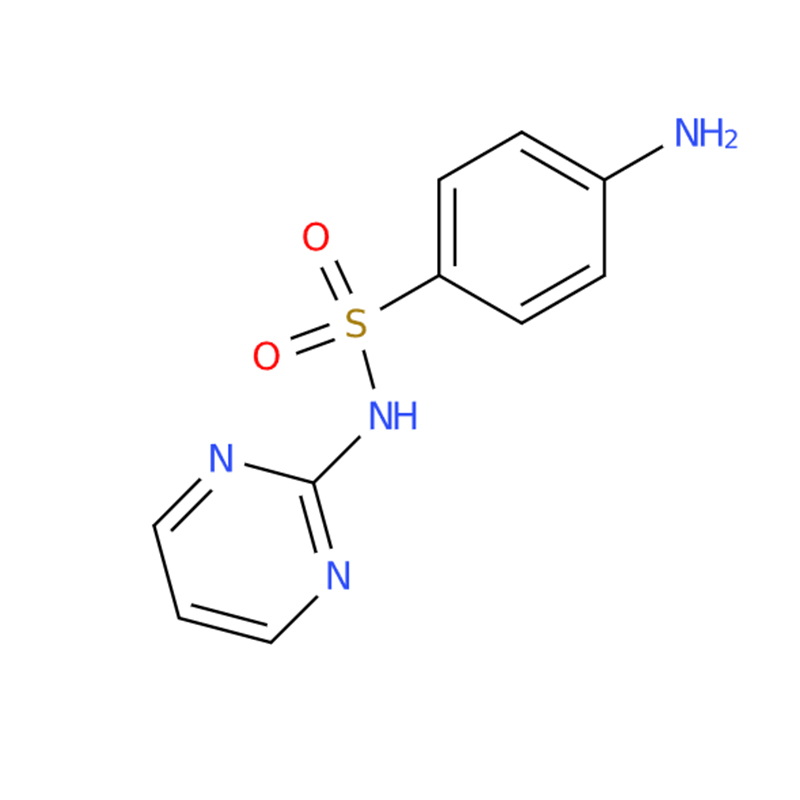
Its molecular structure is similar to para-aminobenzoic acid (PABA), allowing it to competitively inhibit dihydrofolate synthase in bacteria. By blocking the utilization of PABA as a precursor for folic acid synthesis, sulfadiazine reduces the formation of metabolically active tetrahydrofolate, which is essential for the synthesis of purines, thymidine, and deoxyribonucleic acid (DNA) in bacterial cells. As a result, it effectively inhibits the growth and reproduction of bacteria.
Sulfadiazine shows inhibitory activity against a wide range of sensitive bacteria, including hemolytic streptococci, staphylococci, meningococci, pneumococci, gonococci, Escherichia coli, and Shigella dysenteriae. It is also effective against microorganisms such as Chlamydia trachomatis, actinomycetes, Plasmodium, Nocardia asteroides, and Toxoplasma.
Parameters
| Melting point | 253 °C (dec.) (lit.) |
| Boiling point | 512.6±52.0 °C(Predicted) |
| density | 1.3780 (rough estimate) |
| refractive index | 1.6440 (estimate) |
| storage temp. | 2-8°C |
| solubility | Soluble in dimethyl sulfoxide. |
| pk | pKa 2.21(H2O t = 25 I = 0.5 (NaCl)) (Uncertain) |
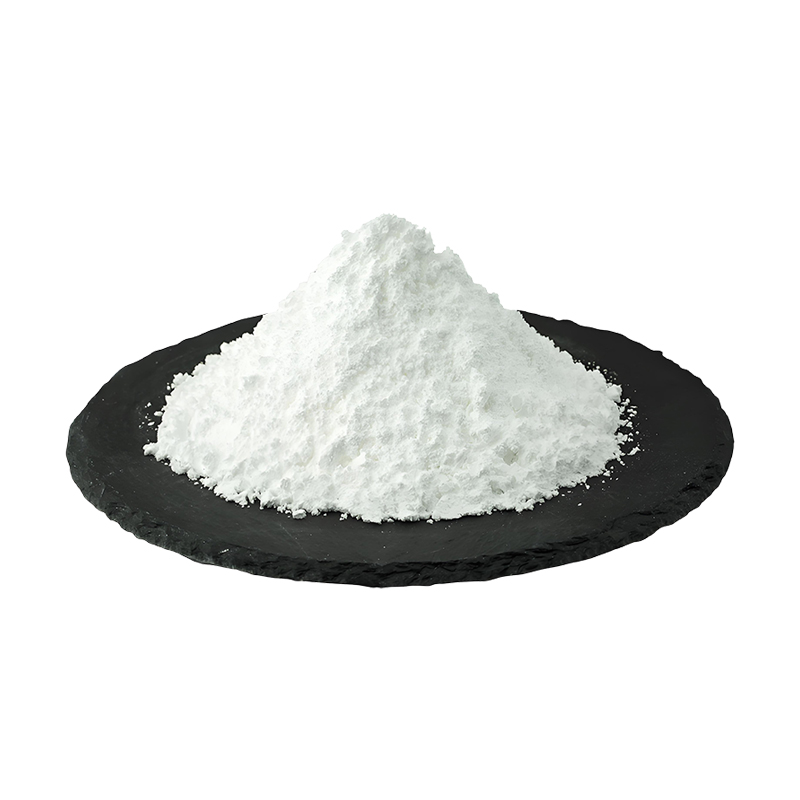
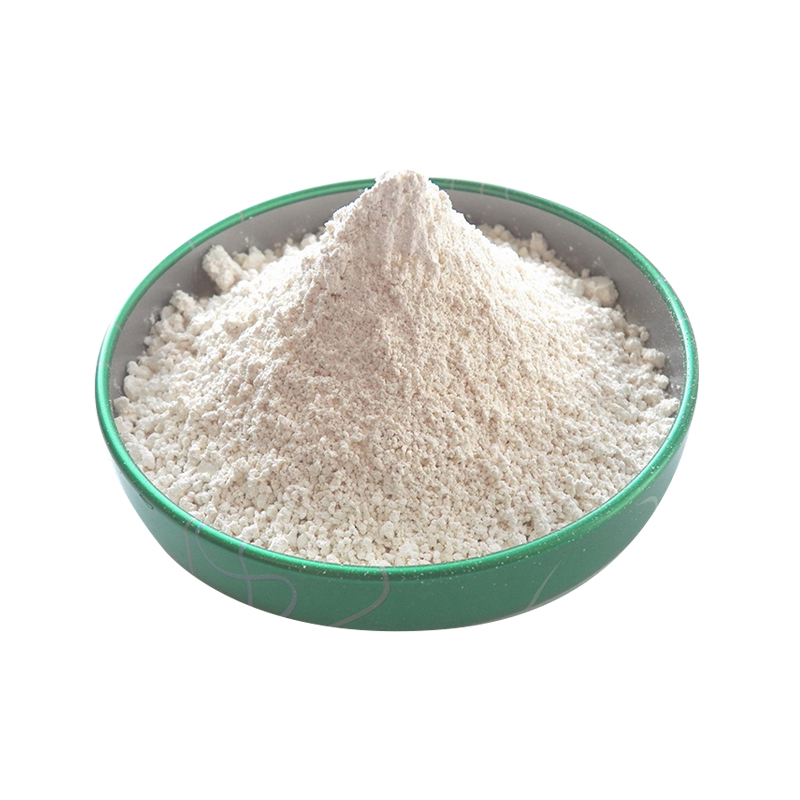
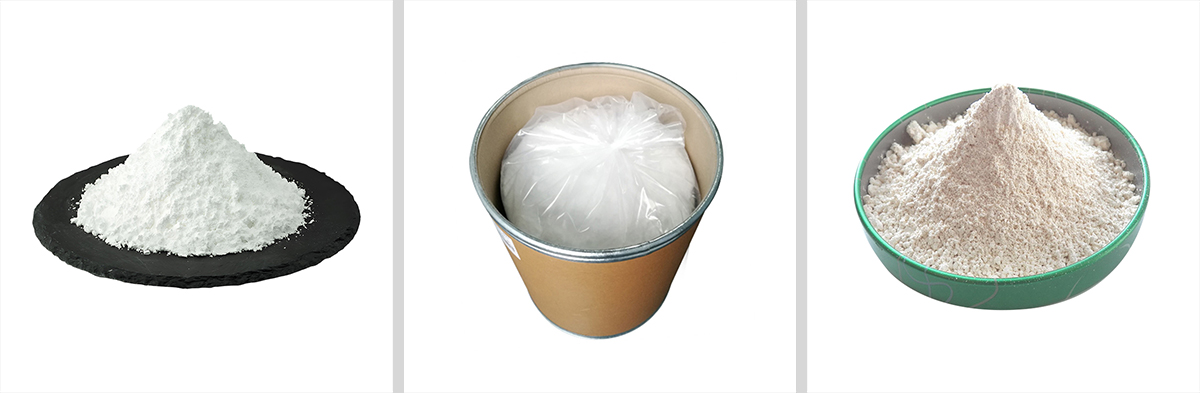
| form | powder |
| color | white |
| Water Solubility | 67.13mg/L(25 ºC) |
| Merck | 148903 |
| BRN | 6733588 |
| BCS Class | 45750 |
| CAS DataBase Reference | 68-35-9(CAS DataBase Reference) |
| NIST Chemistry Reference | Sulfadiazine(68-35-9) |
| EPA Substance Registry System | Benzenesulfonamide, 4-amino-N-2-pyrimidinyl- (68-35-9) |
Safety Information
| Hazard Codes | Xn,Xi |
| Risk Statements | 22-36/37/38-42/43-43-42 |
| Safety Statements | 26-36 |
| RIDADR | 3249 |
| WGK Germany | 3 |
| RTECS | WP1925000 |
| F | 10 |
| TSCA | Yes |
| HazardClass | 6.1(b) |
| PackingGroup | III |
| HS Code | 29335990 |
| Toxicity | LD50 oral in mouse: 1500mg/kg |

Product Application of Sulfadiazine CAS#68-35-9
Sulfadiazine is an excellent sulfonamide drug with strong antibacterial activity, good therapeutic efficacy, rapid absorption, slow excretion, and high effective blood concentration. It is clinically used in the treatment of upper respiratory tract infections, epidemic meningitis, otitis media, furunculosis, puerperal fever, urinary tract infections, and acute bacillary dysentery.
As a sulfonamide antibacterial agent, it is used to treat infections caused by hemolytic streptococci, pneumococci, meningococci, gonococci, and Escherichia coli. It also provides antibacterial and astringent effects in pharmaceutical applications.
Its mechanism of action is based on the inhibition of bacterial dihydropteroate synthase, thereby preventing the synthesis of dihydropteroate and folic acid in prokaryotic cells, which ultimately suppresses bacterial growth and reproduction.