Global Ammonium Chloride Market 2024: Stable Growth Driven by Agricultural Demand and Expanding Industrial Applications
Ammonium chloride (chemical formula: NH₄Cl), commonly referred to as sal ammoniac, is a white crystalline inorganic compound widely used in agriculture, industrial processing, and pharmaceutical applications. In 2024, the global ammonium chloride market continues to experience steady growth, supported by increasing demand for efficient nitrogen fertilizers in emerging markets and the growing use of ammonium chloride in metal treatment and lithium-ion battery manufacturing. This report reviews the latest market developments from five key perspectives to provide a comprehensive overview of the industry.
1. Market Size and Regional Distribution: Asia Continues to Dominate Demand
According to the latest data from Grand View Research, the global ammonium chloride market was valued at approximately USD 2.8 billion in 2023 and is expected to expand at a CAGR of 4.2% between 2024 and 2030. Demand distribution varies significantly by region, with Asia remaining the primary consumption center due to its extensive agricultural activities.
2. Key Application Areas: Agriculture Leads While Industrial Demand Expands
The application structure of ammonium chloride is highly concentrated, with agriculture and industrial uses accounting for more than 90% of total consumption.
Agricultural Sector (75% of total consumption):
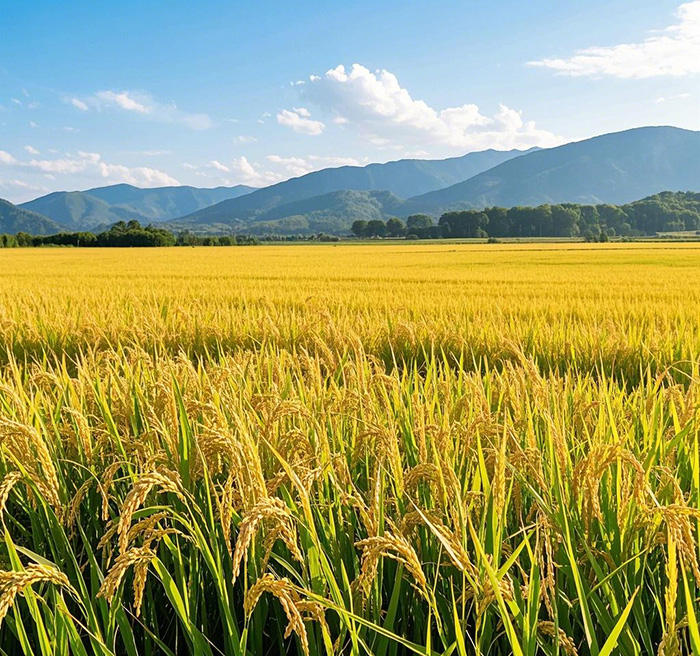
Ammonium chloride is widely used as a nitrogen fertilizer, particularly for crops such as rice, wheat, and cotton. Government initiatives supporting high-yield agricultural production in China and India have significantly increased demand. Combined sales in these two countries reached approximately 5.2 million metric tons in 2023.
Industrial Sector (18% of total consumption):
Industrial applications include metal pickling for rust removal on steel surfaces, zinc plating, and use as an electrolyte additive in lithium-ion batteries. Driven by the rapid growth of the electric vehicle industry, demand for battery-grade ammonium chloride is projected to increase at an annual rate of approximately 8% from 2024 to 2030.Other Applications (7% of total consumption):
Additional uses include pharmaceutical formulations, where it functions as an expectorant, and food processing applications, where it is used as a yeast nutrient in baking products.
3. Production and Supply Chain: China Maintains Global Leadership
Global production of ammonium chloride remains highly concentrated, with China accounting for more than 70% of worldwide output in 2023. The primary manufacturing methods include the Solvay process, where ammonium chloride is generated as a by-product during soda ash production, and the ammonia–hydrochloric acid neutralization process. Raw material price fluctuations continue to influence production costs and profit margins across the industry.
- Previous : New Pathway for the Green Hydrogen Economy: Commercial-Scale Renewable Formic Acid Production Realized, ISCC PLUS Certification Provides a Low-Carbon Solution for Hydrogen Storage and Feed Preservation
- Next : Bio-Based Acetic Acid Reaches 10,000-Ton Industrial Scale and Obtains ISCC PLUS Certification, Creating a New Low-Carbon Feedstock Option for PTA and Vinyl Acetate Value Chains