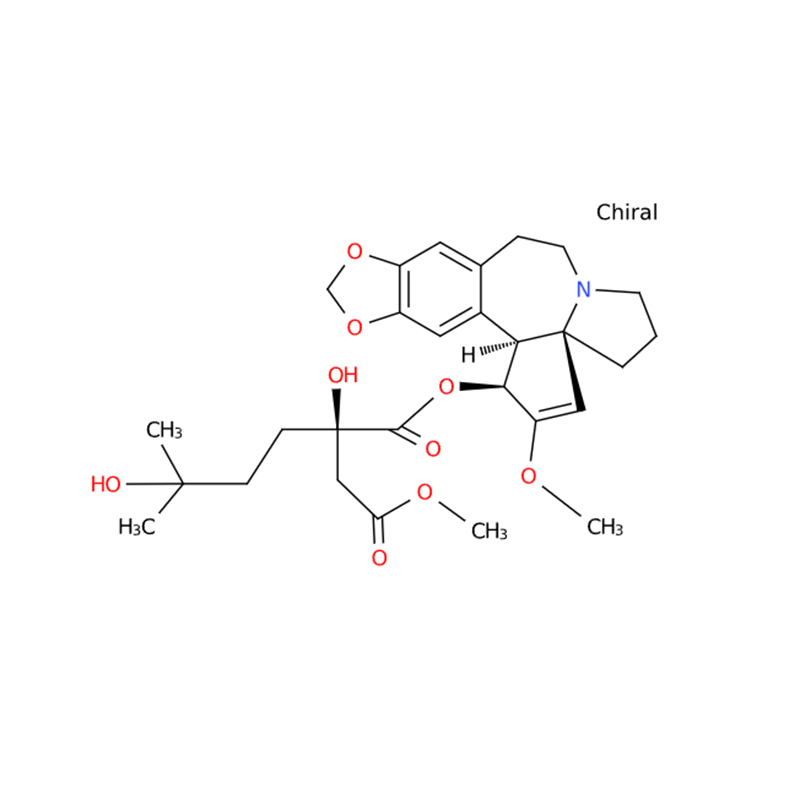


HARRINGTONINE CAS#26833-85-2
Effective Protein Synthesis Inhibitor: Harringtonine efficiently inhibits protein synthesis at low micromolar concentrations, making it a valuable compound for biochemical and molecular biology research.
Selective Ribosome Immobilization: The compound rapidly immobilizes ribosomes immediately after translation initiation, enabling precise investigation of translational mechanisms and ribosome dynamics.
Valuable Tool for Translation Studies: Harringtonine is widely used in research involving ribosome-protected mRNA fragment analysis, supporting advanced studies of gene expression and translational regulation.
Potential Relevance in Cancer Research: Due to its biological activity, harringtonine has attracted attention in oncology-related research, particularly in studies exploring mechanisms associated with leukemia and other cancers.
HARRINGTONINE CAS#26833-85-2
Harringtonine is a naturally occurring alkaloid known for its ability to inhibit protein synthesis at low micromolar levels. It acts by rapidly arresting ribosomes immediately following the initiation phase of translation. Although harringtonine has attracted interest for its potential role in cancer-related research, its analog homoharringtonine has demonstrated greater effectiveness, especially in studies involving chronic myelogenous leukemia. In addition, harringtonine is widely utilized in translation research because its ribosome-arresting activity enables the capture of ribosome-protected mRNA fragments for translation analysis.
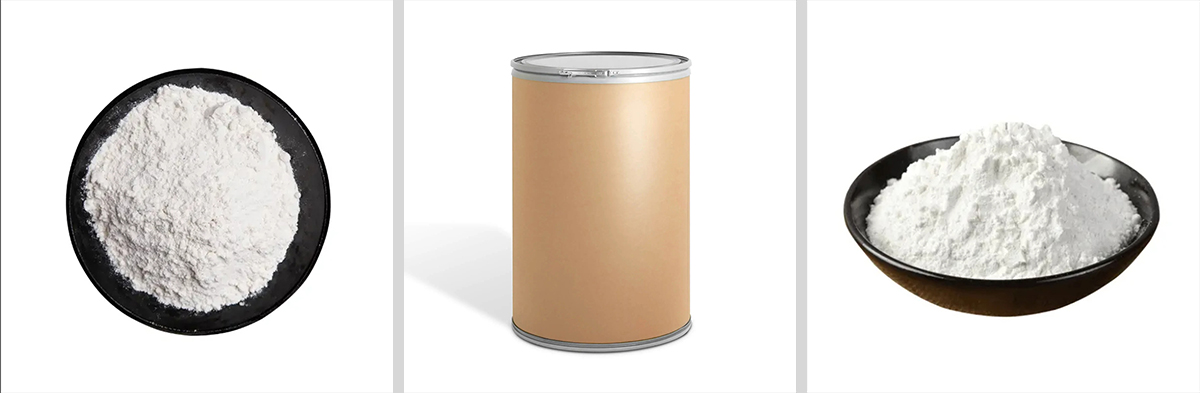
HARRINGTONINE Chemical Properties
| Melting point | 73~75℃ |
| Boiling point | 679.4±55.0 °C(Predicted) |
| Density | 1.35±0.1 g/cm3(Predicted) |
| Storage temp. | 2-8°C |
| Solubility | DMF: 25 mg/ml; DMSO: 25 mg/ml; Ethanol: 25 mg/ml; Ethanol:PBS(pH 7.2) (1:1): 0.5 mg/ml |
| Pka | 11.62±0.29(Predicted) |
| Form | A crystalline solid |
| Color | White to light yellow |
| RIDADR | 1544 |
| HazardClass | 6.1(a) |
| PackingGroup | II |

Product Application of HARRINGTONINE CAS#26833-85-2