Polypropylene Glycol CAS#25322-69-4
Wide Solubility and Compatibility: Exhibits excellent solubility flexibility, dissolving in water at lower molecular weights and in oils, hydrocarbons, alcohols, ketones, and esters at higher molecular weights.
Chemically Reactive End Groups: Features hydroxyl groups at both molecular ends, enabling esterification and etherification for diverse chemical modifications.
Stable and Safe Physical Properties: Non-volatile and non-corrosive, ensuring safe handling and stable performance in various industrial applications.
Broad Industrial Application Range: Widely used as a solvent and as a key raw material in the production of resins, emulsifiers, lubricants, plasticizers, and related formulations.
Product Description of Poly(propylene glycol) CAS No. 25322-69-4
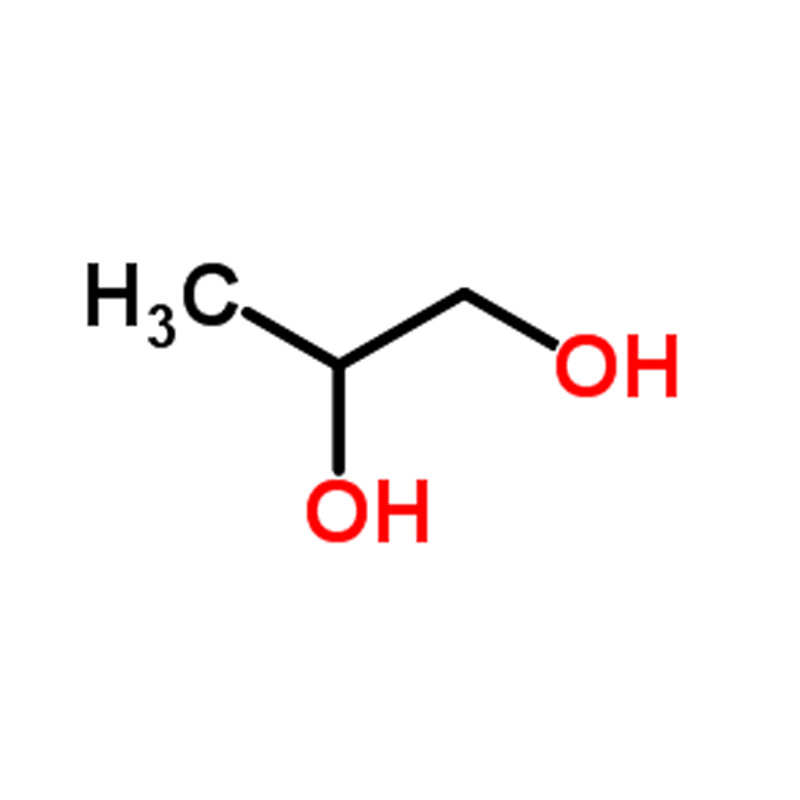
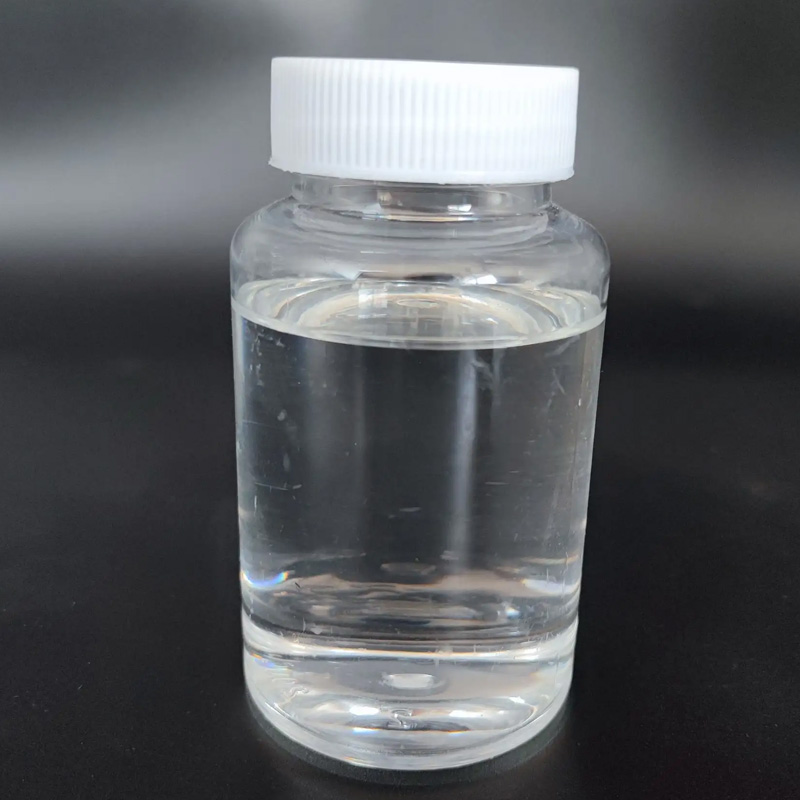
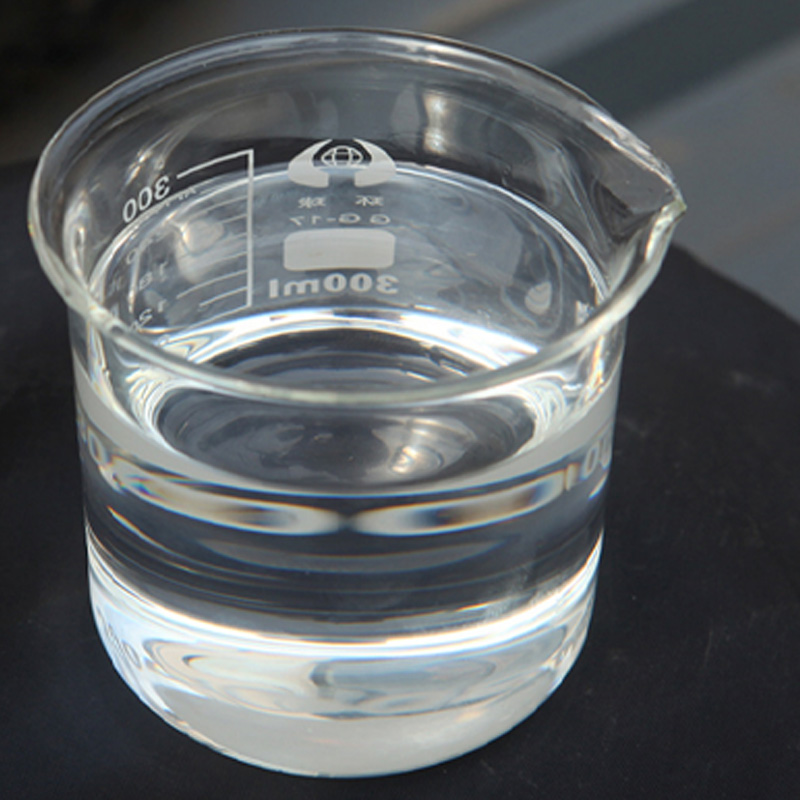
Poly(propylene glycol) is a polymer with the molecular formula H(C₃H₆O)ₙOH. It appears as a colorless to pale yellow viscous liquid and is non-volatile and non-corrosive. Commercial products typically have molecular weights ranging from 400 to 2050. Lower-molecular-weight grades are water-soluble, while higher-molecular-weight grades are only slightly soluble in water but readily dissolve in oils, various hydrocarbons, aliphatic alcohols, ketones, and esters.
The molecule contains hydroxyl groups at both ends, allowing esterification to form monoesters or diesters. Monoesters function as non-ionic surfactants and can further react with alcohols to produce ethers. Poly(propylene glycol) is used as a solvent for vegetable oils, resins, and paraffin wax, and is also widely applied in the manufacture of alkyd resins, emulsifiers, demulsifiers, lubricants, and plasticizers. It is produced by the condensation of propylene oxide with propylene glycol under high pressure or in the presence of an acidic catalyst.
Parameters
| Melting point | -40 °C |
| Boiling point | >300 °C |
| density | 1.01 g/mL at 20 °C |
| vapor density | >1 (vs air) |
| Pour Point | -26 |
| Pour Point | -45 |
| vapor pressure | <0.01 mm Hg ( 20 °C) |
| refractive index | n20/D 1.451 |
| Fp | 230 °C |
| solubility | H2O: <0.01 % (w/w) at 25 °C |
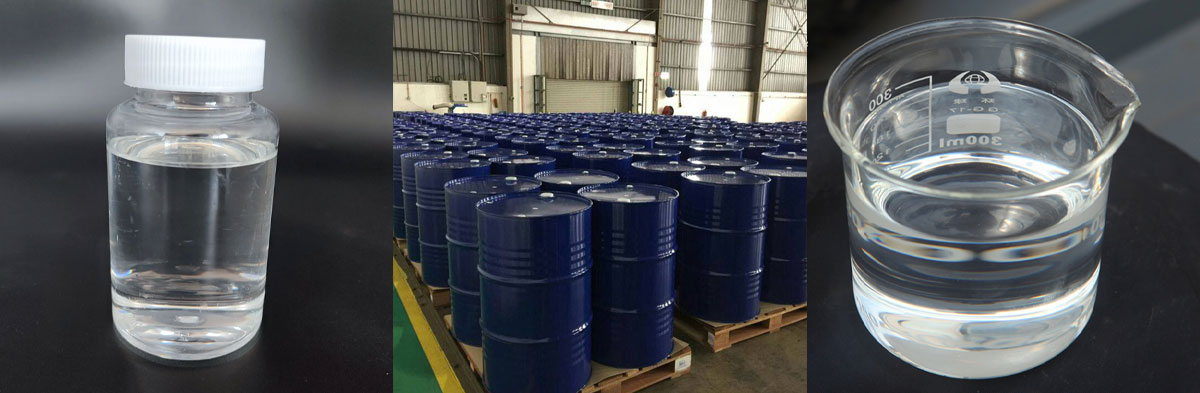
| form | Viscous Liquid |
| Specific Gravity | 1.005 |
| color | White to light gray |
| Water Solubility | PRACTICALLY INSOLUBLE |
| FreezingPoint | -25 |
| FreezingPoint | -40 |
| Stability: | Stable. Substances to be avoided include strong oxidizing agents. |
| LogP | 0.01 at 25℃ |
| NIST Chemistry Reference | Polypropylene glycol 425(25322-69-4) |
| EPA Substance Registry System | Polypropylene glycol (25322-69-4) |
| Safety Statements | 24/25 |
| WGK Germany | 1 |
| RTECS | TR5250000 |
| TSCA | Yes |
| HS Code | 39072090 |
| Hazardous Substances Data | 25322-69-4(Hazardous Substances Data |
Product Application of Poly(propylene glycol) CAS No. 25322-69-4
Poly(propylene glycol) is widely used in polymer science and the organic chemical industry, particularly in polymers, hydrophobic polymer materials, and related organic substances. It serves as a professional reagent, biochemical reagent, and chemical raw material in various research and industrial fields.
As part of the polypropylene glycol (PPG) series—including grades such as PPG-400, PPG-1000, PPG-2000, and PPG-4000—it is applied in food processing additives, food additives, and defoaming agents, as well as in pesticide formulations and cosmetic raw materials.
Poly(propylene glycol) is also utilized as an active pharmaceutical ingredient and as an intermediate in pharmaceutical, pesticide, and dye manufacturing. In addition, it functions as a solvent and organic raw material in the production of alcohol-based chemicals and other organic chemical products across multiple industrial applications.