Rutin CAS#153-18-4
Rich Natural Sources – Rutin is widely distributed in many plant species, especially abundant in Rutaceae, Leguminosae, Polygonaceae, and other medicinal and edible plants.
High-Quality Extraction Raw Materials – Mainly extracted from Sophora japonica Linn, a premium medicinal plant recorded in Shen Nong’s Classic Materia Medica.
Abundant Supply Availability – Also sourced from tartary buckwheat and various plants cultivated across multiple regions of China, ensuring stable and sufficient raw material supply.
Plant-Derived and Naturally Occurring Compound – Naturally occurring flavonoid suitable for pharmaceutical, nutraceutical, and functional food applications.
Product Description of Rutin CAS#153-18-4
Rutin is widely distributed in nature and is present in numerous plant species, particularly in members of the Rutaceae family and other related plants. It is especially abundant in Rutaceae, Leguminosae, Epacridaceae, Polygonaceae (buckwheat), Hypericum species, Berchemia polyphylla var. leioclada, and wild wutong leaves of thistle, all of which are commonly used as raw materials for rutin extraction. In addition, rutin is also found in plants such as Ilex pubescens of the Aquifoliaceae family, Forsythia of the Oleaceae family, pagoda tree pods of Leguminosae, as well as in tobacco, jujube, apricots, citrus peels, tomatoes, and many other plants.
At present, rutin in China is mainly extracted from Sophora japonica Linn, a leguminous plant recorded as a top-grade herb in Shen Nong’s Classic Materia Medica. Furthermore, tartary buckwheat, which is rich in rutin and flavonoids and is native to India, is now widely cultivated in northwest, southwest, north, south, and other regions of China.
Parameters
| Melting point | 195 °C (dec.)(lit.) |
| alpha | D23 +13.82° (ethanol); D23 -39.43° (pyridine) |
| Boiling point | 576.13°C (rough estimate) |
| density | 1.3881 (rough estimate) |
| refractive index | 1.7650 (estimate) |
| storage temp. | Keep in dark place,Sealed in dry,2-8°C |
| solubility | pyridine: 50 mg/mL |
| pka | 6.17±0.40(Predicted) |
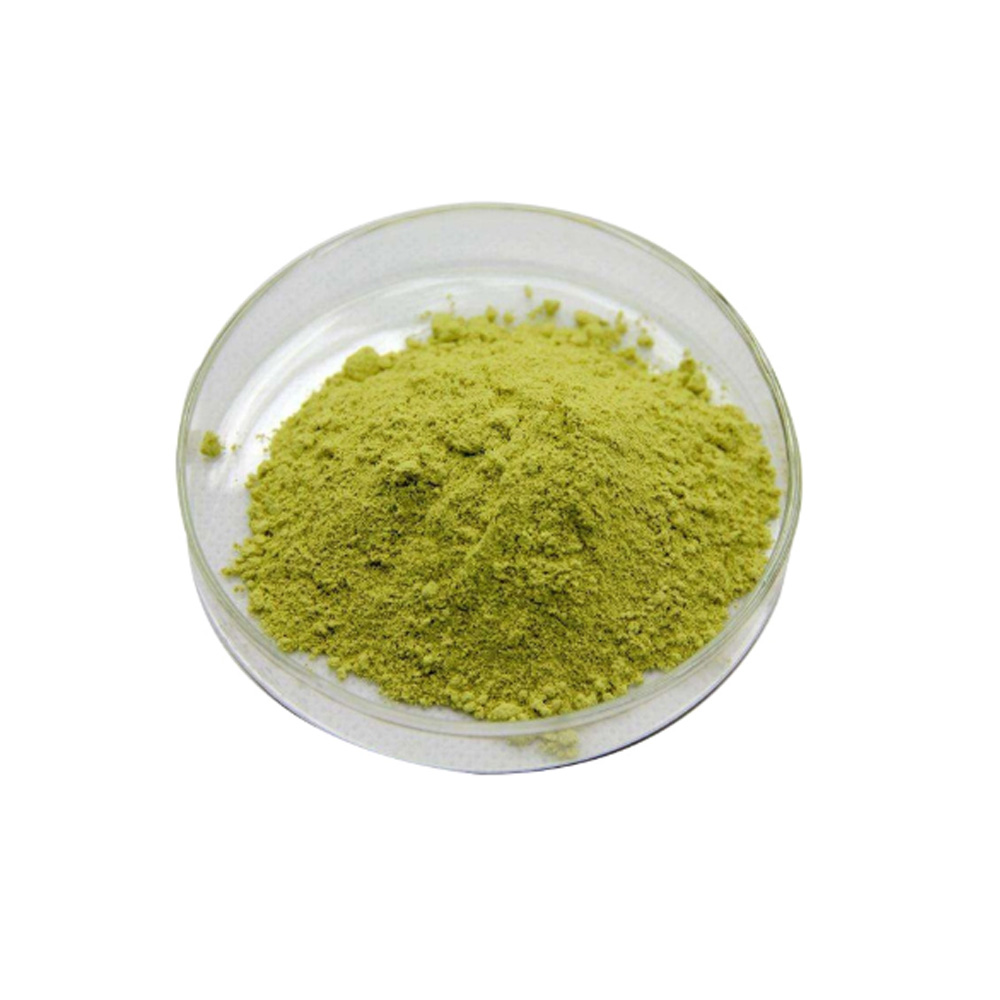
| form | powder |
| Colour Index | 75730 |
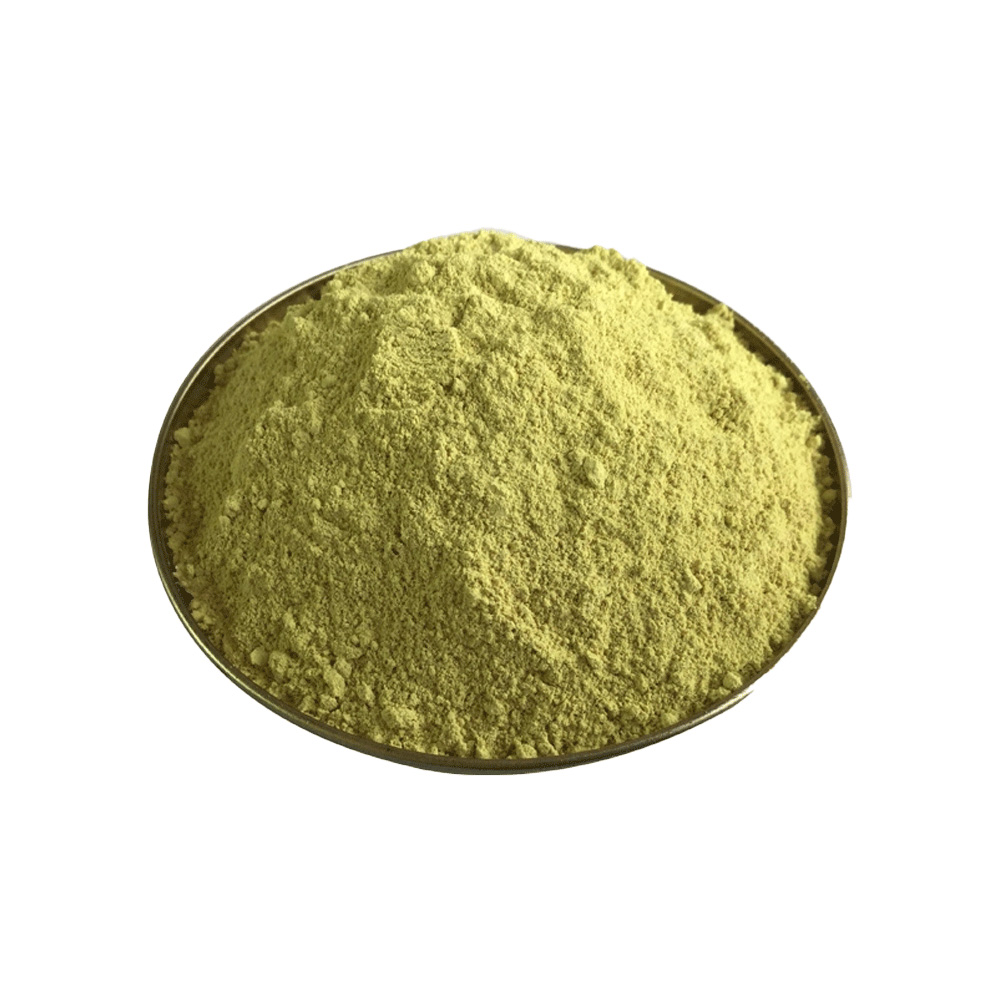
| color | yellow to green |
| Water Solubility | 12.5 g/100 mL |
| Merck | 8304 |
| Stability: | Hygroscopic |
| LogP | -2.020 (est) |
| CAS DataBase Reference | 153-18-4(CAS DataBase Reference) |
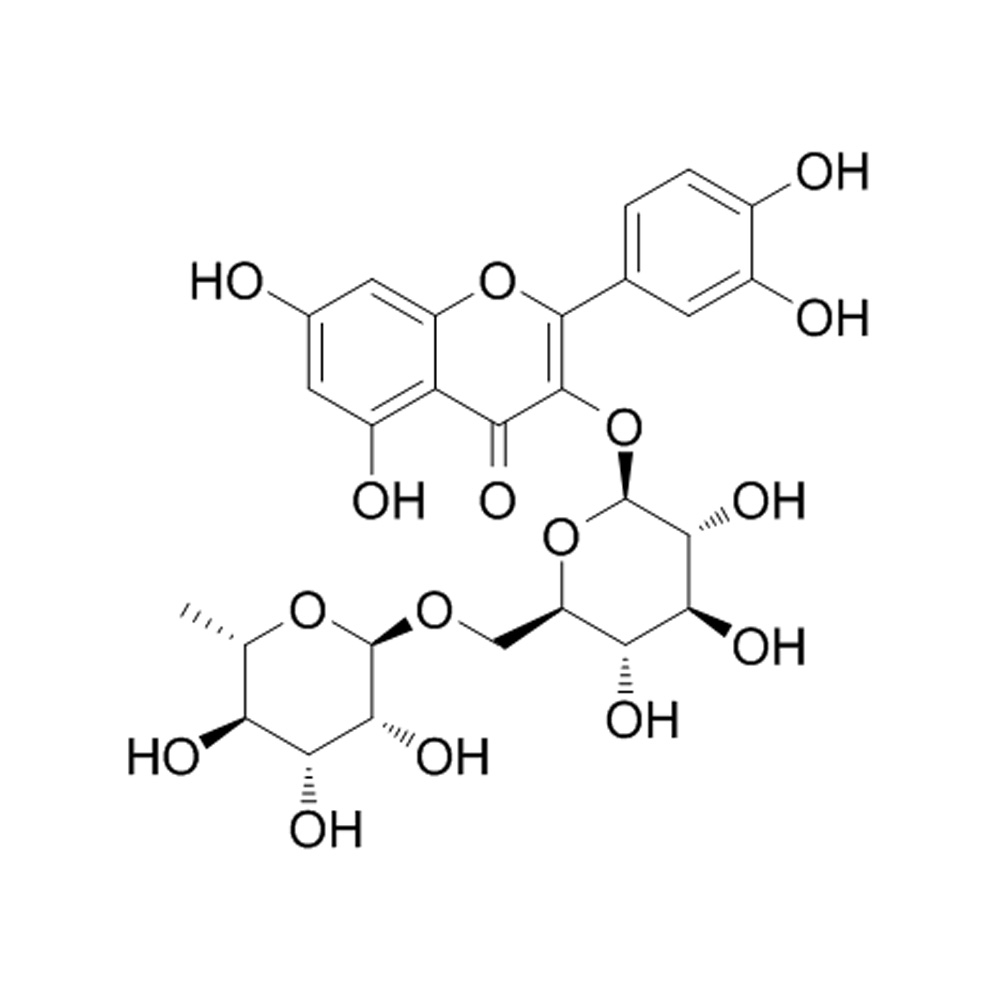
| NIST Chemistry Reference | Flavone-3-rutinoside, 3,3',4',5,7-pentahydroxy(153-18-4) |
| EPA Substance Registry System | Rutin (153-18-4) |
Safety Information
| Hazard Codes | Xn,Xi |
| Risk Statements | 22-36/37/38 |
| Safety Statements | 24/25-36-26 |
| WGK Germany | 3 |
| RTECS | VM2975000 |
| F | 8 |
| HS Code | 29381000 |
| Toxicity | LD50 i.v. in mice: 950 mg/kg (propylene glycol soln) (Harrison) |

Product Application of Rutin CAS#153-18-4
Rutin is known for its ability to tighten and reinforce skin capillaries, which may help prevent the development of couperose. It also exhibits antioxidant activity. Rutin is a naturally occurring flavonoid found in rue leaves, buckwheat, and various other plants.