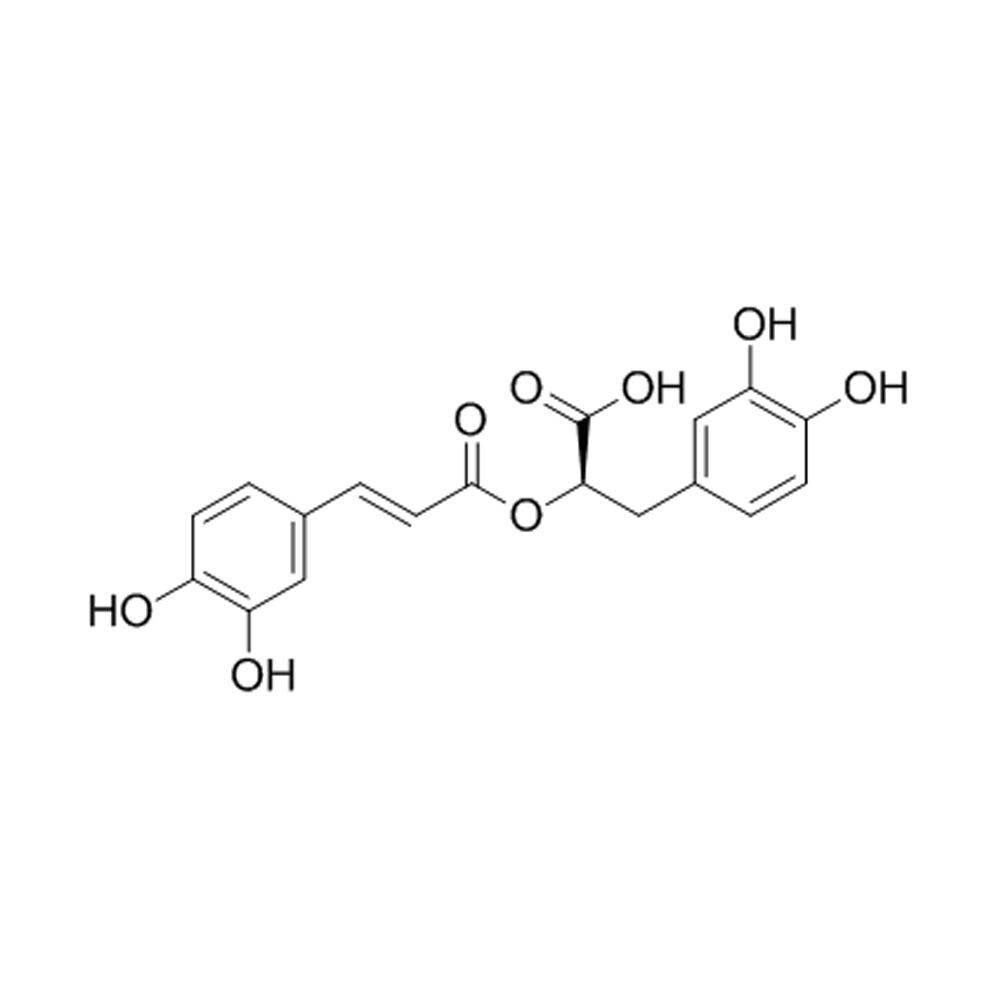
Rosmarinic acid CAS#20283-92-5
Powerful Natural Antioxidant – Rosmarinic acid exhibits stronger antioxidant activity than vitamin E, caffeic acid, chlorogenic acid, and folic acid, helping to prevent cell damage caused by free radicals.
Strong Anti-Inflammatory Activity – It effectively reduces inflammation, making it beneficial for various health applications.
Broad-Spectrum Biological Activities – Rosmarinic acid possesses antibacterial, antiviral, and antitumor properties, as well as the ability to inhibit acute and chronic infections.
Cosmetic and Health Benefits – It helps resist ultraviolet damage, inhibits elastin degradation, and shows significant potential in pharmaceutical, food, and cosmetic applications.
Product Description of Rosmarinic Acid CAS#20283-92-5
Rosmarinic acid is a water-soluble natural phenolic acid extracted from rosemary, a member of the Lamiaceae family. It is widely distributed across various plants, primarily in the Lamiaceae and Boraginaceae families, as well as in Cucurbitaceae, Tiliaceae, and Umbelliferae species, with the highest concentrations found in Lamiaceae and Boraginaceae plants.
As a potent natural antioxidant, rosmarinic acid demonstrates stronger activity than vitamin E, caffeic acid, chlorogenic acid, and folic acid. It helps prevent cellular damage caused by free radicals, thereby reducing the risk of cancer and arteriosclerosis. In addition, rosmarinic acid exhibits strong anti-inflammatory properties, along with antibacterial, antiviral, and antitumor activities. Its ability to inhibit both acute and chronic infections, protect against ultraviolet damage, and prevent elastin degradation has made it a valuable cosmetic additive.
Currently, rosmarinic acid shows significant application potential in the pharmaceutical, food, and cosmetic industries.
Parameters
| Melting point | 171-175 °C (lit.) |
| Alpha | +102~+110°(D/20℃)(c=0.2,C2H5OH) |
| Boiling point | 694.7±55.0 °C(Predicted) |
| Density | 1.33 |
| Storage temp | 2-8°C |
| Solubility | Soluble in ethanol, DMSO or dimethyl formamide to approximately 25 mg/mL. |
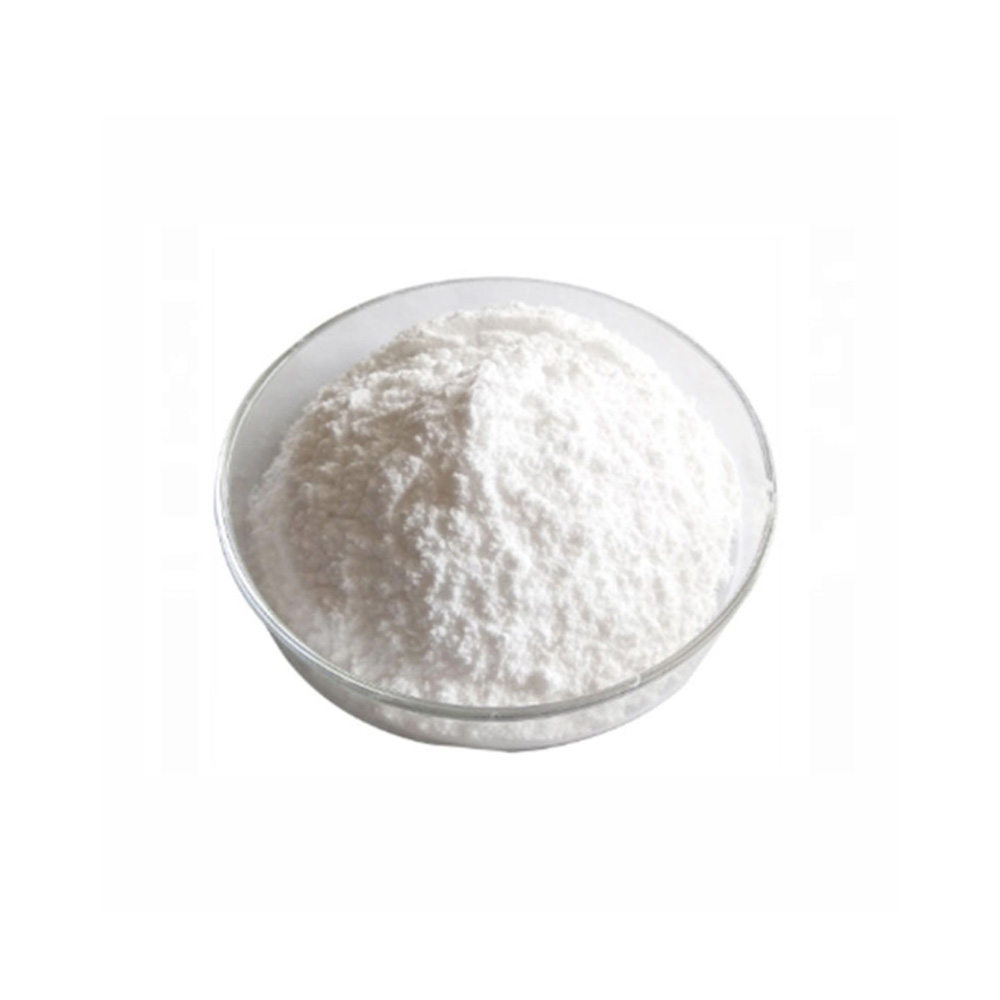
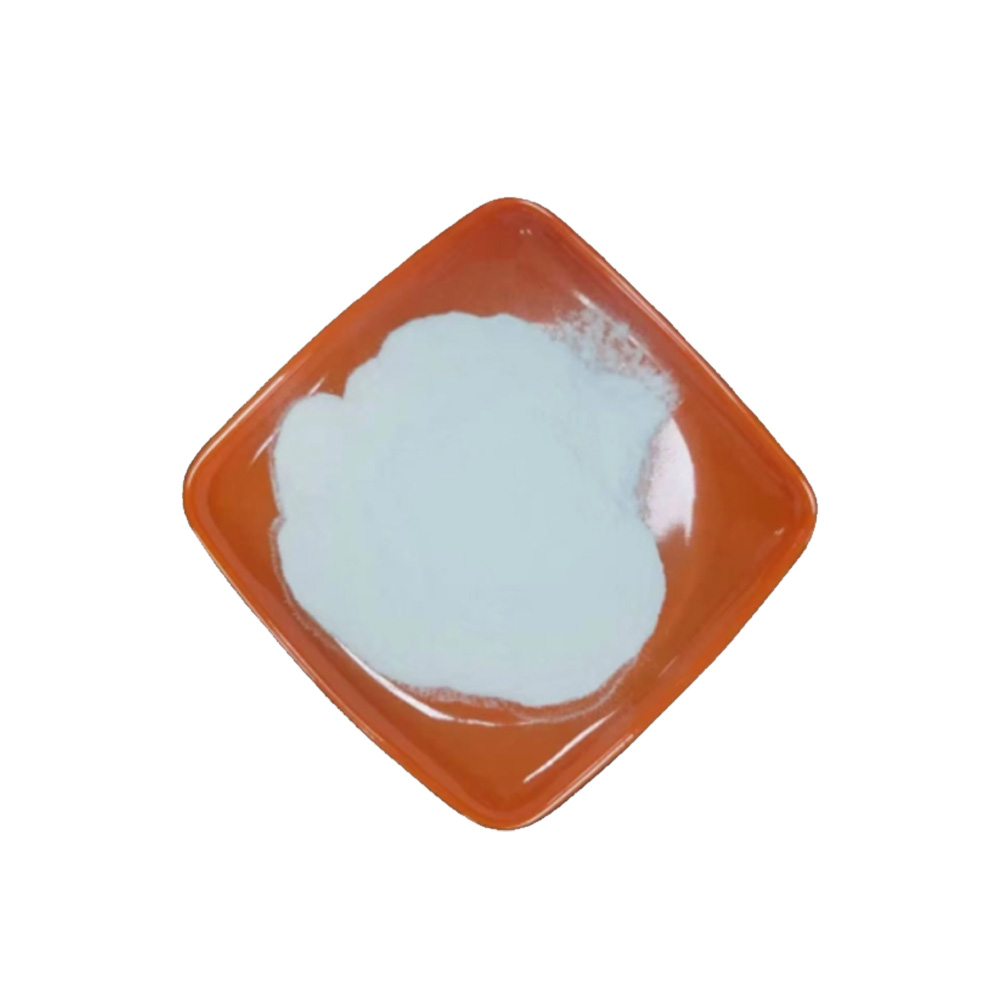
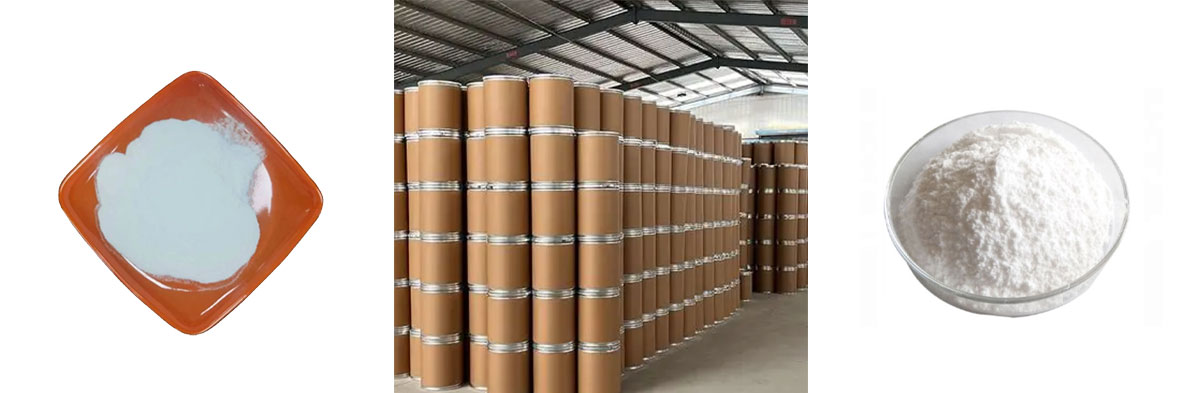
| Form | powder |
| Pka | 2.78±0.10(Predicted) |
| Color | white to faintly beige |
| Biological source | Rosemarinus officinalis L. |
| Water Solubility | H2O: 1mg/mL, clear, colorless |
| BRN | 2227587 |
| Stability | Stable for 1 year from date of purchase as supplied. Solutions in DMSO or distilled water may be stored at -20° for up to 1 month. |
| InChI | InChI=1/C18H16O8/c19-12-4-1-10(7-14(12)21)3-6-17(23)26-16(18(24)25)9-11-2-5-13(20)15(22)8-11/h1-8,16,19-22H,9H2,(H,24,25)/b6-3+/t16-/s3 |
| InChIKey | DOUMFZQKYFQNTF-WUTVXBCWSA-N |
| SMILES | C(C1C=CC(O)=C(O)C=1)[C@H](C(=O)O)OC(=O)/C=C/C1C=CC(O)=C(O)C=1 |&1:9,r| |
| LogP | 0.871 (est) |
| CAS DataBase Reference | 20283-92-5(CAS DataBase Reference) |
| Hazard Codes | T |
| Risk Statements | 25 |
| Safety Statements | 45 |
| WGK Germany | 3 |
| RTECS | GD8990000 |
| F | 45953 |
| HS Code | 29189900 |

Product Application of Rosmarinic Acid CAS#20283-92-5
Rosmarinic acid is commonly used for content determination, identification, and pharmacological studies. Its pharmacological activities include antioxidant, anti-aging, lipid-lowering, and weight management effects, as well as potential benefits in cardiovascular disease treatment and cancer prevention.
It is a bioactive plant-derived phenolic compound with notable antioxidant and anti-inflammatory properties.