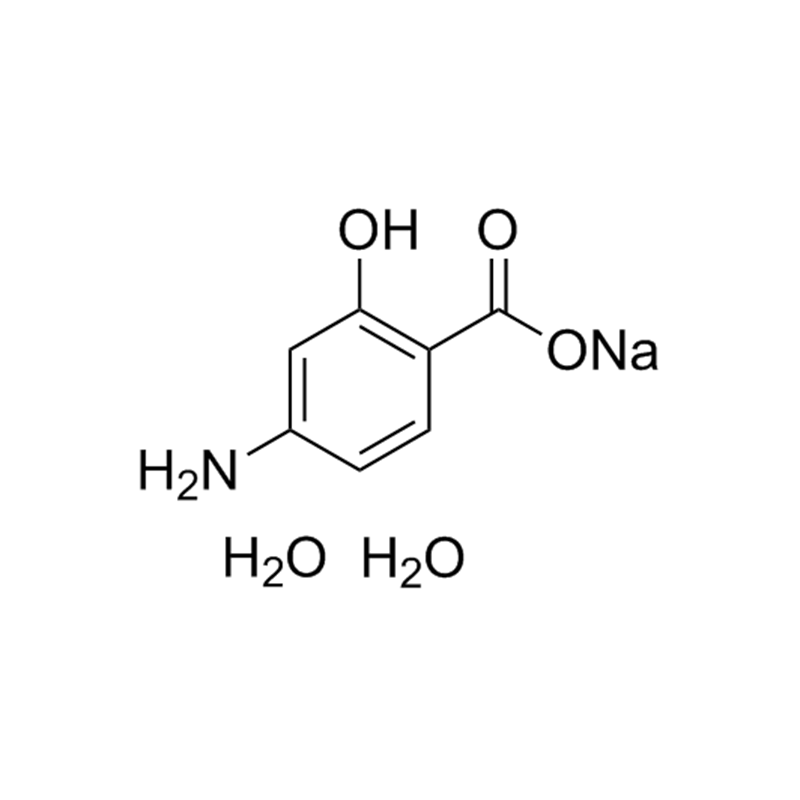

Sodium 4-aminosalicylate dihydrate CAS#6018-19-5
Effective Anti-Tuberculosis Agent – Sodium p-aminosalicylate is a commonly used drug for tuberculosis treatment, helping to inhibit the growth of Mycobacterium tuberculosis.
Good Solubility in Water – It is easily soluble in water, allowing for convenient preparation and administration.
Stable pH Range – A 2% aqueous solution has a pH of 6.5–8, providing a moderately stable environment for formulation.
Fresh Preparation Recommended – The solution can decarbonate to form m-aminophenol, so it is advised to prepare it freshly before use to maintain efficacy.
Products Description of Sodium 4-Aminosalicylate Dihydrate CAS#6018-19-5
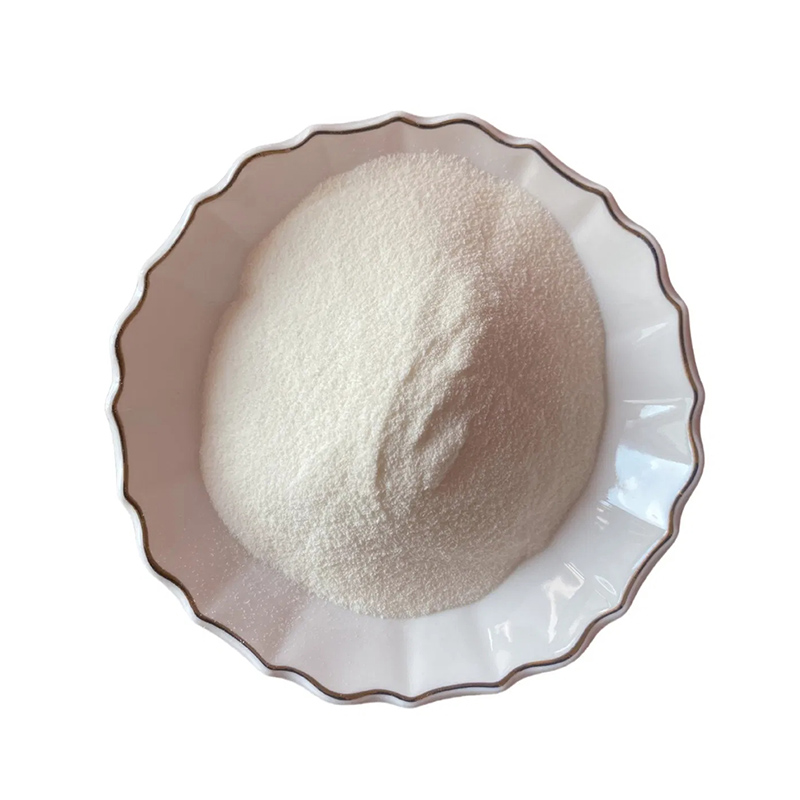
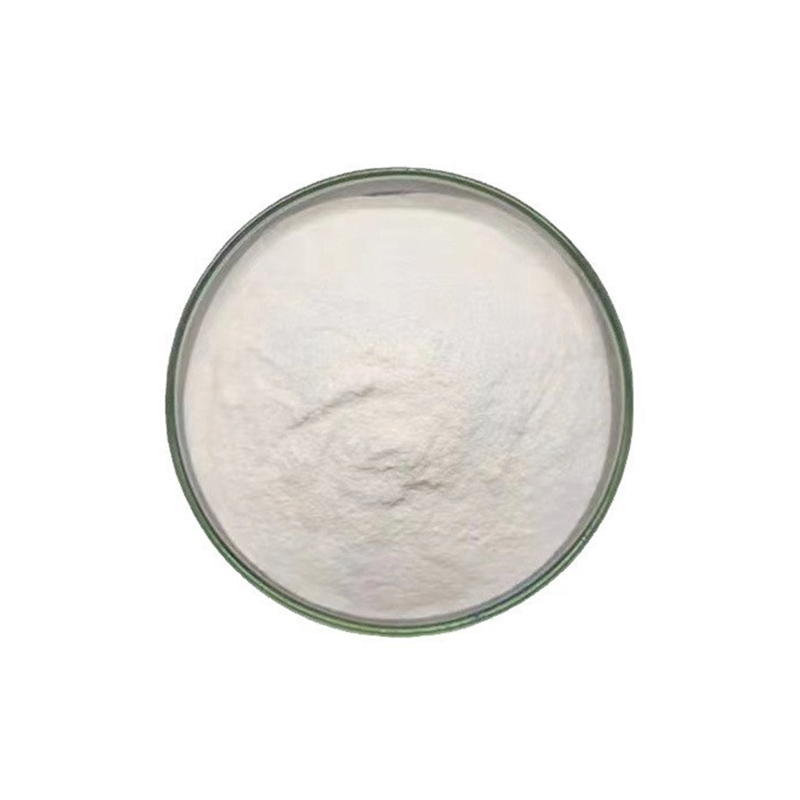
Sodium p-aminosalicylate, also known as sodium 4-amino-2-hydroxybenzoate dihydrate or PAS-Na, is a widely used anti-tuberculosis drug. It appears as a white to off-white crystalline powder that is odorless, with a slightly sweet and salty taste. The compound is easily soluble in water, slightly soluble in ethanol, sparingly soluble in acetone, and practically insoluble in ether, chloroform, and benzene. A 2% aqueous solution has a pH of 6.5–8. Since the solution can readily decarbonate to form m-aminophenol, it is recommended to prepare it freshly before use.
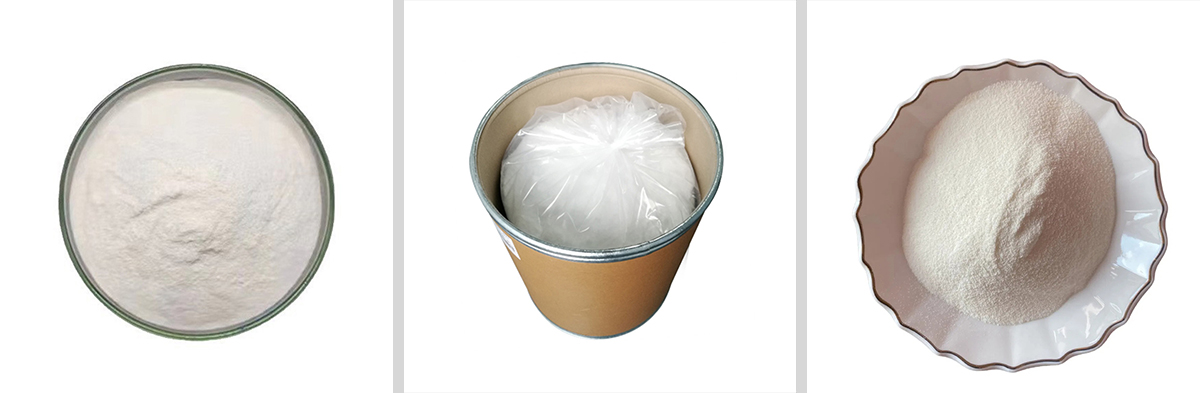
Parameters
| Melting point | 250 °C |
| RTECS | VO1700000 |
| storage temp. | 2-8°C |
| solubility | 956g/l |
| form | crystalline |
| color | white |
| PH | 6.5-8.5 (20g/l, H2O, 20℃) |
| Water Solubility | soluble |
| Sensitive | Air & Light Sensitive |
| CAS DataBase Reference | 6018-19-5(CAS DataBase Reference) |
| Hazard Codes | Xi |
| Risk Statements | 36/37/38 |
| Safety Statements | 26-36 |
| WGK Germany | 3 |
| TSCA | Yes |
| HS Code | 29225090 |

Product Application of Sodium 4-Aminosalicylate Dihydrate CAS#6018-19-5
Sodium 4-aminosalicylate is used for the treatment of pulmonary and extrapulmonary tuberculosis caused by Mycobacterium tuberculosis. It is specifically active against tuberculosis bacteria and has no effect on non-tuberculous mycobacteria. When used alone, resistance develops rapidly, so it must be combined with other anti-tuberculosis drugs. Combined with streptomycin and isoniazid, it helps delay the development of resistance to these drugs. Primarily, it serves as a second-line anti-tuberculosis agent.
Additionally, it can be used to manage hyperthyroidism, particularly in patients who also have tuberculosis. For cases where iodine treatment is ineffective and surgery is required, it can be administered short-term to prepare for surgical intervention. In severe cases, such as tuberculous meningitis, intravenous administration is recommended.