Global Butyl Acetate Market Enters Strategic Growth Phase: Rising Demand for Green Solvents and Asia-Pacific Production Lead Industry Transformation
Industry Overview: The Versatile Solvent Adapts to Sustainability Trends
Butyl acetate, a key ester solvent recognized for its characteristic fruity odor, is undergoing a major market transformation. Environmental regulations, evolving manufacturing practices, and sustainability demands are reshaping its applications. Widely valued for its moderate evaporation rate, strong solvency, and low toxicity, butyl acetate remains a critical component in coatings while meeting the global shift toward greener chemistry. With Asia-Pacific—especially China—consolidating its role as the dominant production hub, the industry faces both challenges from alternative solvent technologies and opportunities in high-value emerging sectors, prompting innovation in higher-purity grades and bio-based production methods.
1. Core Properties and Industrial Significance
Optimized Evaporation Profile: Medium evaporation rate supports uniform film formation in coatings, reducing defects like blushing or orange peel.
Broad Solvency Range: Effectively dissolves a variety of resins, including acrylics, polyurethanes, nitrocellulose, and vinyl copolymers.
Favorable Safety Profile: Lower toxicity (higher TLV) and less offensive odor compared to hydrocarbon solvents, improving workplace handling.
Hydrophobic and Regulatory Compliance: Low water solubility ensures moisture resistance in final products, and it generally meets VOC regulations while offering superior performance to many exempt solvents.
2. Market Dynamics: Asia-Pacific Leadership and Growth Trends
Market Size and Forecast: The global market reached approximately $2.8 billion in 2024, projected to grow to $3.0 billion in 2025 (CAGR 6.5%), and expected to approach $4.1 billion by 2030 due to expanding construction and manufacturing in developing regions.
Demand Segmentation: Coatings dominate at 68%, adhesives and printing inks 15%, pharmaceuticals, cosmetics, and food flavoring 12%, with industrial cleaning and other applications accounting for 5%.
Production and Trade Landscape: China leads globally, producing over 55% of total capacity. Exports surpassed 600,000 metric tons in 2024, primarily to Southeast Asia, the Middle East, and Europe. Domestic facilities now produce high-purity grades (≥99.7%) for electronics and pharmaceutical applications.
Pricing and Costs: FOB China prices range from $1,300–$1,700/ton, influenced by acetic acid and n-butanol feedstock costs. Specialty grades for high-end applications carry 20–35% premiums.
3. Technological Advancements: Energy Efficiency, Green Chemistry, and Purity
Reactive Distillation: Catalytic reactive distillation columns achieve >98% conversion while reducing energy consumption by ~25% versus batch processes.
Heterogeneous Acid Catalysts: Solid acid catalysts (e.g., sulfonated zirconia, acidic resins) replace sulfuric acid, eliminating neutralization steps, cutting wastewater by ~40%, and enabling continuous production.
Advanced Purification: Molecular sieve adsorption and precision distillation remove trace water, acids, and alcohols, yielding electronics-grade products with water <200 ppm and acid value <0.01 mg KOH/g.
Bio-based Production: Pilot-scale processes using fermentation-derived n-butanol achieve commercial viability, with bio-based butyl acetate representing ~3% of the specialty market.
4. Application Expansion: Core Markets and New Opportunities
Architectural and Industrial Coatings: Remains the primary solvent for wood, automotive, plastic, and maintenance coatings.
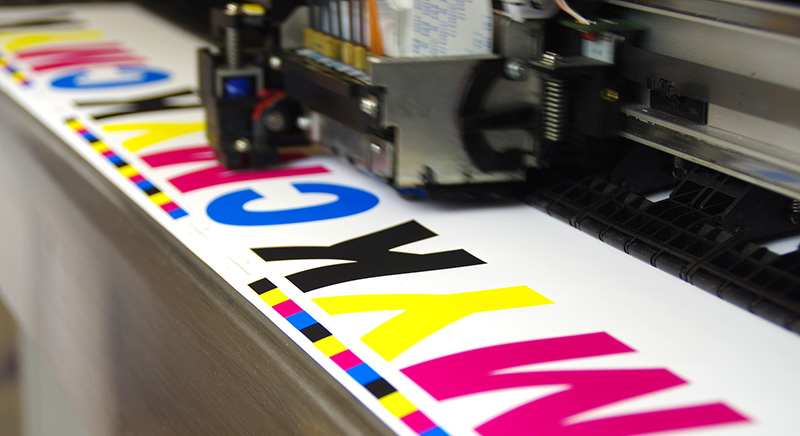
Printing Inks: Essential for flexographic and gravure inks, especially in fast-drying, low-odor packaging applications.
Adhesives: Optimizes open time, viscosity, and performance in laminating, pressure-sensitive, and contact adhesives.
Electronics and Pharmaceuticals: High-purity grades serve in photoresist thinners, display panel cleaning, pharmaceutical extraction, and flavor/fragrance applications.
Emerging Niche Markets: Increasing interest as a component in battery electrolyte formulations for next-generation energy storage.