Global Calcium Hypochlorite Market Poised for Strategic Growth: Public Health and Aquaculture Drive Demand, China Ensures Supply Chain Dominance
Industry Overview: From Basic Disinfectant to Strategic Public Health Material
Calcium hypochlorite, a cost-effective and efficient traditional disinfectant, is rapidly evolving from a bulk chemical commodity into a critical strategic material. This transformation is driven by heightened global public health awareness and the expansion of the aquaculture sector. Rising demands for pandemic preparedness, safe drinking water, and disease control in intensive farming have accelerated its adoption. Its advantages—high available chlorine content, long-term storage stability, and broad-spectrum sterilization—have made calcium hypochlorite an indispensable solution. With China maintaining leadership in large-scale, safe production and environmentally friendly processes, the industry is entering a phase of specialization, focusing on high stability, low impurities, and application-specific formulations.
1. Core Properties and Market Irreplaceability
High-Efficacy Disinfection: Upon contact with water, calcium hypochlorite releases hypochlorous acid and active chlorine, rapidly eliminating bacteria, viruses, fungi, and algae.
Storage and Transport Stability: Unlike liquid sodium hypochlorite, solid calcium hypochlorite maintains chlorine availability for extended periods, allowing for safe long-distance transport and strategic reserves.
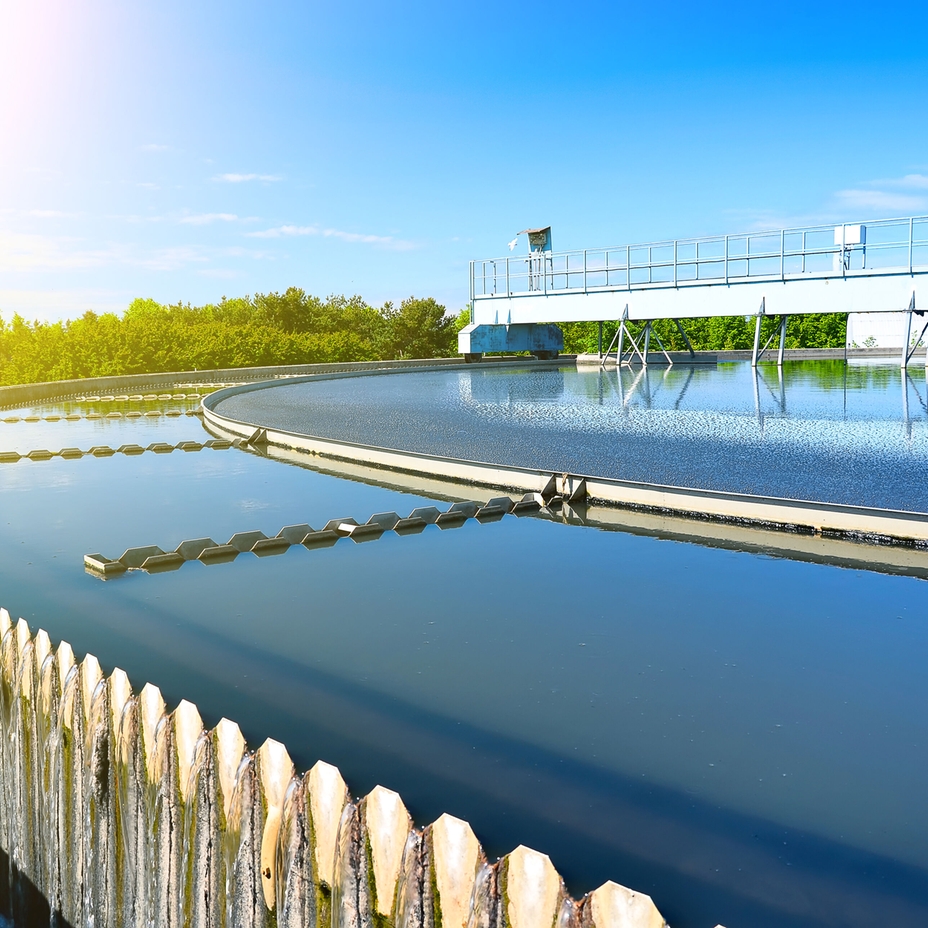
Versatile Applications: It is widely used in municipal water treatment, swimming pools, aquaculture pond preparation, disease prevention in high-density farming, industrial bleaching, and post-disaster sanitation.
Cost Efficiency: Calcium hypochlorite delivers high disinfection performance at a lower lifecycle cost compared to many new disinfectants, making it economically irreplaceable for large-scale operations.
2. Market Dynamics: Growth Drivers and Chinese Supply Dominance
Market Size and Forecast: The global market is projected to reach $1.8 billion in 2024, growing at a CAGR of over 6%, and surpass $2.5 billion by 2030.
Demand Segmentation: Traditional municipal water treatment accounts for ~40%, aquaculture 35% (rapidly growing due to pond, equipment, and facility disinfection), public and household sanitation 15%, and industrial uses 10%.
Chinese Production Leadership: China produces over 70% of global calcium hypochlorite, with exports expected to exceed 800,000 tons in 2024. Leading domestic producers consistently deliver high-quality products (≥65% available chlorine) to major markets in Southeast Asia, South America, and Africa.
Pricing and Cost Considerations: Prices are driven by raw materials (limestone, liquid chlorine), energy, and compliance costs. Standard products range from $800–$1,200/ton, while high-stability, low-residue, or aquaculture-specific grades may carry a 10–20% premium.3. Technological Innovations: Safety, Environmental Compliance, and Product Refinement
Continuous and Enclosed Production: Advanced tower chlorination allows automated, enclosed operations, reducing chlorine leakage and energy use.
Enhanced Drying and Anti-Caking: Fluidized bed drying and anti-caking agents improve flowability and accuracy in dosing.
Slow-Release and Formulation Technologies: Tablets or compound products with water conditioners enhance convenience and disinfection effectiveness in aquaculture.
By-Product Utilization: Chlorine-containing tail gases are captured and converted into usable by-products like sodium hypochlorite, supporting environmental sustainability.
4. Expanding Applications: Routine to Specialized Solutions
Public Health and Emergency Reserves: Key disinfectant for national/local reserves, epidemic prevention, disaster areas, and refugee settlements.
Aquaculture: Effective in pond preparation, water disinfection, and equipment sanitation to prevent disease outbreaks.
Drinking Water Safety: Used in small-to-medium water plants and rural water supply systems, as well as field or emergency water treatment.
Emerging Markets: Disinfection in cold chain logistics, organic synthesis, and specialized industrial applications.

5. Future Outlook: Safety, Compliance, and Supply Chain Resilience
Growth Drivers: Increased global biosafety focus, expanding aquaculture, and the need for reliable supply chains strengthen demand.
Challenges: Compliance with strict safety regulations, competition from alternative disinfectants (chlorine dioxide, peracetic acid), and environmental concerns require precise usage protocols.
Strategic Implications: China’s production and export capacity position it as the most reliable global supplier for both routine and emergency applications.
- Previous : Isobutyl Methacrylate Industry Enters a New Phase of Innovation: Rising Demand for Specialty Monomers Accelerates Supply Chain Transformation and Green Technologies Redefine the High-End Market
- Next : Global Butyl Acetate Market Enters Strategic Growth Phase: Rising Demand for Green Solvents and Asia-Pacific Production Lead Industry Transformation