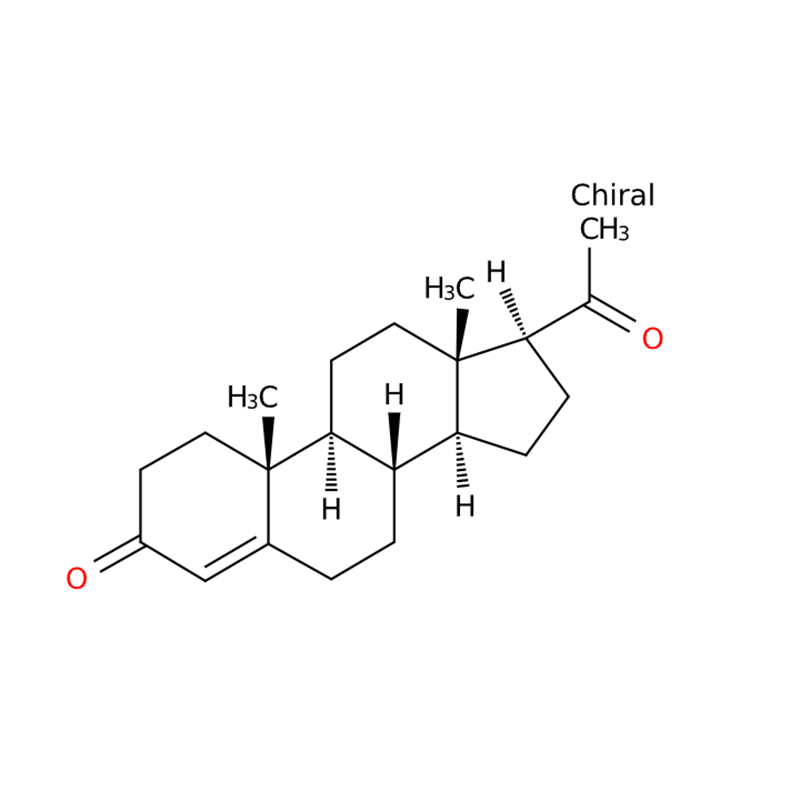

Progesterone CAS#57-83-0
Natural Endogenous Progestogen Hormone – Progesterone is the body’s primary naturally occurring progestogen, secreted by the ovarian luteal cells, ensuring excellent biological relevance and compatibility.
Key Steroid Hormone Intermediate – It serves as an important intermediate for the synthesis of all steroid hormones, making it highly valuable in pharmaceutical and hormone-related applications.
Dual Crystal Forms with Identical Activity – Available in both α-type and β-type crystal forms, both providing the same physiological activity for flexible formulation use.
Excellent Solvent Compatibility – Although insoluble in water, progesterone is readily soluble in ethanol, ether, chloroform, acetone, dioxane, and concentrated sulfuric acid, supporting diverse processing and formulation requirements.
Products Description of Progesterone CAS#57-83-0
Progesterone (P4), also known as pregn-4-ene-3,20-dione, is an endogenous steroid hormone and one of the primary progestogens in the body. It is mainly secreted by the female ovaries and serves as the principal natural progestogen. As a 21-carbon steroid hormone produced by ovarian luteal cells, progesterone is also an important intermediate in the synthesis of all steroid hormones.
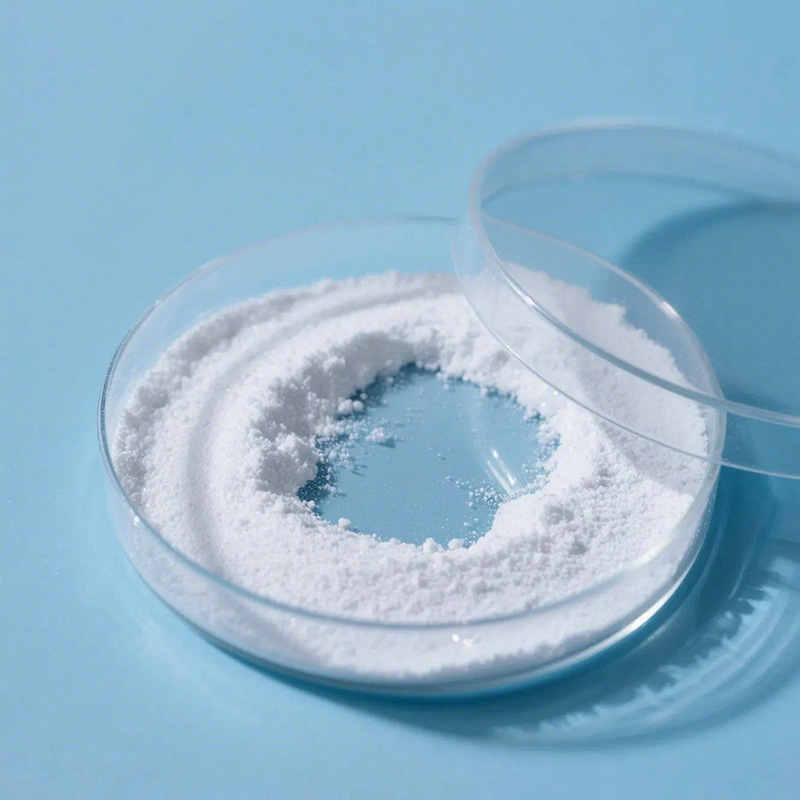
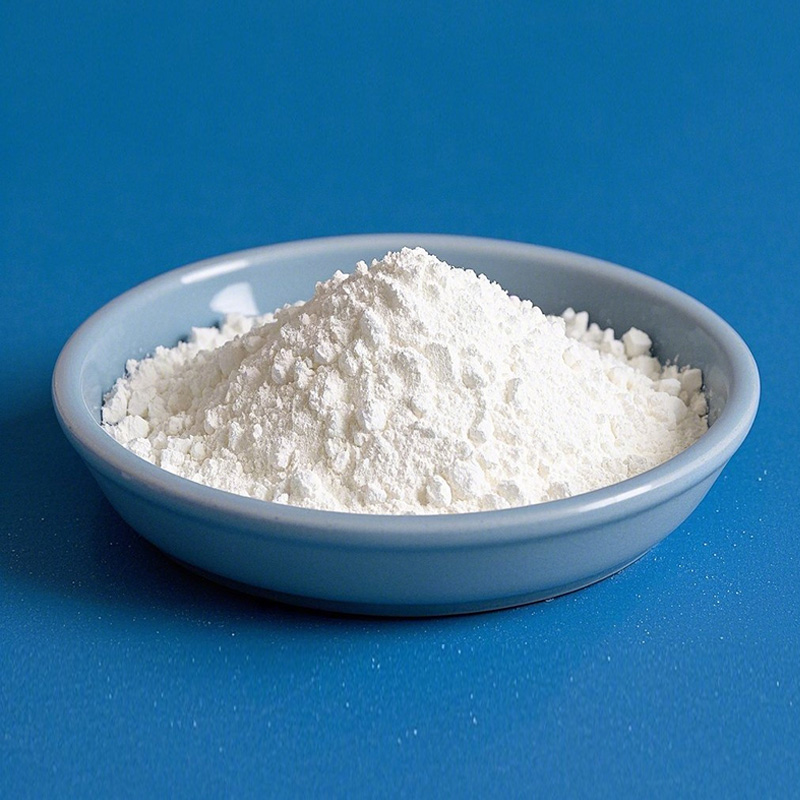
This product exists in two crystal forms, α-type and β-type, both of which exhibit the same physiological activity. The α-type is obtained from dilute ethanol as orthorhombic white prismatic crystals, while the β-type appears as orthorhombic white needle crystals. Both forms are insoluble in water but are soluble in ethanol, ether, chloroform, acetone, dioxane, and concentrated sulfuric acid.
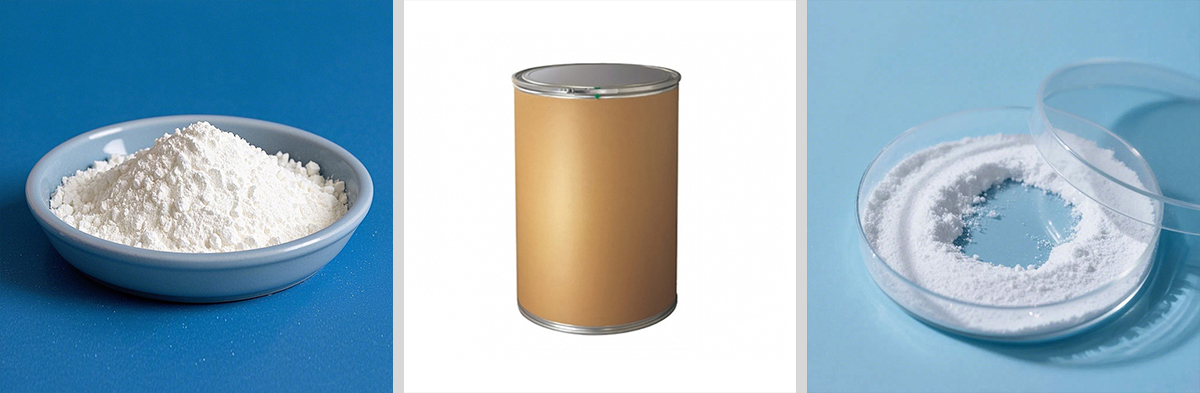
Parameters
| Melting point | 128-132 °C (lit.) |
| alpha | 186 º (c=1, ethanol) |
| Boiling point | 394.13°C (rough estimate) |
| density | d23 1.166; d20 1.171 |
| refractive index | 182 ° (C=2, Dioxane) |
| Fp | 2℃ |
| storage temp. | room temp |
| solubility | H2O: 25 mg/mL, may be clear to slightly hazy |
| form | powder |
| color | Yellow to yellow-brown |
| biological source | synthetic (organic) |
| Water Solubility | <0.1 g/100 mL at 19 ºC |
| Merck | 7773 |
| BRN | 1915950 |
| BCS Class | 4 |
| Stability: | Stable. Incompatible with strong oxidizing agents. |
| InChIKey | RJKFOVLPORLFTN-LEKSSAKUSA-N |
| LogP | 3.87 |
| CAS DataBase Reference | 57-83-0(CAS DataBase Reference) |
| NIST Chemistry Reference | Progesterone(57-83-0) |
| EPA Substance Registry System | Progesterone (57-83-0) |
Safety Information
| Hazard Codes | Xn,T,F |
| Risk Statements | 40-45-62-36-20/21/22-11 |
| Safety Statements | 36/37-45-53-16 |
| RIDADR | UN 1648 3 / PGII |
| WGK Germany | 3 |
| RTECS | TW0175000 |
| HS Code | 29372390 |
| Hazardous Substances Data | 57-83-0(Hazardous Substances Data) |
| Toxicity | LD50 intraperitoneal in rat: 327mg/kg |

Product Application of Progesterone CAS#57-83-0
Progesterone plays a crucial role in the morphological changes of the endometrium stimulated by estrogen, and it is essential for the maintenance of pregnancy. In the latter phase of the menstrual cycle, it works alongside estrogen to promote the development and proliferation of the endometrium, transitioning it from the proliferative phase to the secretory phase, thereby preparing it for embryo implantation and development. During menstruation, progesterone causes the shedding of the endometrial lining.
In pregnancy, progesterone inhibits uterine contractions and reduces sensitivity to oxytocin, exhibiting a tocolytic effect. It also works with estrogen to promote further breast development in preparation for lactation. When administered in high doses, progesterone can inhibit the secretion of luteinizing hormone from the anterior pituitary through feedback regulation of the hypothalamus-pituitary-ovarian axis, thus preventing ovulation and acting as a contraceptive.
Progesterone is used to manage conditions such as habitual abortion, threatened abortion, functional uterine bleeding, metrorrhagia, dysmenorrhea, endometriosis, amenorrhea, ureteral stones, benign prostatic hyperplasia, sleep apnea syndrome, and intractable ascites in liver cirrhosis.