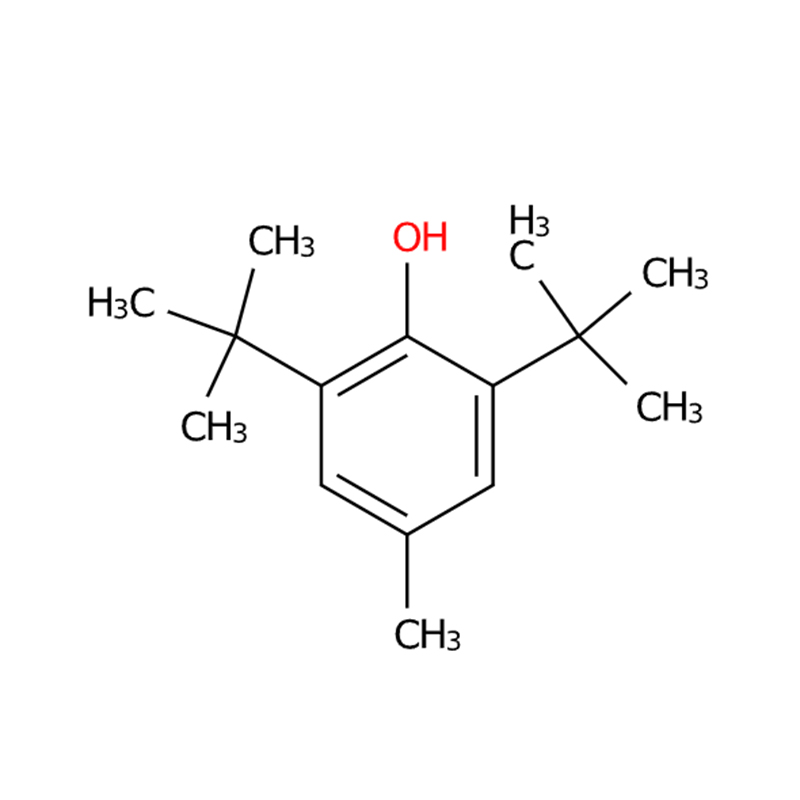
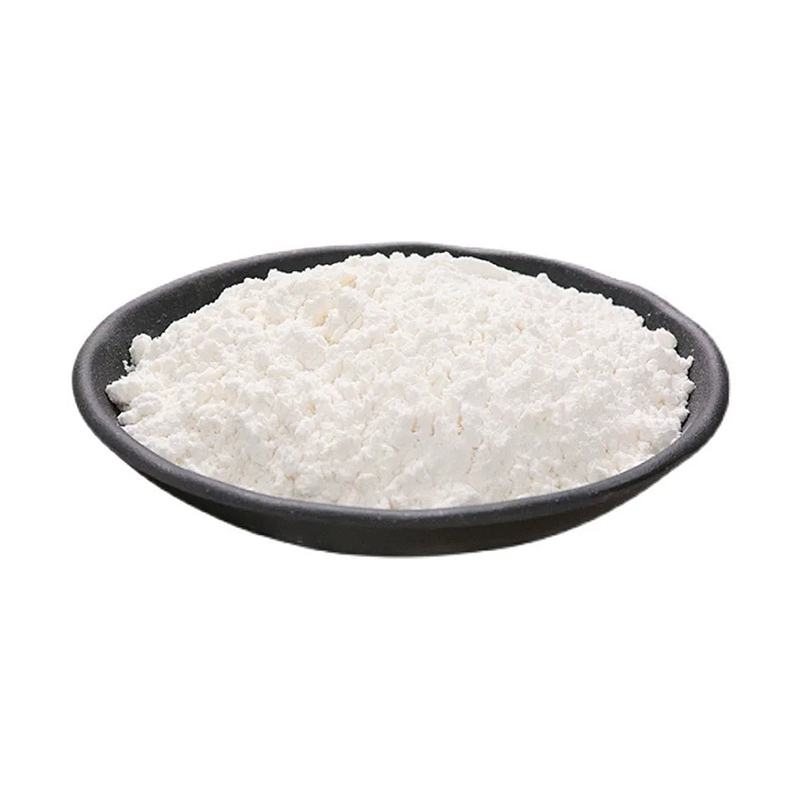
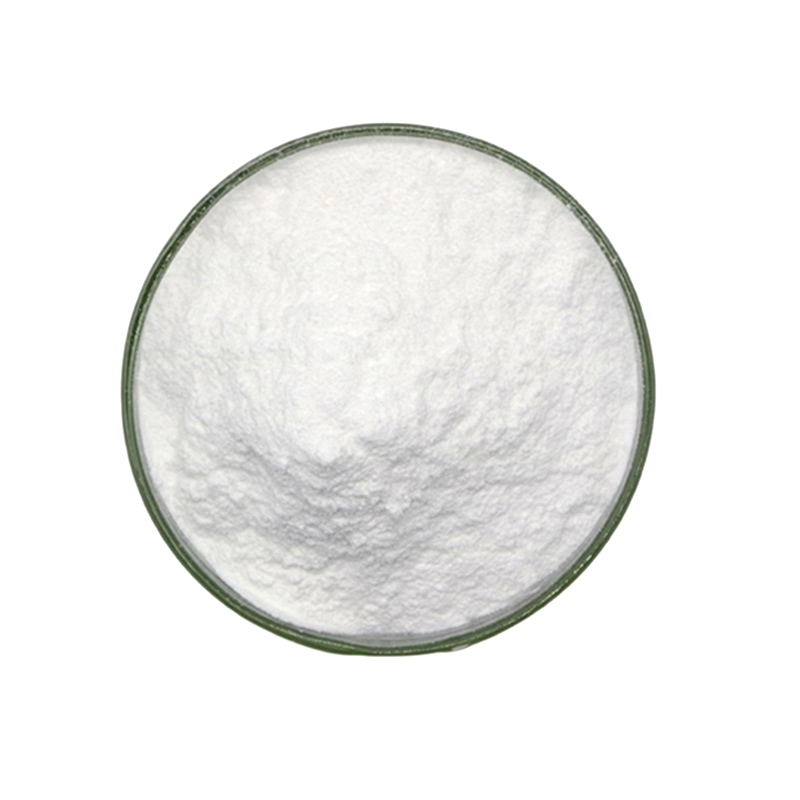


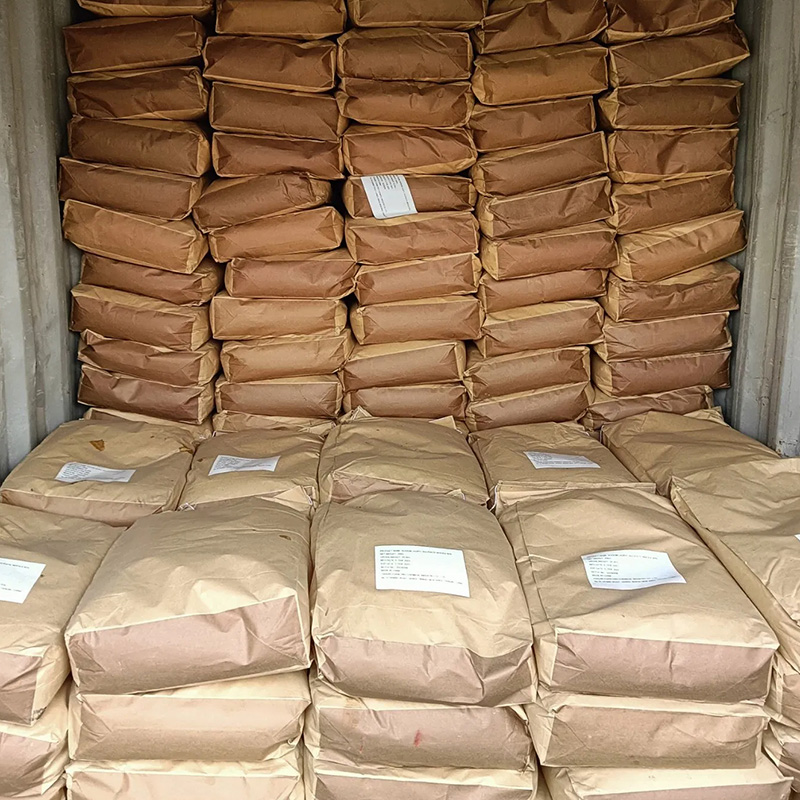
BylaedydrylueneCAS#128-37-0
High Purity and Consistent Quality: BHT features an industrial-grade purity of ≥99%, ensuring reliable and consistent performance in various applications.
Good Thermal Stability: With a melting point of 69–71°C and a high boiling point of 265°C, it maintains stability under elevated temperatures.
Excellent Solubility in Organic Solvents: It is soluble in ethanol, ether, benzene, and most organic solvents, allowing flexibility in formulation and processing.
Stable Chemical Properties: The compound is chemically stable under normal conditions, supporting safe storage and long-term use.
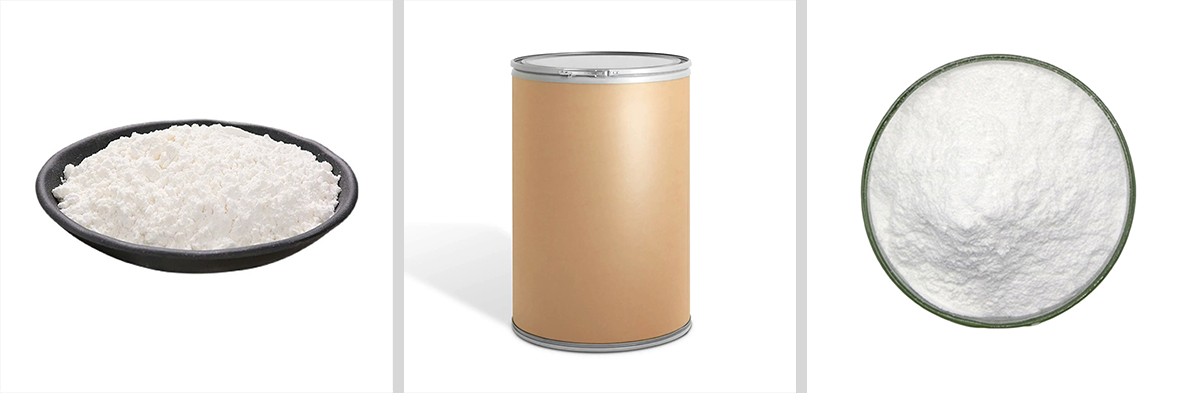
Parameters
| Melting point | 69-73 °C(lit.) |
| Boiling point | 265 °C(lit.) |
| density | 1.048 |
| bulk density | 450kg/m3 |
| vapor density | 7.6 (vs air) |
| vapor pressure | <0.01 mm Hg ( 20 °C) |
| refractive index | 1.4859 |
| FEMA | 2184 | BUTYLATED HYDROXYTOLUENE |
| Fp | 127 °C |
| storage temp. | 2-8°C |
| solubility | methanol: 0.1 g/mL, clear, colorless |
| form | Crystals |
| pka | pKa 14(H2O t = 25 c = 0.002 to 0.01) (Uncertain) |
| color | white |
| Odor | faint characteristic odor |
| biological source | synthetic |
| Odor Type | phenolic |
| Water Solubility | insoluble |
| Merck | 141548 |
| BRN | 1911640 |
| Exposure limits | ACGIH: TWA 2 mg/m3 |
| NIOSH: TWA 10 mg/m3 | |
| Stability: | Stable, but light-sensitive. Incompatible with acid chlorides, acid anhydrides, brass, copper, copper alloys, steel, bases, oxidizing agents. Combustible. |
| Cosmetics Ingredients Functions | ANTIOXIDANT |
| FRAGRANCE | |
| InChIKey | NLZUEZXRPGMBCV-UHFFFAOYSA-N |
| LogP | 5.2 |
| CAS DataBase Reference | 128-37-0(CAS DataBase Reference) |
| NIST Chemistry Reference | Butylated hydroxytoluene(128-37-0) |
| IARC | 3 (Vol. 40, Sup 7) 1987 |
| EPA Substance Registry System | 2,6-Di-tert-butyl-p-cresol (128-37-0) |
Safety Information
| Hazard Codes | Xn,N |
| Risk Statements | 22-36/37/38-36/38-50/53 |
| Safety Statements | 26-36-37/39-61-60 |
| RIDADR | 3077 |
| OEB | B |
| OEL | TWA: 10 mg/m3 |
| WGK Germany | 1 |
| RTECS | GO7875000 |
| F | 39744 |
| Autoignition Temperature | 878 °F |
| TSCA | Yes |
| HazardClass | 9 |
| PackingGroup | III |
| HS Code | 29071900 |
| Hazardous Substances Data | 128-37-0(Hazardous Substances Data) |
| Toxicity | LD50 orally in mice: 1040 mg/kg (McOmie) |

Product Application of Carboxymethyl Cellulose CAS#128-37-0
Butylated hydroxytoluene (BHT) has a wide range of applications, including use in flavors and fragrances, biochemical reagents, chemical and organic raw materials, antioxidants, food additives, feed additives, and feed preservation, as well as in aromatic hydrocarbons and bulk pharmaceuticals. As a phenolic antioxidant, BHT effectively inhibits lipid peroxidation and exhibits electrophilic quinone methide toxicity through oxidative metabolism. Its metabolite, 6-tert-butyl-2-[2′-(2′-hydroxymethyl)-propyl]-4-methylphenol, has been reported to cause lung damage in mice and may promote tumor development.