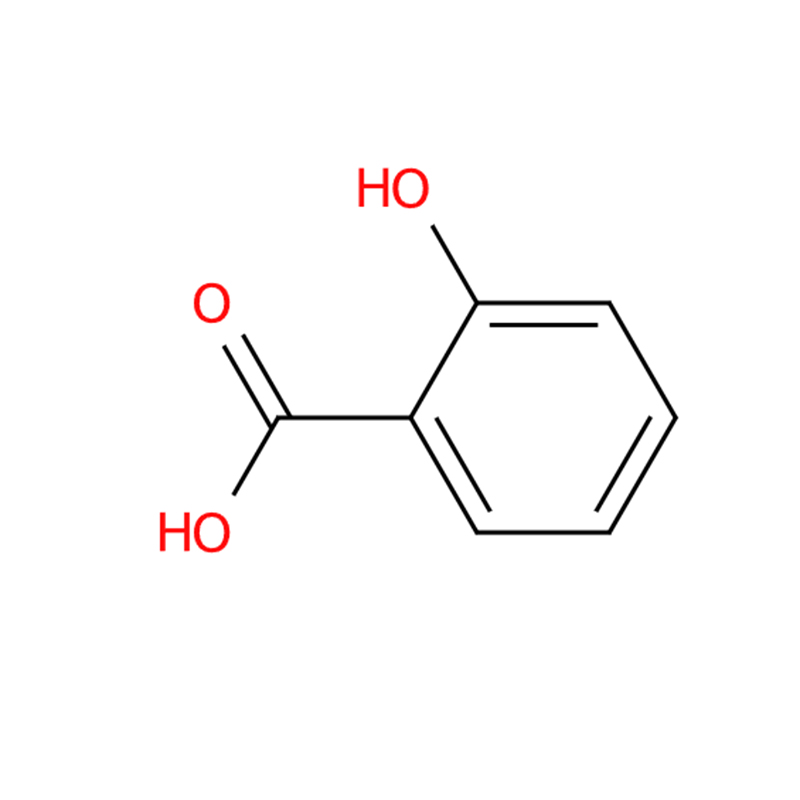

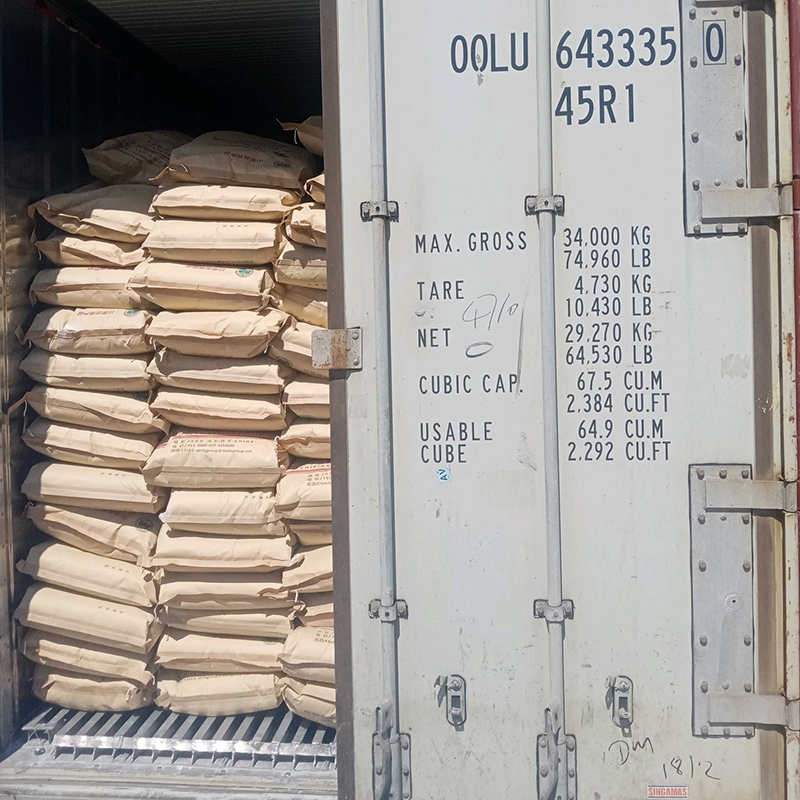
Salicylic acid CAS#69-72-7
Versatile Industrial Applications: Salicylic acid is widely utilized across multiple industries, including pharmaceuticals, agrochemicals, dyes, rubber, food additives, and fragrances, demonstrating exceptional versatility.
Essential Pharmaceutical Intermediate: It serves as a key raw material for the production of important pharmaceutical compounds such as aspirin, sodium salicylate, methyl salicylate, phenyl salicylate, and salicylamide.
Valuable Chemical Synthesis Building Block: Salicylic acid is an important intermediate in the manufacture of pesticides, dyes, and specialty chemicals, supporting the synthesis of a broad range of high-value products.
Functional Performance Enhancer: In addition to its role in synthesis, it is used in rubber processing as an anti-scorching agent and UV absorber, while also serving as a fragrance ingredient and flavoring component in oral care products.
Salicylic Acid CAS#69-72-7
Salicylic acid is an important organic synthesis raw material with extensive applications in the pharmaceutical, pesticide, dye, rubber, food, and fragrance industries.
In the pharmaceutical sector, salicylic acid is widely used in the production of sodium salicylate, methyl salicylate (wintergreen oil), aspirin (acetylsalicylic acid), salicylamide, and phenyl salicylate. In the dye industry, it serves as an intermediate for the manufacture of various dyes, including Mordant Pure Yellow, Direct Yellow 3GN, Direct Yellow GR, Direct Brown 3GN, Acid Mordant Brown G, Acid Mordant Yellow GG, and acid yellow dye complexes.
In agrochemical applications, salicylic acid is utilized in the synthesis of organophosphorus pesticides such as Isocarbophos, as well as intermediates including isopropyl salicylate, Isofenphos-methyl, Warfarin, and 4-Hydroxycoumarin used in rodenticide production. In the rubber industry, it functions as an anti-scorching agent and is also employed in the manufacture of UV absorbers and foaming agents.
Salicylic acid is an important fragrance ingredient and can be used to produce methyl salicylate and ethyl salicylate. Its sodium salt has also been used as a food preservative, although its use in food applications has been restricted in some countries. Methyl salicylate is commonly used as a flavoring ingredient in oral care products such as toothpaste.
Salicylic acid possesses antibacterial and antiseptic properties. A 2.5% alcohol solution, commonly known as salicylic spirit, is used topically for the treatment of fungal skin infections such as tinea manus and tinea pedis, and it can also be formulated into ointments. Sodium salicylate may be used in preservatives, toothpaste, and mouthwash formulations.
In addition, salicylic acid exhibits antipyretic and analgesic properties and has been used in the treatment of rheumatic conditions. Its ester derivatives are widely applied in pharmaceutical and fragrance formulations. Methyl salicylate, known for its pleasant wintergreen aroma, is commonly used in perfumes and soap fragrances. When applied to the skin, it can penetrate tissues and gradually release salicylic acid, providing localized pain relief for conditions such as bruises, sprains, and muscular discomfort.
Other salicylate esters also have commercial value. Isoamyl salicylate features an orchid-like fragrance, while benzyl salicylate has a mild ester aroma; both are widely used in perfume and soap manufacturing. Phenyl salicylate, commonly known as Salo, is hydrolyzed in the intestine into phenol and salicylic acid and has been used as an effective intestinal antiseptic.
A related pharmaceutical compound, para-aminosalicylic acid (PAS), along with its sodium and calcium salts, has been used as an anti-tuberculosis medication for the treatment of acute exudative pulmonary tuberculosis and mucosal tuberculosis. Due to its relatively weak antimicrobial activity, it is often administered in combination with streptomycin and isoniazid to improve therapeutic efficacy.
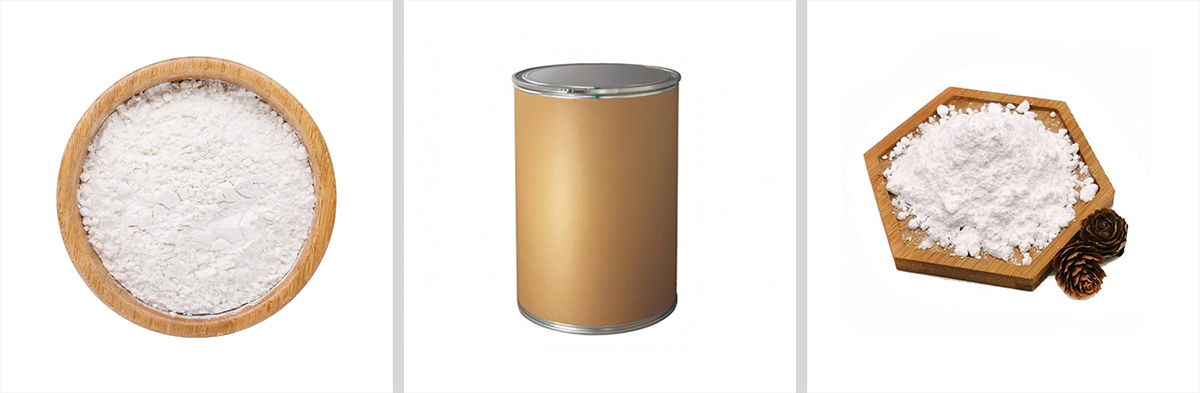
Salicylic acid Chemical Properties
| Melting point | 158-161 °C(lit.) |
| Boiling point | 211 °C(lit.) |
| bulk density | 400-500kg/m3 |
| density | 1.44 |
| vapor density | 4.8 (vs air) |
| vapor pressure | 1 mm Hg ( 114 °C) |
| refractive index | 1565 |
| FEMA | 3985 | 2-HYDROXYBENZOIC ACID |
| Fp | 157 °C |
| storage temp. | 2-8°C |
| solubility | ethanol: 1 M at 20 °C, clear, colorless |
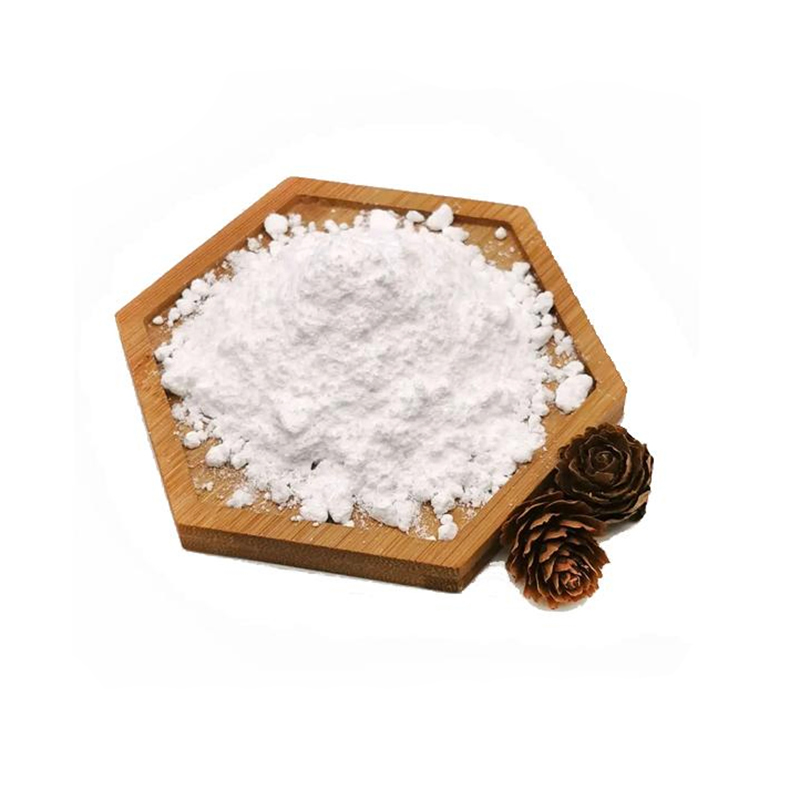
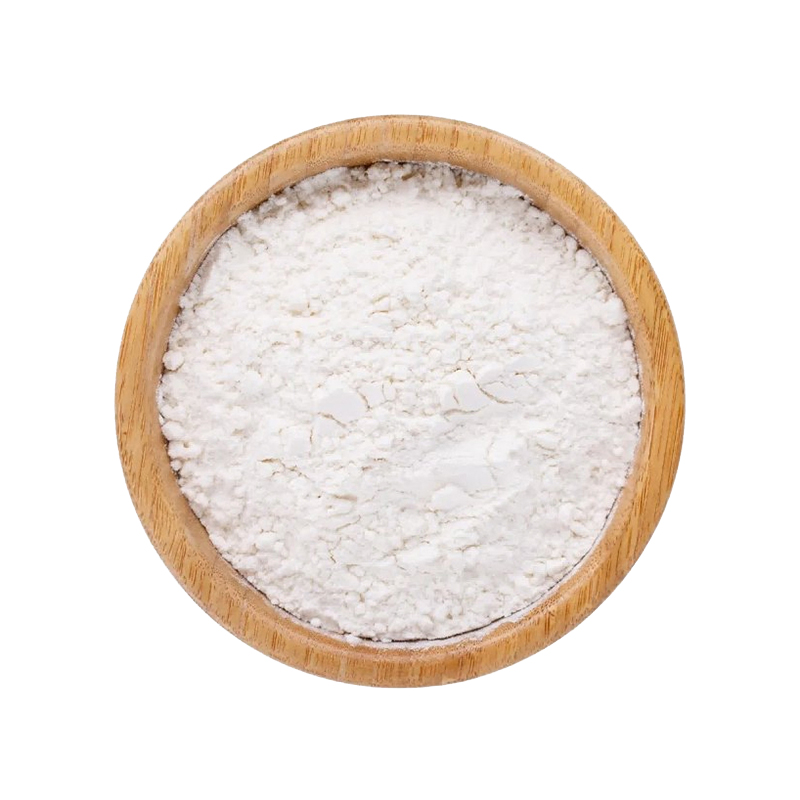
| form | Solid |
| pka | 2.98(at 25℃) |
| color | White to off-white |
| PH | 3.21(1 mM solution);2.57(10 mM solution);2.02(100 mM solution); |
| PH Range | Non0 uorescence (2.5) to dark blue 0 uorescence (4.0) |
| Odor | at 100.00 %. faint phenolic nutty |
| Odor Type | nutty |
| biological source | synthetic |
| Water Solubility | 1.8 g/L (20 ºC) |
| λmax | 210nm, 234nm, 303nm |
| Sensitive | Light Sensitive |
| Merck | 148332 |
| Sublimation | 70 ºC |
| JECFA Number | 958 |
| BRN | 774890 |
| Stability: | Stable. Substances to be avoided include oxidizing agents, strong bases, iodine, fluorine. Combustible. Sensitive to light. |
| Major Application | Semiconductors, nanoparticles, photoresists, lubricating oils, UV absorbers, adhesive, leather, cleaner, hair dye, soaps, cosmetics, pain medication, analgesics, antibacterial agent, treatment of dandruff, hyperpigmented skin, tinea pedis, onychomycosis, osteoporosis, beriberi, fungicidal skin disease, autoimmune disease |
| Cosmetics Ingredients Functions | HAIR CONDITIONING |
| ANTI-SEBORRHEIC | |
| FRAGRANCE | |
| SKIN CONDITIONING | |
| PRESERVATIVE | |
| KERATOLYTIC | |
| InChIKey | YGSDEFSMJLZEOE-UHFFFAOYSA-N |
| LogP | 2.01 |
| CAS DataBase Reference | 69-72-7(CAS DataBase Reference) |
| NIST Chemistry Reference | Benzoic acid, 2-hydroxy-(69-72-7) |
| EPA Substance Registry System | Salicylic acid (69-72-7) |
Safety Information
| Hazard Codes | Xn,F |
| Risk Statements | 22-41-36/37/38-36-20/21/22-11 |
| Safety Statements | 26-39-37/39-36-36/37-16 |
| RIDADR | UN 1648 3 / PGII |
| WGK Germany | 1 |
| RTECS | VO0525000 |
| Autoignition Temperature | 500 °C |
| TSCA | TSCA listed |
| HS Code | 29182100 |
| Hazardous Substances Data | 69-72-7(Hazardous Substances Data) |
| Toxicity | LD50 i.v. in mice: 500 mg/kg (Sota) |

Product Application of Salicylic Acid CAS#69-72-7
Salicylic acid is widely used in skincare and dermatological applications, particularly for the treatment of acne, dandruff, eczema, and psoriasis. Concentrations ranging from 3% to 6% are commonly used for exfoliation and the removal of excess keratin, while concentrations above 6% may cause tissue irritation or damage. Formulations containing up to 40% salicylic acid are often used for the treatment of calluses, corns, and warts.
Salicylic acid is also a popular ingredient in cosmetic and personal care products designed to improve skin texture, unclog pores, and promote exfoliation. Several well-known skincare brands have incorporated salicylic acid into their formulations. For example, in 1993, Clinique introduced a soft cream containing 1% salicylic acid, which became one of the brand’s most successful products. In 1998, SK-II added 1.5% BHA (salicylic acid) to its skincare formula, gaining significant market attention for its pore-refining and exfoliating benefits. Olay has also included 1.5% BHA in some of its popular skincare products.
Due to the potential irritation associated with higher concentrations, the salicylic acid content in cosmetic products is generally restricted to 0.2%–1.5%. Products containing salicylic acid are typically required to include appropriate warning labels regarding long-term use, and such products are generally not recommended for children under three years of age.