Allantoin CAS#97-59-6
Naturally Derived Metabolic Compound: Allantoin is a naturally occurring compound related to purine and uric acid metabolism, with established biological relevance.
Potential Biomarker Application: Increased allantoin levels may serve as a potential indicator for oxidative stress status and provide value in biological research.
Oxidative Stress Monitoring Capability: As a product formed through free radical-mediated oxidation in humans, allantoin is closely associated with the evaluation of oxidative damage and metabolic changes.
Research-Oriented Functional Value: Its unique biochemical properties make allantoin valuable in biomedical studies, including research related to disease progression and biomarker discovery.
Products Description of Allantoin CAS#97-59-6
Allantoin is a metabolic product derived from purine and uric acid metabolism. In most mammals, it is produced through the oxidation of uric acid by the enzyme urate oxidase. In humans, however, allantoin is generated primarily through the non-enzymatic oxidation of uric acid by free radicals.
Studies have shown that urinary allantoin levels increase before the appearance of Alzheimer's disease symptoms in mice carrying amyloid precursor protein and tau (APP/tau) mutations, while no significant elevation is observed during the early to middle stages of the disease. These findings suggest that allantoin may have potential as a biomarker for predicting the onset of Alzheimer's disease.
Because allantoin formation in humans is associated with free radical activity, elevated urinary allantoin levels are also considered a potential indicator of oxidative stress status.
Allantoin Chemical Properties
| Melting point | 230 °C (dec.) (lit.) |
| Boiling point | 283.17°C (rough estimate) |
| density | 1.6031 (rough estimate) |
| refractive index | 1.8500 (estimate) |
| Fp | 230-234°C |
| storage temp. | 2-8°C |
| solubility | H2O: soluble0.1g/10 mL, clear, colorless |
| pka | 8.96(at 25℃) |
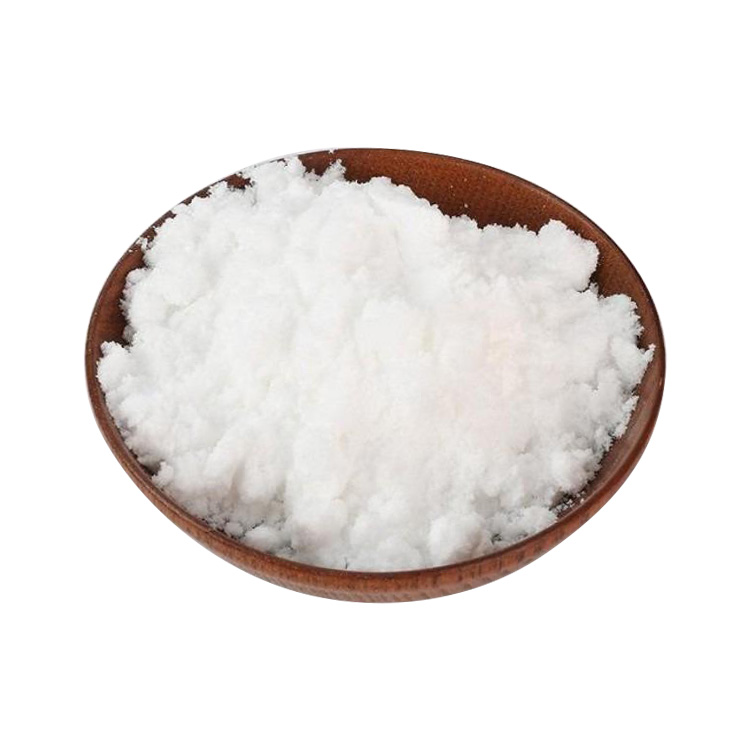
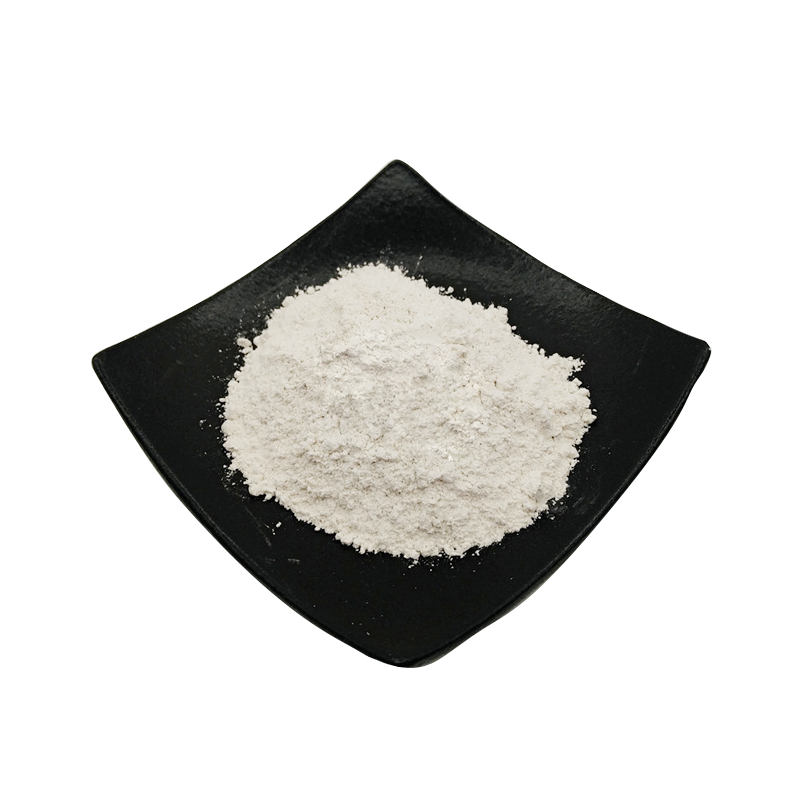
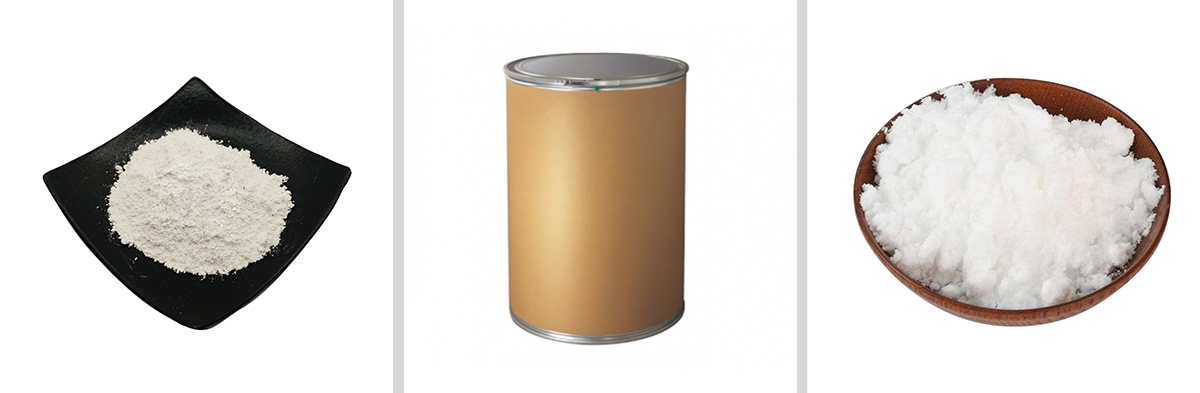
| form | Powder |
| color | White |
| Odor | odorless, tasteless |
| Water Solubility | Slightly soluble in water. Freely soluble in alkalis |
| Decomposition | 230-234 ºC |
| Merck | 14258 |
| BRN | 102364 |
| Stability: | Stable. Incompatible with strong oxidizing agents. |
| Cosmetics Ingredients Functions | SOOTHING |
| SKIN PROTECTING | |
| SKIN CONDITIONING | |
| Cosmetic Ingredient Review (CIR) | Allantoin (97-59-6) |
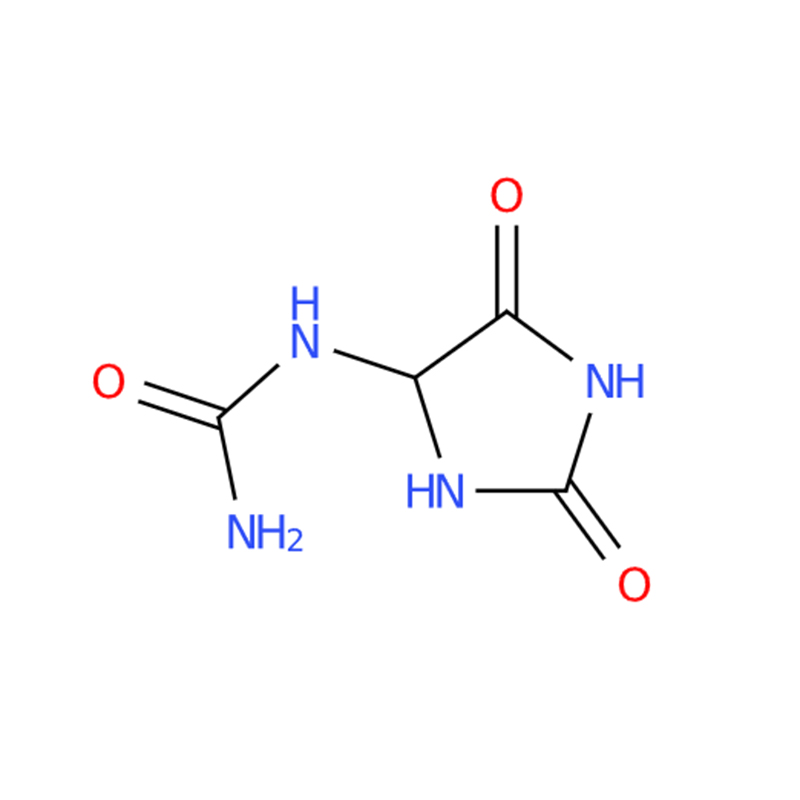
| InChI | 1S/C4H6N4O3/c5-3(10)6-1-2(9)8-4(11)7-1/h1H,(H3,5,6,10)(H2,7,8,9,11) |
| InChIKey | POJWUDADGALRAB-UHFFFAOYSA-N |
| SMILES | NC(=O)NC1NC(=O)NC1=O |
| LogP | -2.26 at 20℃ |
| CAS DataBase Reference | 97-59-6(CAS DataBase Reference) |
| NIST Chemistry Reference | Urea, (2,5-dioxo-4-imidazolidinyl)-(97-59-6) |
| EPA Substance Registry System | Allantoin (97-59-6) |
Safety Information
| Hazard Codes | Xn,Xi |
| Risk Statements | 22-36/37/38 |
| Safety Statements | 22-24/25-36-26 |
| WGK Germany | 1 |
| RTECS | YT1600000 |
| TSCA | TSCA listed |
| HS Code | 29332100 |
| Storage Class | 11 - Combustible Solids |
| Hazardous Substances Data | 97-59-6(Hazardous Substances Data) |
Product Application of Allantoin CAS#97-59-6
Allantoin is a botanical-derived extract known for its healing, soothing, and calming properties. It also helps protect the skin against external aggressors such as wind-related irritation. It is regarded as an effective temporary anti-irritant and is believed to support new tissue formation, thereby assisting in the repair of damaged skin.
Allantoin is suitable for sensitive, irritated, and acne-prone skin types. It is derived from comfrey root and is generally considered non-allergenic.