MOLECULAR SIEVE CAS#1344-00-9
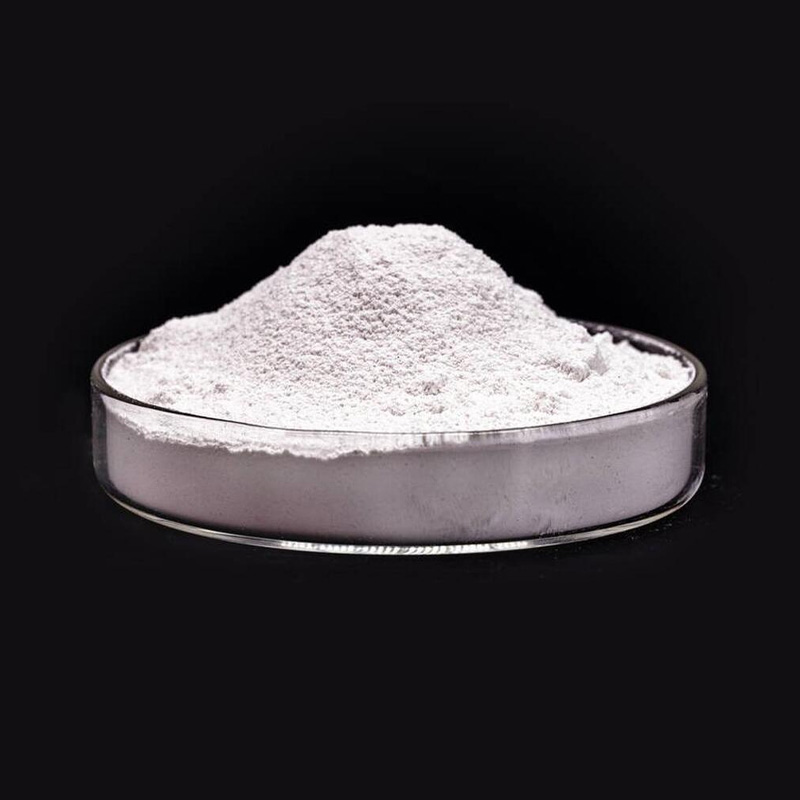
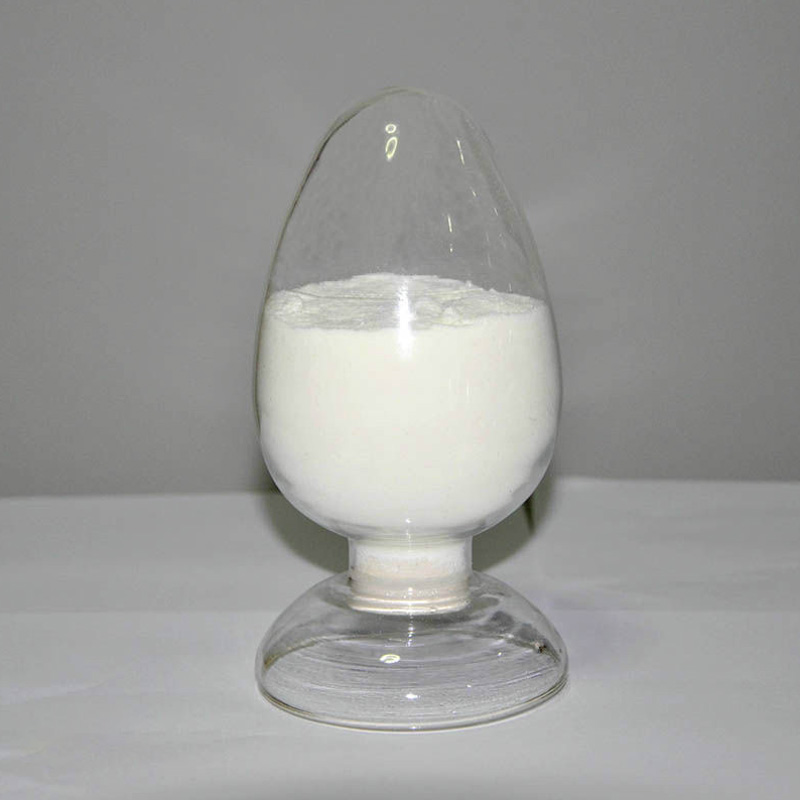
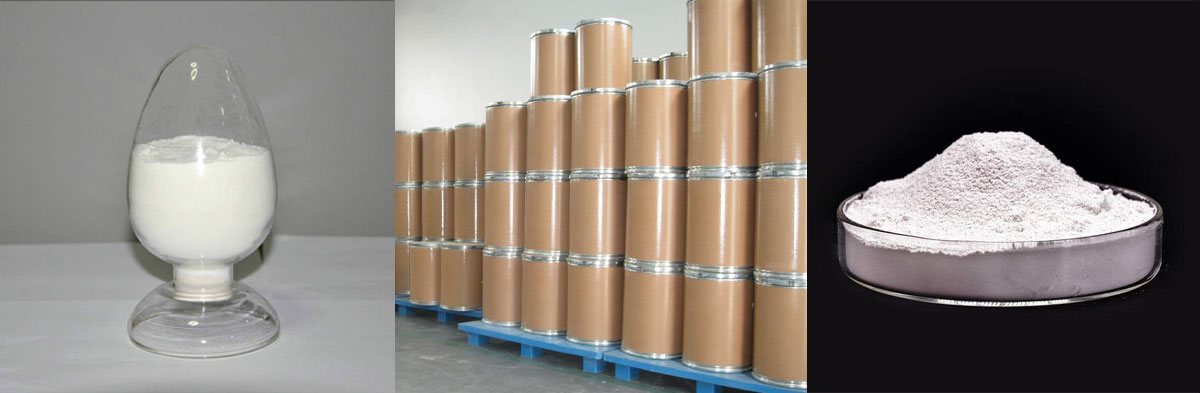
High-Purity Fine Powder – Appears as a fine white powder with uniform texture, suitable for precise industrial and catalytic applications.
Unique Porous Crystal Structure – Features a three-dimensional aluminosilicate framework with interconnected cavities and channels that provide excellent molecular access and selectivity.
Efficient Catalytic Performance – Acts as a highly effective catalyst by adsorbing and concentrating small molecules within its internal pores, accelerating chemical reactions.
Versatile Zeolite Functionality – Ideal for use in catalysis, adsorption, and separation processes, benefiting from the open framework and high surface activity of zeolite materials.
MOLECULAR SIEVE CAS#1344-00-9
Molecular sieve appears as a fine white powder composed of aluminosilicate materials. While many common minerals such as feldspars are aluminosilicates, zeolites are a special type with a more open three-dimensional framework. Their structure contains polyhedral cavities linked by channels, forming a porous network. These internal pores allow zeolites to adsorb small molecules and bring them into close contact, enabling faster and more efficient catalytic reactions.
MOLECULAR SIEVE Chemical Properties
| density | 2.05[at 20℃] |
| refractive index | 1.46 |
| form | powder |
| Odor | at 100.00?%. odorless |
| Cosmetics Ingredients Functions | BULKING |
| ABRASIVE | |
| VISCOSITY CONTROLLING | |
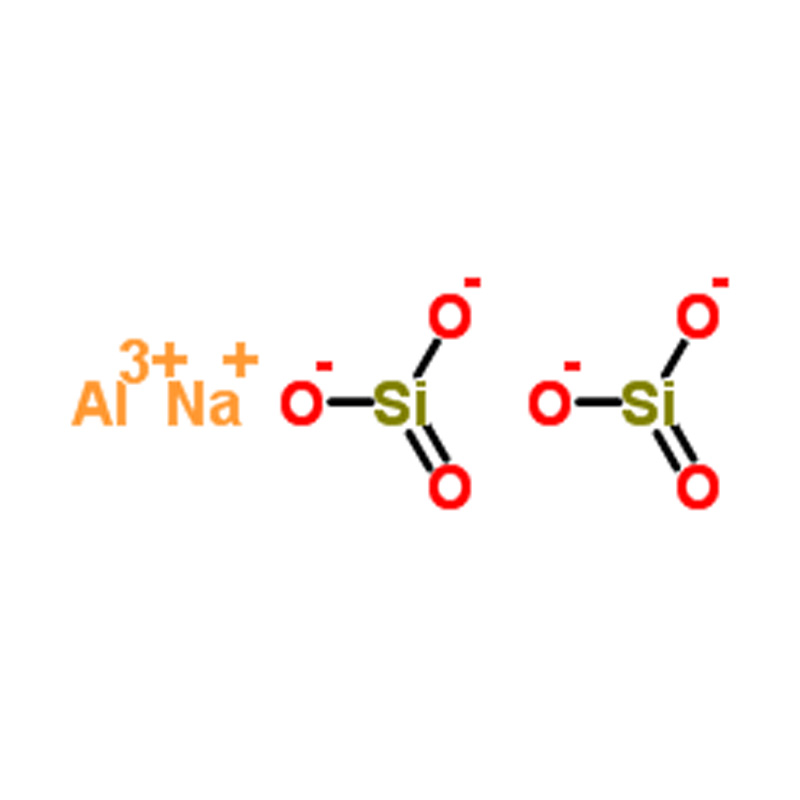
| EPA Substance Registry System | Aluminum sodium silicate (1344-00-9) |
Safety Information
| Hazard Codes | Xn,Xi |
| Risk Statements | 36/37/38 |
| Safety Statements | 26-36 |
| WGK Germany | 3 |
| RTECS | ZG6800000 |
| Hazardous Substances Data | 1344-00-9(Hazardous Substances Data) |
| Toxicity | LD50 oral in rat: > 27gm/kg |

Product Application of MOLECULAR SIEVE CAS#1344-00-9
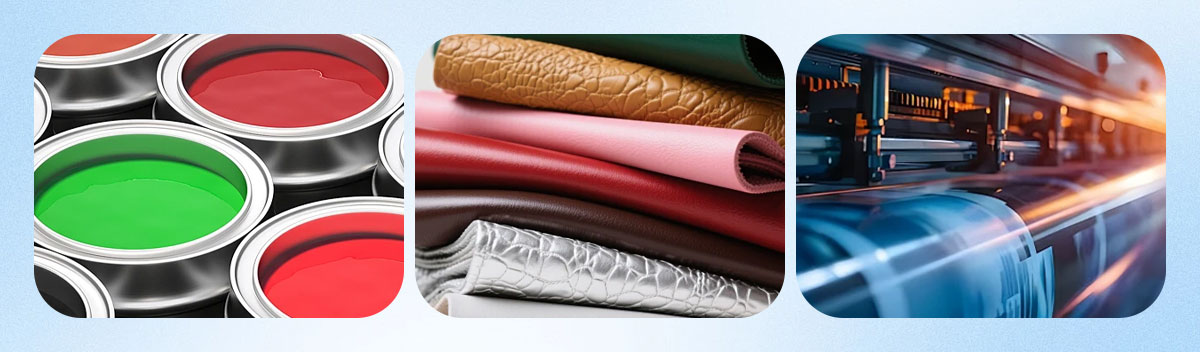
Sodium aluminum silicate is an ultrafine amorphous material widely applied in coatings, inks, plastics, rubber, leather, printing and dyeing, and papermaking, with growing use in environmental protection fields. It appears as a white, odorless, tasteless fine powder or small beads, with a relative density of about 2.6 and a melting point of 1000–1100 °C. The product is insoluble in water, ethanol, and most organic solvents, but partially dissolves in strong acids and alkaline solutions at 80–100 °C. A 20% slurry prepared with carbon-dioxide-free water shows a pH range of 6.5–10.5, making it suitable for diverse industrial formulations and processing applications.
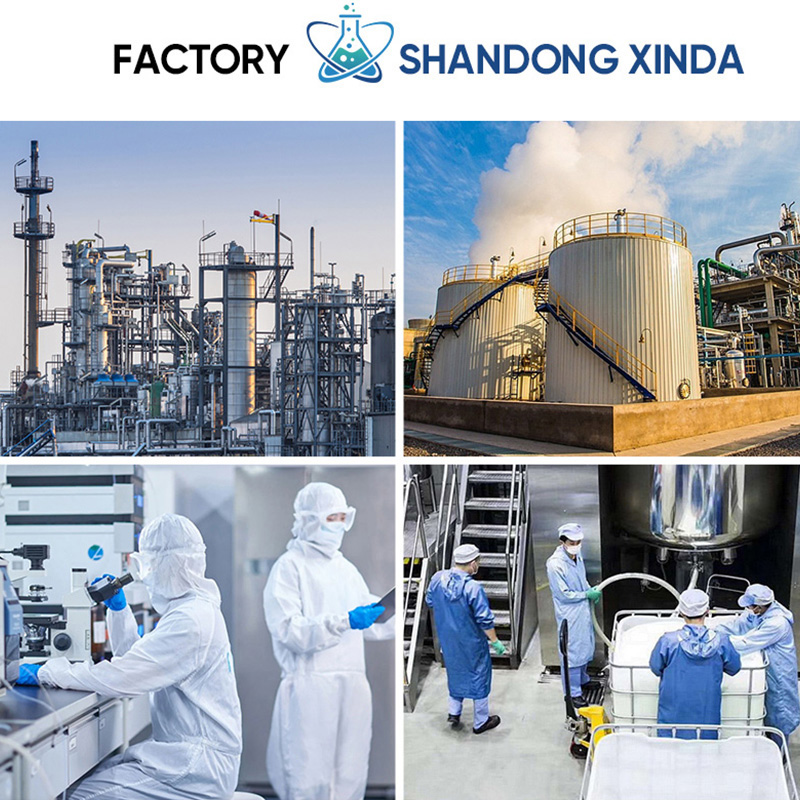
Factory and Equipment Show