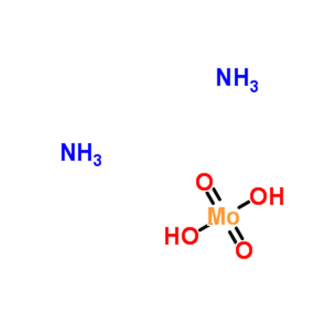
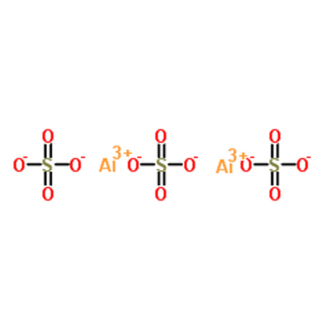
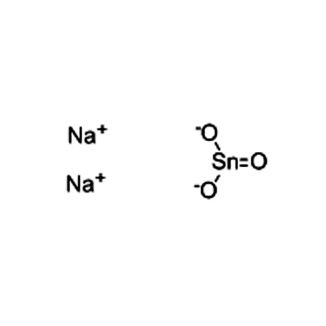
Zeolite CAS#1318-02-1
Diverse Composition Options: Zeolite offers a wide variety of natural and synthetic types, providing flexibility for different applications.
Lightweight Nature: Its unique porous structure makes zeolite lighter than ordinary stones, facilitating easier handling and transport.
Complex and Efficient Porous Structure: The intricate internal channels and tiny holes enhance its functionality, surpassing the complexity of a honeycomb.
Neutral Color Palette: Typically light gray or flesh-red, zeolite's color versatility makes it adaptable for various aesthetic or industrial uses.
Zeolite (CAS#1318-02-1) Product Description
Zeolite is a collective term for framework minerals composed of aluminum silicates. This mineral group forms an extensive family, with 40 natural varieties identified worldwide and 150 additional types synthesized artificially. Typically exhibiting a light gray hue, zeolite may occasionally appear flesh-red in color. Compared to ordinary stones, zeolite feels noticeably lighter when held due to its intricate internal structure—characterized by countless microscopic pores and channels that significantly surpass the complexity of a honeycomb pattern.

Parameters
| Melting point | >1600°C |
| density | 1.9~2.3g/cm3 |
| bulk density | 700-750kg/m3 |
| storage temp. | no restrictions. |
| form | powder |
| pka | 10.348[at 20 ℃] |
| color | White |
| PH | 8-11 (H2O) |
| Odor | wh., odorless powd. |
| biological source | mouse |
| Water Solubility | Insoluble in water. |
| Sensitive | Hygroscopic |
| Exposure limits | ACGIH: TWA 10 mg/m3 |
| OSHA: TWA 15 mg/m3 | |
| NIOSH: IDLH 5000 mg/m3; TWA 2.4 mg/m3; TWA 0.3 mg/m3 | |
| IARC | 3 (Vol. 68) 1997 |
| EPA Substance Registry System | Zeolites (1318-02-1) |
Safety Information
| Hazard Codes | Xn |
| Risk Statements | 36/37/38-36/37-20 |
| Safety Statements | 26-7/9-36-22 |
| WGK Germany | 3 |
| RTECS | ZG6800000 |
| F | 3 |
| HS Code | 2842 10 00 |

Product Application of Zeolite (CAS#1318-02-1)
Zeolite's unique physical properties—including high surface area and an ordered pore structure—enable its use in a wide range of applications, from carbon dioxide (CO₂) sequestration to catalysis and the removal of heavy metals from waste streams. Our pelletized zeolite materials are designed for ease of handling and are particularly well-suited for these applications, especially when used in column configurations, which are often essential for continuous processing operations.