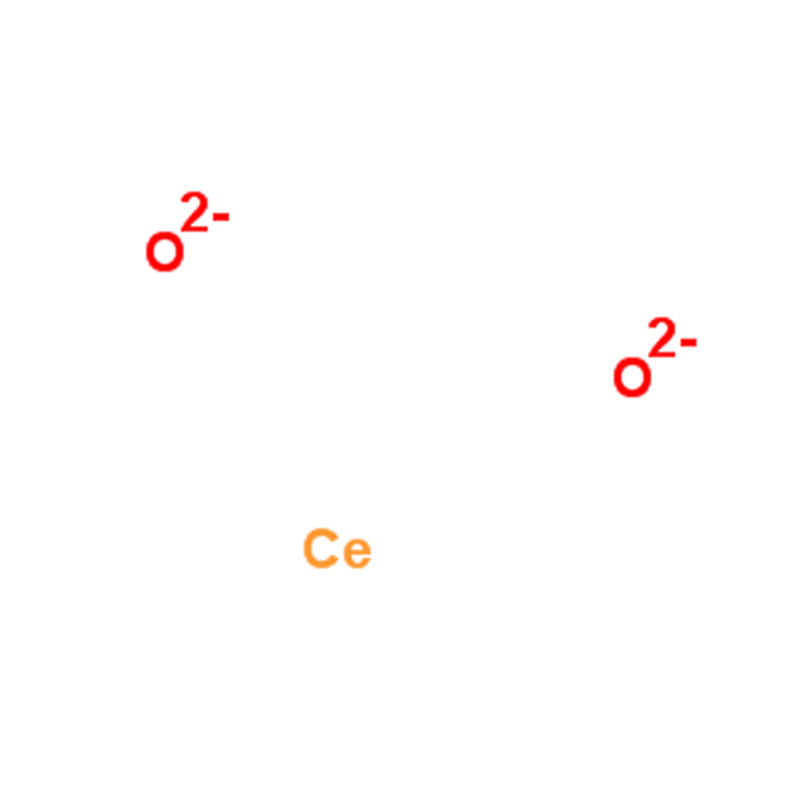

Cerium dioxide CAS#1306-38-3
High-Precision Polishing Performance – Widely used as a premium polishing agent for optical and specialty glass, delivering excellent surface finish and accuracy.
Versatile Catalytic Functionality – Acts as an efficient oxidation catalyst and oxygen storage material, ideal for catalytic converters and gas oxidation systems.
Advanced Electronic & Ionic Conductivity – Exhibits mixed ionic and electronic conduction, making it suitable for high-performance electronic, sensor, and energy applications.
Multi-Purpose Industrial Material – Applicable in infrared filters, incandescent mantles (as a thorium substitute), and rare-earth processing, produced by calcination of cerium compounds for high purity and stability.
Cerium Dioxide CAS#1306-38-3
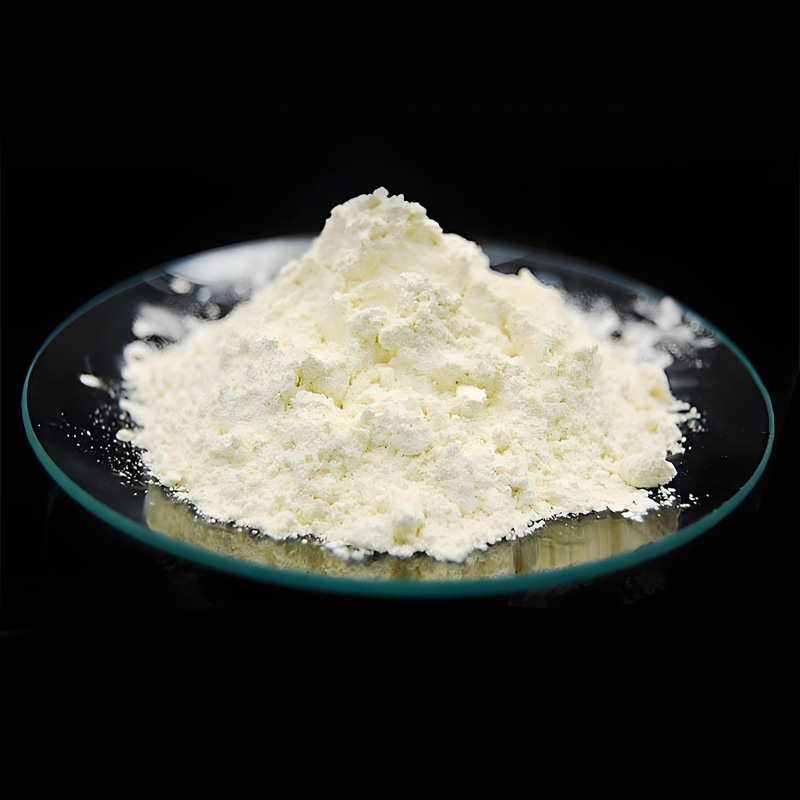
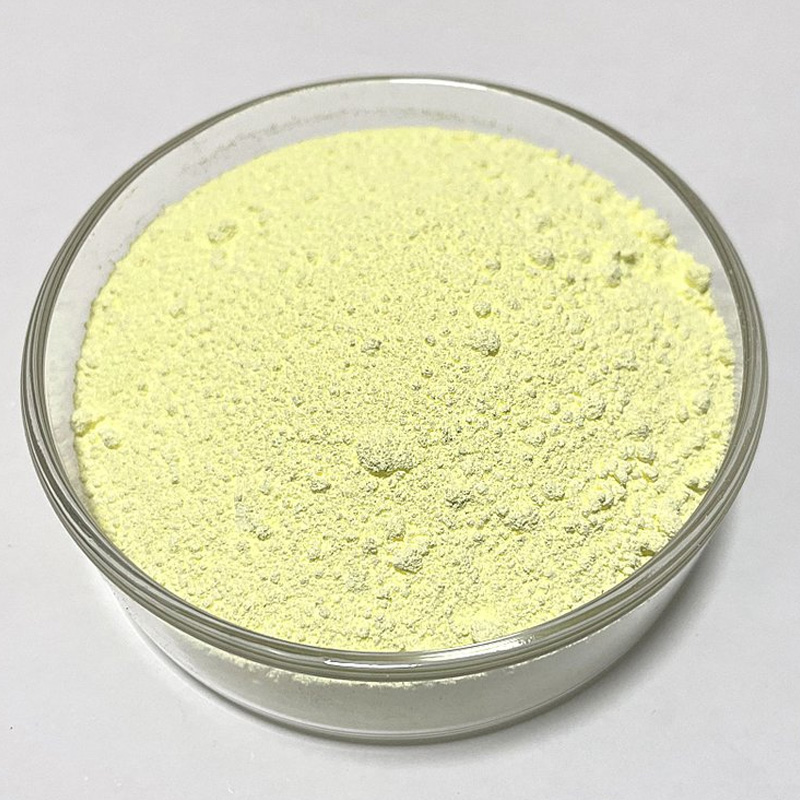
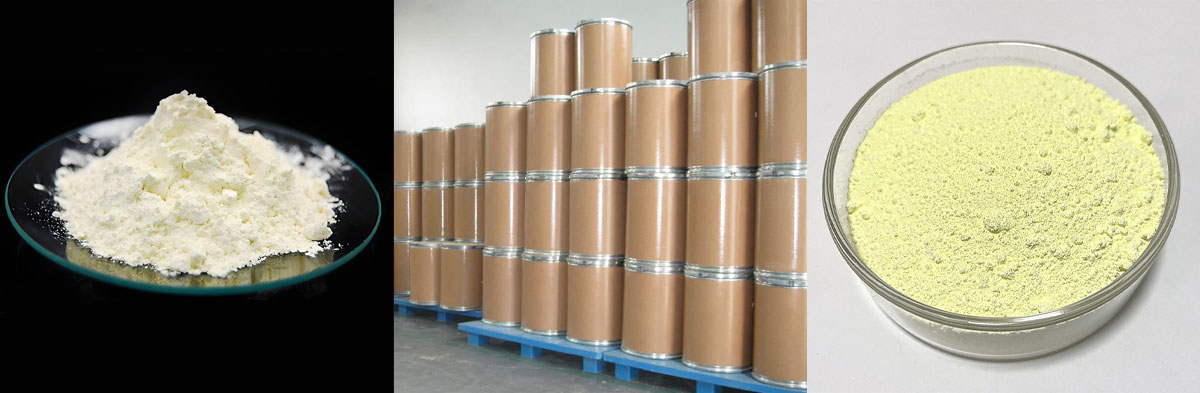
Cerium dioxide (CeO₂) is a rare-earth metal oxide that appears as a pale yellow to white powder. It is an important intermediate in the extraction and purification of cerium from mineral ores. In industry, it is widely used as a high-precision polishing agent for glass and optical products. It is also applied in infrared filter materials, catalytic converters as an oxidizing component, and as a substitute for thorium dioxide in incandescent mantles. Owing to its reversible oxidation states, cerium dioxide serves as an effective oxidation catalyst, such as in natural gas combustion systems. In addition, its mixed ionic and electronic conductivity makes it suitable for advanced electronic and energy-related applications. The material is commonly produced by calcining cerium oxalate or cerium hydroxide.
Cerium dioxide Chemical Properties
bulk density | 1280kg/m3 |
density | 7.13 g/mL at 25 °C(lit.) |
storage temp. | Storage temperature: no restrictions. |
solubility | insoluble in H2O, dilute acid solutions |
form | powder |
color | Yellow |
Specific Gravity | 7.132 |
Odor | Odorless |
PH | ~2.7 |
Resistivity | 10*10 (ρ/μΩ.cm) |
Water Solubility | insoluble |
Crystal Structure | Cubic |
crystal system | Cube |
Merck | 14,1989 |
Space group | Fm3m |
Lattice constant | a/nmb/nmc/nmα/oβ/oγ/oV/nm30.541090.541090.541099090900.1584 |
Stability: | Stable, but absorbs carbon dioxide from the air. |
Cosmetics Ingredients Functions | OPACIFYING |
InChIKey | CETPSERCERDGAM-UHFFFAOYSA-N |
CAS DataBase Reference | 1306-38-3(CAS DataBase Reference) |
NIST Chemistry Reference | Cerium dioxide(1306-38-3) |
EPA Substance Registry System | Cerium oxide (CeO2) (1306-38-3) |
Safety Information
| Hazard Codes | Xi,Xn |
| Risk Statements | 36-22 |
| Safety Statements | 26-24/25-23 |
| WGK Germany | 3 |
| RTECS | FK6310000 |
| TSCA | TSCA listed |
| HazardClass | 8 |
| HS Code | 28461000 |
| Hazardous Substances Data | 1306-38-3(Hazardous Substances Data) |
| Toxicity | LD50 orally in rats: >5.0 g/kg (Lambert) |

Product Application of Cerium Dioxide CAS#1306-38-3
Cerium dioxide, also known as ceria, is widely used in the production of glass, ceramics, and catalysts. In the glass industry, it is recognized as one of the most effective polishing agents for high-precision optical surfaces. It is also employed as a glass decolorizer by maintaining iron in the ferrous state and as a UV-blocking additive in cerium-doped glass for medical instruments and aerospace windows. In addition, cerium dioxide helps prevent polymer yellowing under sunlight and reduces discoloration in television glass. It is used in optical components to enhance performance, while high-purity grades serve as phosphor materials and crystal dopants.

Factory and Equipment Show