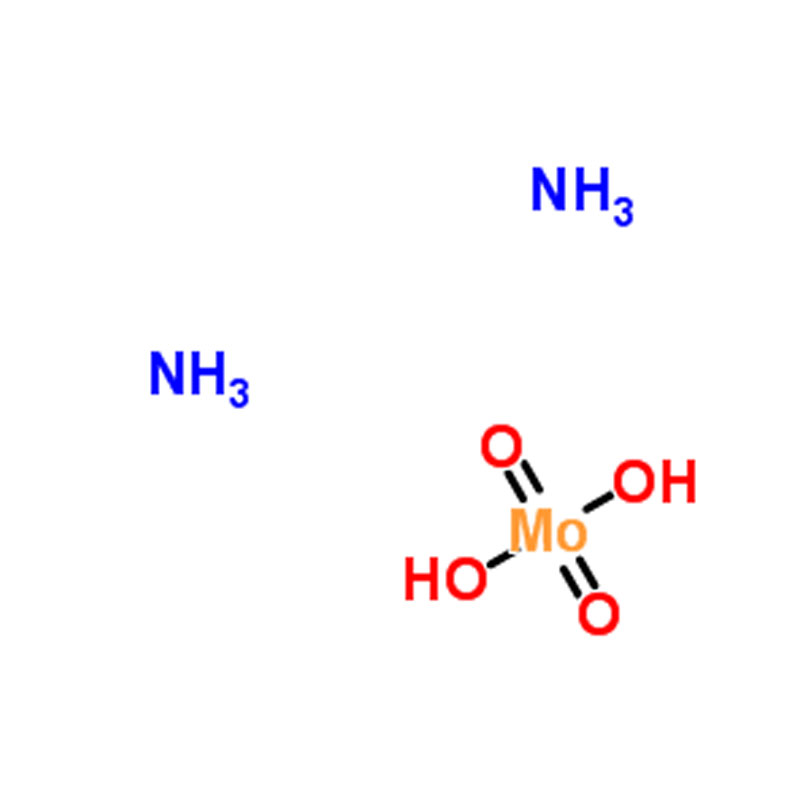

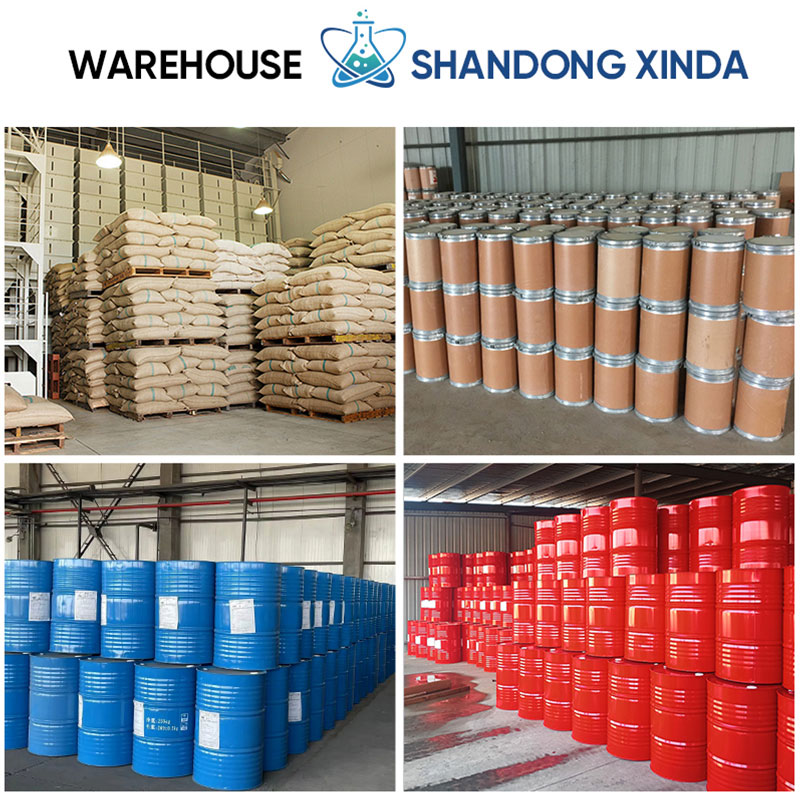
Ammonium Molybdate CAS#13106-76-8
High Analytical Sensitivity for Phosphorus Detection – Effectively precipitates phosphorus as ammonium phosphomolybdate, enabling accurate quantitative analysis in chemical testing.
Reliable Reagent for Alkaloid Identification – Certain phosphomolybdic acids derived from ammonium molybdate are widely used as selective reagents for alkaloid analysis.
Useful in Alkali Metal Analysis and Separation – Supports precise evaluation and separation of alkali metals in analytical chemistry applications.
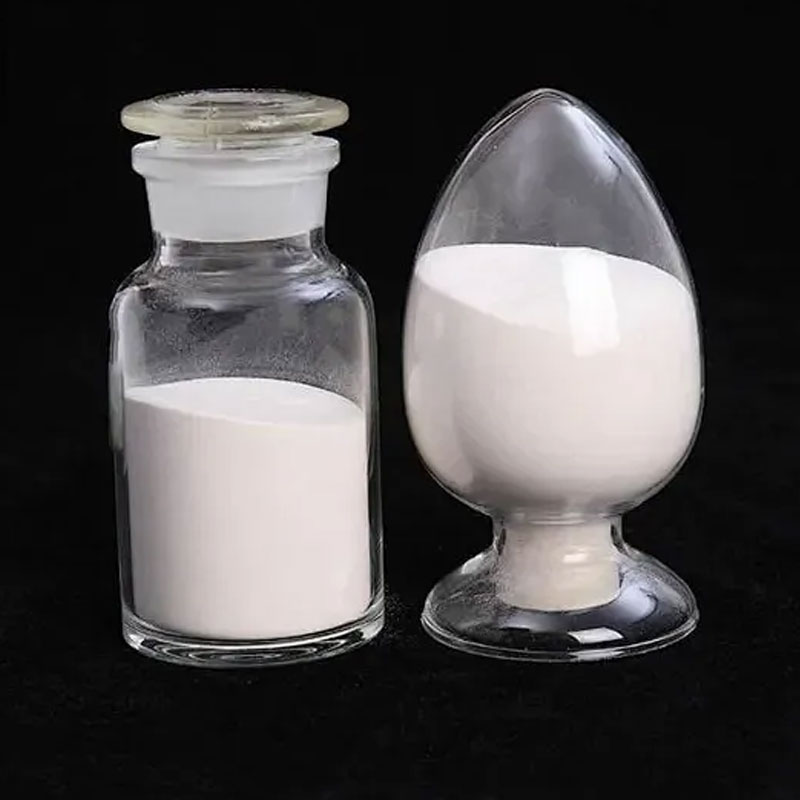
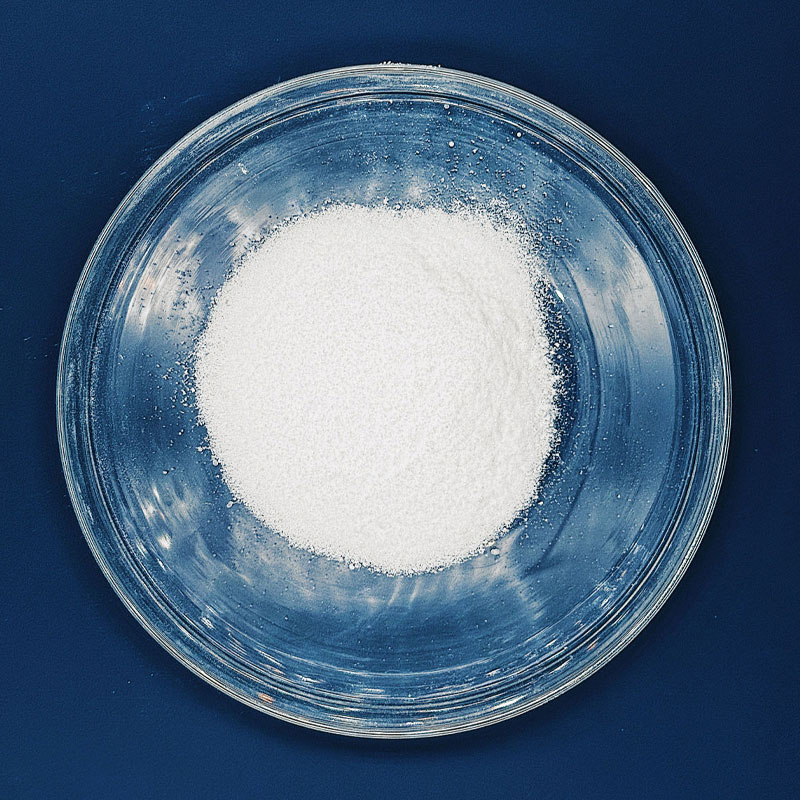
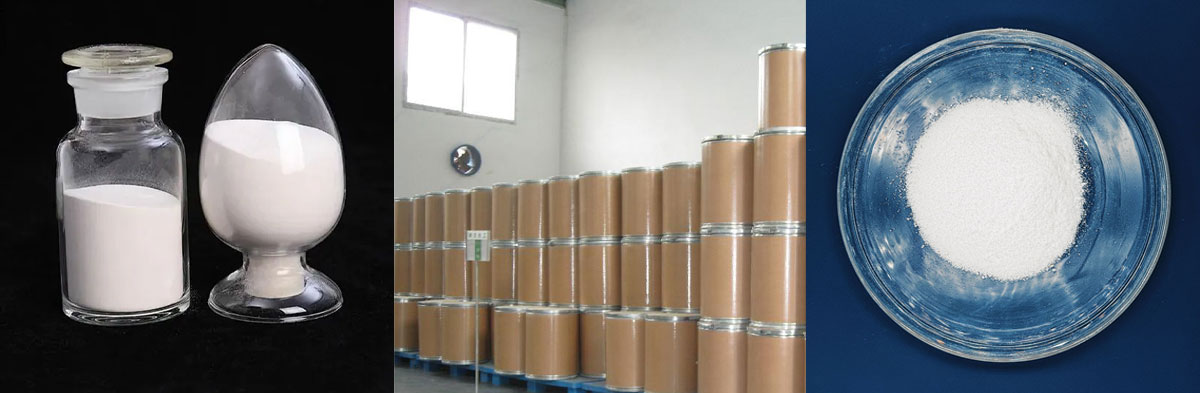
Stable and Easy-to-Handle Solid Form – Supplied as a colorless to pale yellow powder, convenient for laboratory handling, storage, and formulation.
Products Description of Ammonium Molybdate CAS#13106-76-8
Ammonium molybdate is a colorless, white, or slightly greenish-yellow powder. It is primarily used in chemical analysis for the determination of phosphorus. When dissolved in a nitric acid solution, it precipitates phosphorus as ammonium phosphomolybdate with the formula (NH4)3PO4·12MoO3 after drying at 110 °C (230 °F). Certain phosphomolybdic acids derived from it are also utilized as reagents for alkaloid detection and for the analysis and separation of alkali metals.
Parameters
| density | 2.498 |
| storage temp. | Inert atmosphere,Room Temperature |
| solubility | ethanol: insoluble(lit.) |
| form | Powder |
| color | White |
| Water Solubility | Soluble in water, acid and alkali, but insoluble in alcohol. |
| Exposure limits | ACGIH: TWA 0.5 mg/m3 |
| NIOSH: IDLH 1000 mg/m3 | |
| CAS DataBase Reference | 13106-76-8(CAS DataBase Reference) |
| EPA Substance Registry System | Molybdate (MoO42-), ammonium (1:2), (T-4)- (13106-76-8) |
| Hazard Codes | Xi |
| Risk Statements | 36/37/38 |
| Safety Statements | 26-36 |
| WGK Germany | 1 |
| RTECS | QA4900000 |
| TSCA | Yes |
| HS Code | 28417010 |
| Toxicity | LD50 orl-rat: 333 mg/kg 28ZLA8 -,214,61 |

Product Application of Ammonium Molybdate CAS#13106-76-8
Ammonium molybdate (CAS#13106-76-8) is an important molybdate compound. Thanks to its water solubility and complexation properties, it finds broad applications across various fields. In the chemical industry, it is used as a refining catalyst, an additive for steel surface treatment, and as a raw material for pigments. In agriculture, it serves as a molybdenum fertilizer to promote nitrogen fixation in leguminous plants and can be added to ruminant feed. In materials science, it is employed in the preparation of molybdenum-based materials and assists in the separation of rare earth elements.