
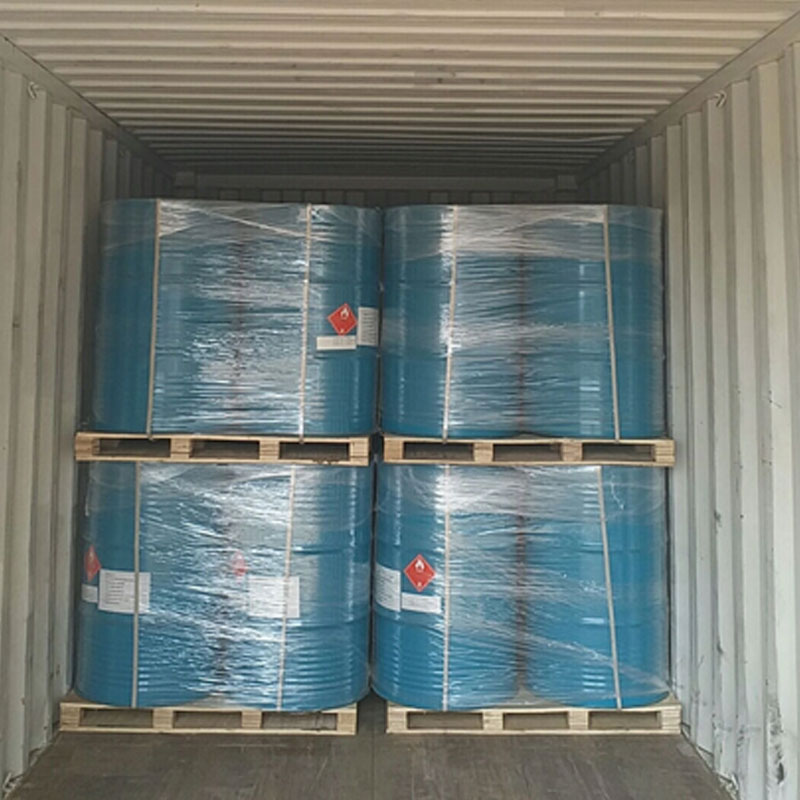
Sodium Hypochlorite CAS#7681-52-9
High Solubility and Easy Handling – Readily soluble in cold water, allowing for convenient preparation and uniform application in liquid solutions.
Effective Available Chlorine Source – Provides a reliable concentration of active chlorine (5.25% for household use and up to 150 g/L for industrial use), ensuring strong disinfecting and bleaching performance.
Multiple Strength Options – Available in both household-grade and industrial-grade concentrations, making it suitable for a wide range of cleaning, sanitizing, and industrial applications.
Distinctive Mild Aroma and Clean Appearance – Pale greenish crystalline form with a mild odor, indicating freshness and ease of identification during handling and storage.
Products Description of Sodium Hypochlorite CAS#7681-52-9
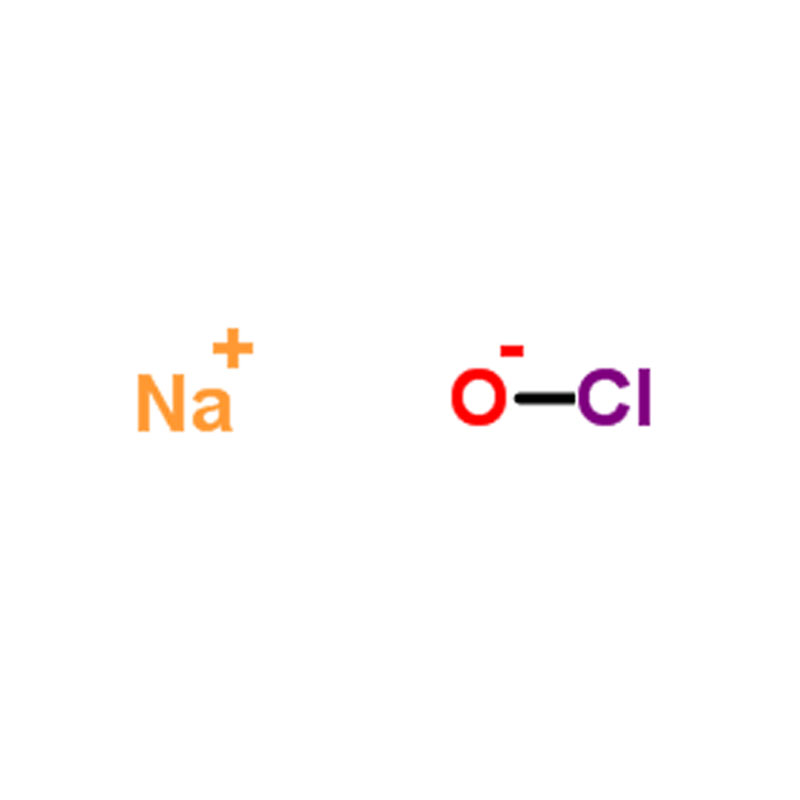
Sodium hypochlorite (NaOCl) is a pale greenish crystalline solid that is unstable in air. It dissolves easily in cold water, decomposes in hot water, and has a mild, sweet odor. It is generally available in two typical concentrations. Household liquid bleach contains about 5.25 wt% NaOCl, while the industrial grade product, often called 15% bleach, contains approximately 150 g/L of available chlorine.
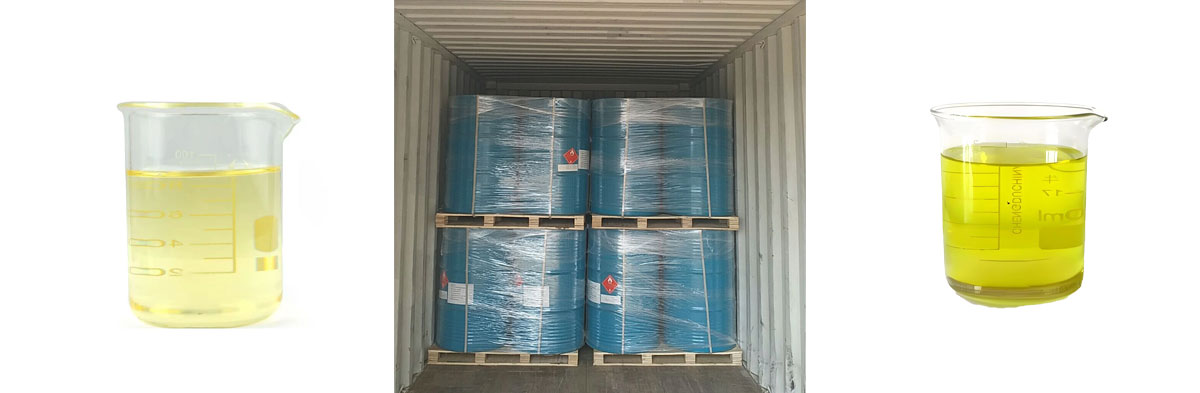
Parameters
| Melting point | -16 °C |
| Boiling point | 111 °C |
| density | 1.25 g/mL at 20 °C |
| vapor pressure | 17.5 mmHg ( 20 °C) |
| refractive index | 1.387 |
| storage temp. | 2-8°C |
| solubility | Methanol (Slightly), Water (Slightly) |
| form | Solution |
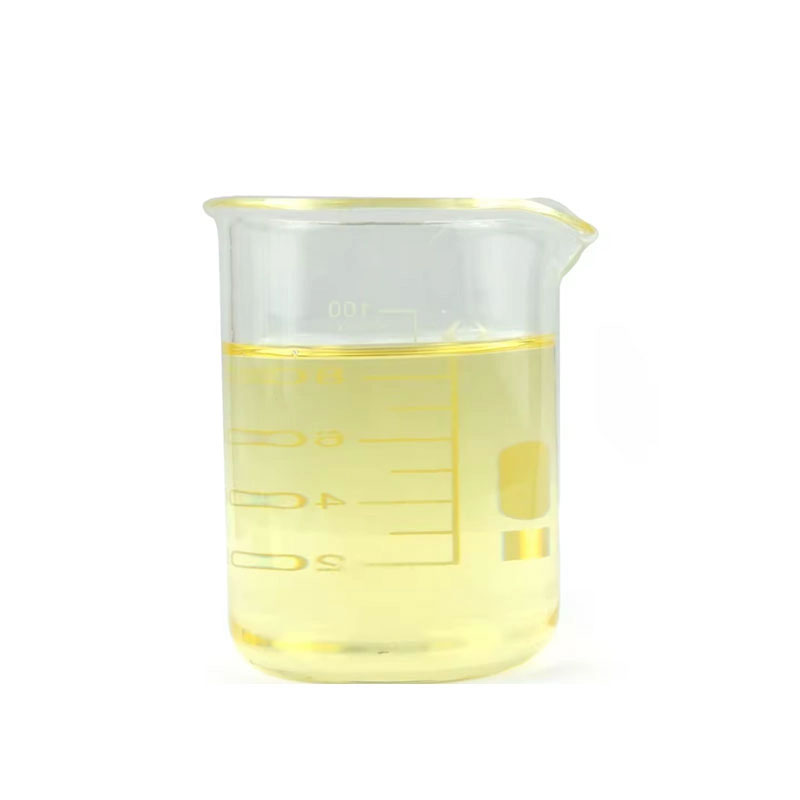
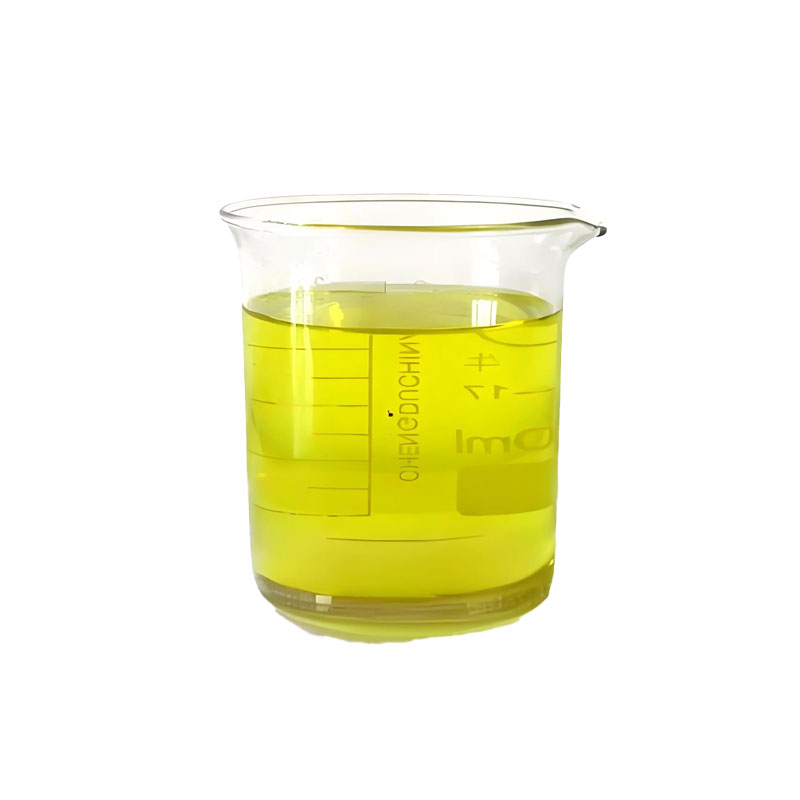
| color | Light yellow |
| Specific Gravity | 1.209 |
| Odor | pale greenish to yel. liq., chlorine bleach odor |
| PH | 12-13 (20°C, 68 °F) |
| Water Solubility | decomposes. |
| Merck | 148,628 |
| Dielectric constant | 6.7(Ambient) |
| Exposure limits | ACGIH: Ceiling 2 mg/m3 |
| OSHA: TWA 2 mg/m3 | |
| NIOSH: IDLH 10 mg/m3; Ceiling 2 mg/m3 | |
| BCS Class | 1 |
| Stability: | Stable. Contact with acids releases poisonous gas ( chlorine ). Light sensitive. Incompatible with strong acids, amines, ammonia, ammonium salts, reducing agents, metals, aziridine, methanol, formic acid, phenylacetonitrile. |
| LogP | -3.42 at 20℃ |
| CAS DataBase Reference | 7681-52-9(CAS DataBase Reference) |
| EPA Substance Registry System | Sodium hypochlorite (7681-52-9) |
Safety Information
| Hazard Codes | C,Xi,N |
| Risk Statements | 31-34-36/38-36/37/38-50 |
| Safety Statements | 26-36/37/39-45-50A-28A-36-61-50-28 |
| RIDADR | UN 1791 8/PG 3 |
| WGK Germany | 2 |
| RTECS | NH3486300 |
| TSCA | Yes |
| HazardClass | 8 |
| PackingGroup | III |
| HS Code | 28289000 |
| Hazardous Substances Data | 7681-52-9(Hazardous Substances Data) |
| Toxicity | Skin contact with the solid hypochlorite pentahydrate or its concentrated solution can cause irritation. Ingestion may cause corrosion of mucous membranes and gastric perforation. |

Product Application of Sodium Hypochlorite CAS#7681-52-9
Sodium hypochlorite is supplied only in aqueous form because the anhydrous solid is highly unstable and may explode. The solid pentahydrate is also unstable in air and decomposes through reaction with carbon dioxide in the atmosphere. In contrast, aqueous solutions are very stable. They are widely used for bleaching textiles and paper pulp, in cleaning formulations, for water purification, as a disinfectant for swimming pools, and as a germicidal and topical anti-infective agent.