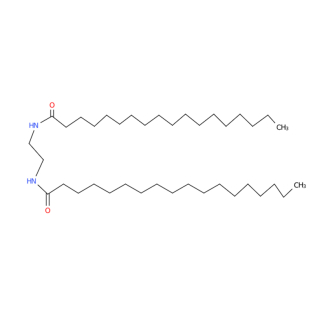
Isobutyl Methacrylate Industry Enters a New Phase of Innovation: Rising Demand for Specialty Monomers Accelerates Supply Chain Transformation and Green Technologies Redefine the High-End Market
Isobutyl Methacrylate (IBOMA), a key specialty monomer in the methacrylate family, is rapidly evolving from a conventional coating modifier into a critical feedstock for advanced functional polymers. As an acrylate monomer with an active double bond, IBOMA delivers unique value in high-tech sectors such as specialty coatings, optical materials, medical polymers, and electronic information, owing to its steric hindrance, strong weather resistance, and excellent copolymerization behavior. Supported by rising global demand for high-performance materials and progress in China’s high-end chemical industry, the IBOMA market is entering a new, innovation-driven growth phase focused on high-purity specialty products.
1. Molecular Features and Advanced Functions
IBOMA is a branched methacrylate monomer whose isobutyl side group gives rise to several distinctive advantages:
Steric Hindrance Effect: The bulky isobutyl group lowers the glass transition temperature of its homopolymer (Tg ≈ 53 °C) and provides copolymers with improved flexibility and low-temperature performance.
Hydrophobicity and Durability: Its branched alkyl structure delivers strong water resistance along with excellent chemical and UV stability.
Copolymerization Control: As a functional monomer, IBOMA enables precise adjustment of properties such as Tg, surface energy, and solubility, allowing tailored polymer design.
Balanced Reactivity: While retaining the high activity of methacrylates, steric hindrance reduces unwanted self-polymerization, improving process control in copolymer systems.
2. Market Trends: High-Value Applications Lead Growth
The global IBOMA market was valued at about USD 820 million in 2024 and is expected to reach USD 890 million in 2025, representing a CAGR of 8.5%. By 2030, it is forecast to surpass USD 1.25 billion.
Application demand is shifting: although coatings and adhesives remain stable, optical materials and electronic applications are growing the fastest. Their combined share is projected to rise from 28% in 2023 to 35% in 2025, growing at over 15% annually. Specialty coatings and medical polymers account for roughly 25% and 20% of total demand, respectively.
Production is relatively concentrated, with companies in Japan and China supplying more than 70% of global high-end capacity. While China still relied on imports for about 45% of IBOMA in 2024, domestic producers have begun supplying electronic-grade (metal impurities <1 ppm) and pharmaceutical-grade products meeting EP and JP standards.
Industrial-grade IBOMA sells for around USD 2,800–3,500 per ton, whereas optical-grade material with over 99.5% light transmittance can command three to five times that price. Semiconductor-grade products achieve even higher premiums.
3. Technology Advances: Green Processing and Precision Purification
Conventional IBOMA production via methacrylic acid esterification with isobutanol suffers from corrosion and waste issues. New technological routes include:
Solid-Acid Continuous Esterification: Using mesoporous solid acid catalysts instead of sulfuric acid allows milder operation, with temperatures reduced by about 30 °C, conversion above 98.5%, and wastewater cut by 85%.
Molecular Distillation and Adsorption Purification: Three-stage molecular distillation combined with selective adsorption ensures purity above 99.95%, with inhibitor levels tightly controlled at 10–50 ppm for optical-grade quality.
In-Situ Stabilization Systems: Compound inhibitors such as phenothiazine and hydroquinone derivatives maintain storage stability while preserving polymerization performance, extending shelf life beyond 12 months at room temperature.
Bio-Based Routes: Pilot-scale production using bio-fermented isobutanol reduces the carbon footprint by around 40%, opening the door to greener premium products.
4. Expanding Applications Across High-Tech Sectors
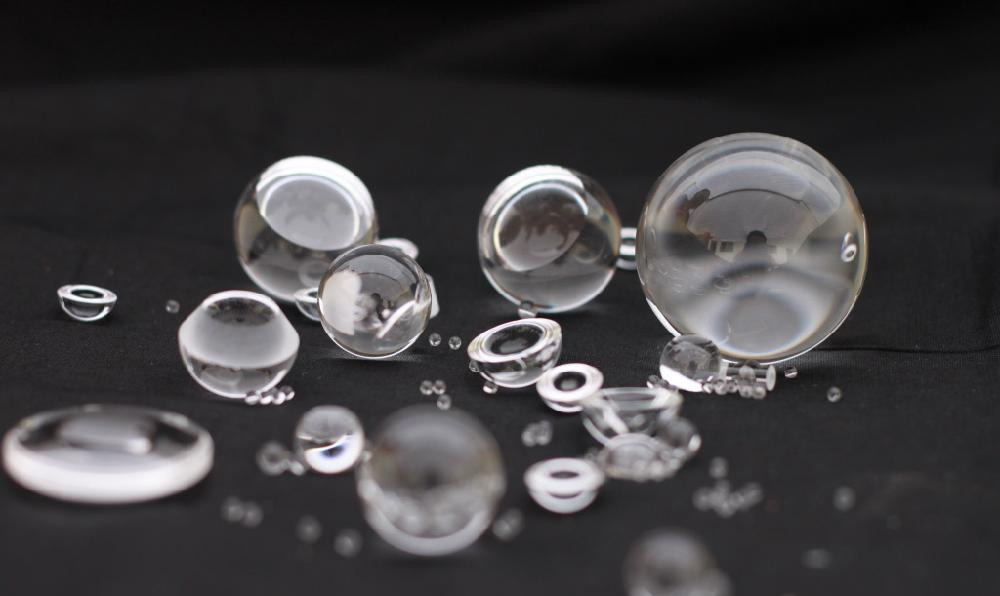
Optical Materials: IBOMA is used in optical-grade PMMA copolymers for lenses, light guide plates, and fiber coatings, providing high refractive index and low birefringence for AR/VR and camera optics.
Electronics: It is a key monomer in semiconductor packaging adhesives, photoresist resins, and display panel bonding layers, improving stress control, adhesion, and dielectric performance.
Specialty Coatings: IBOMA enhances flexibility, adhesion, and weather resistance in automotive finishes, wind turbine coatings, and marine anticorrosion systems.
Medical Polymers: It is incorporated into orthopedic cements, dental materials, and drug-delivery systems, enabling control over mechanical strength and degradation behavior.
Functional Additives: Used in reactive dispersants and leveling agents for advanced water-based formulations.
5. Outlook: High Performance, Customization, and Sustainability
Growth Drivers
The upgrade of optical technologies for smart vehicles, immersive displays, and precision sensors is boosting demand for advanced IBOMA-based polymers.
Localization of electronic materials in China’s semiconductor and display industries creates new opportunities for domestic high-end supply.
Environmental regulations and the shift toward bio-based and water-based systems continue to stimulate innovation in IBOMA processing.
Challenges
High-end markets require sophisticated purification, stabilization, and application know-how, creating steep entry barriers.
Fluctuating prices of methacrylic acid and isobutanol, influenced by propylene and energy markets, add cost pressure.
Long qualification cycles of 2–3 years in downstream electronics, medical, and optical fields demand sustained R&D investment and financial resilience.