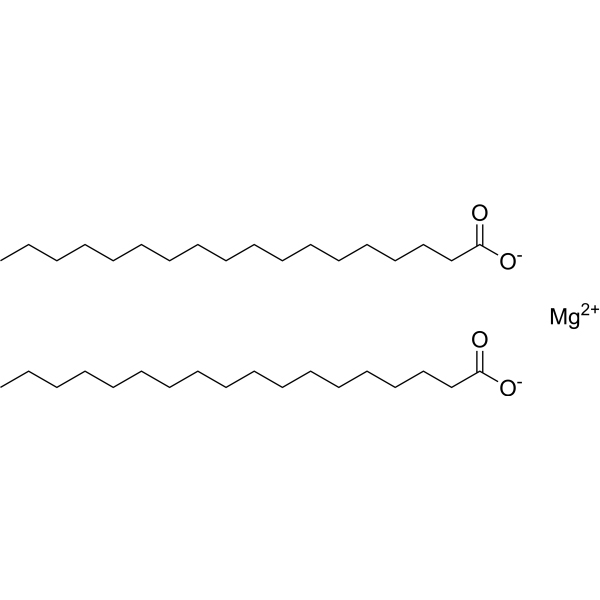
Magnesium Stearate CAS#557-04-0
Provides excellent lubricating performance through its hydrophobic properties, effectively reducing friction during tablet compression and ejection processes.
Widely used as a multifunctional additive, serving as an emulsifier, binder, thickener, anticaking agent, release agent, and antifoaming aid in food and pharmaceutical applications.
Recognized as a non-toxic and food-contact approved material in multiple countries, making it suitable for supplements, confectionery, and pharmaceutical formulations.
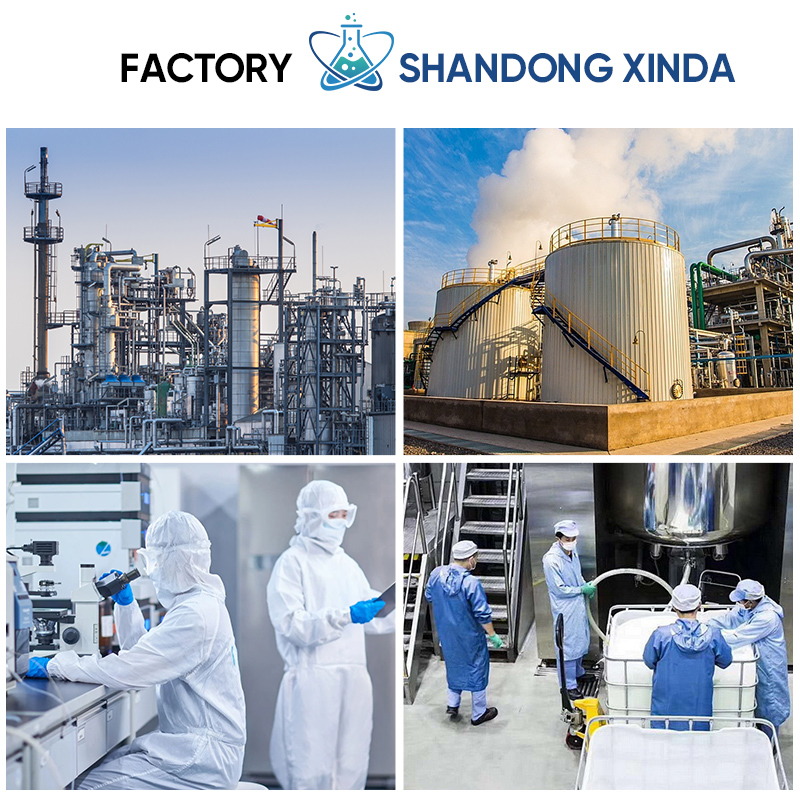
Manufactured in compliance with pharmacopeia quality standards, with controlled magnesium content, moisture, heavy metals, iron, sulfate, and chloride levels.
Magnesium Stearate CAS#557-04-0
Magnesium stearate has been widely used in the food industry for many decades as an emulsifier, binder, thickener, anticaking agent, lubricant, release agent, and antifoaming additive.
It is commonly found in dietary supplements, confectionery, chewing gum, herbs, spices, and baking ingredients.
In the pharmaceutical industry, magnesium stearate is widely used as an inactive excipient in the production of tablets, capsules, and powders.
Its excellent lubricating performance mainly comes from its hydrophobic nature, which helps reduce friction between tablets and the die wall during the ejection process.
Magnesium stearate is generally regarded as non-toxic, and its use in food-contact applications is permitted in countries such as the United States, Germany, and Japan.
It is also listed in the pharmacopoeias of China and many other countries, with clear specifications covering magnesium content, moisture, heavy metals, iron, sulfate, and chloride levels.
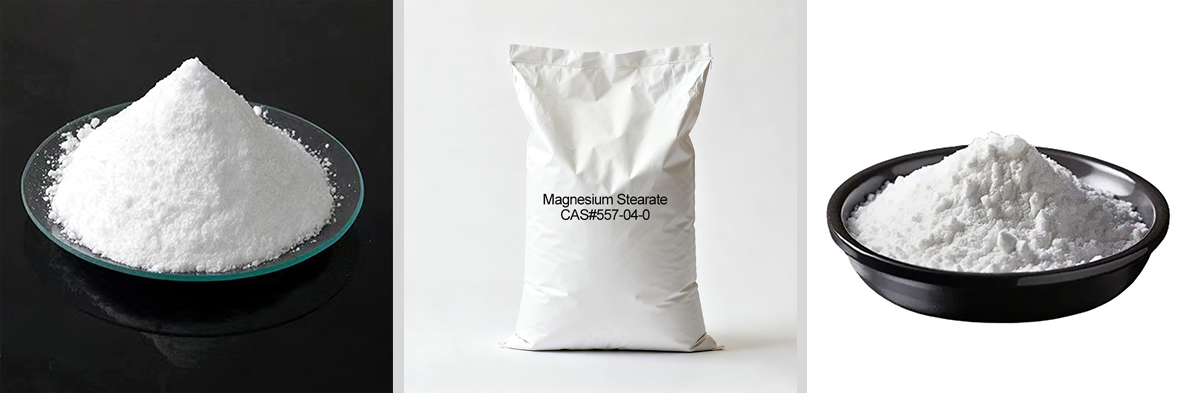
Magnesium stearate Chemical Properties
| Melting point | 200 °C (lit.) |
| density | 1.028g/cm3 |
| storage temp. | Inert atmosphere,Room Temperature |
| solubility | alcohol: insoluble |
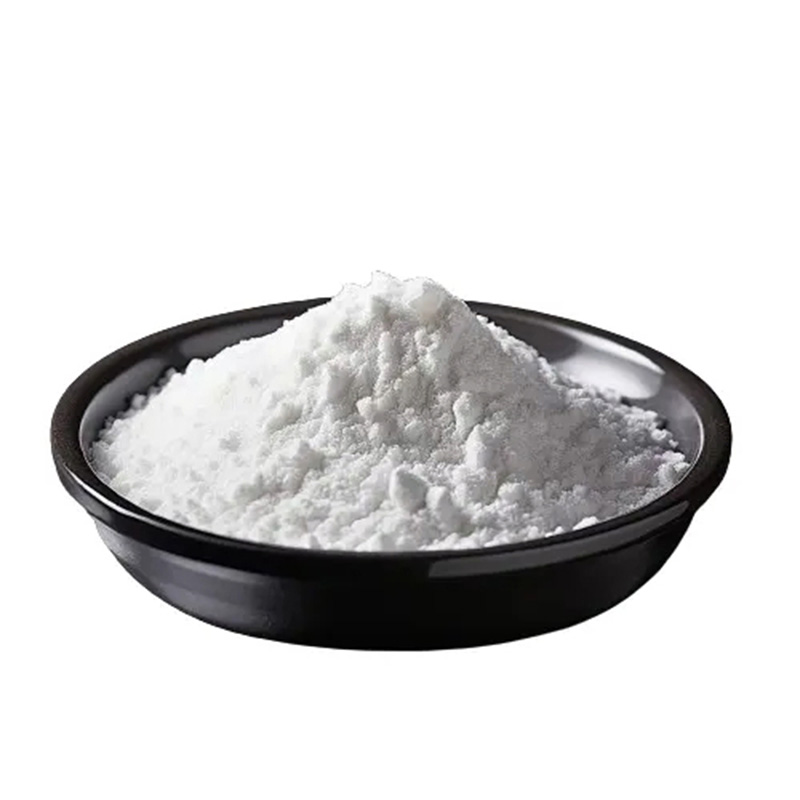
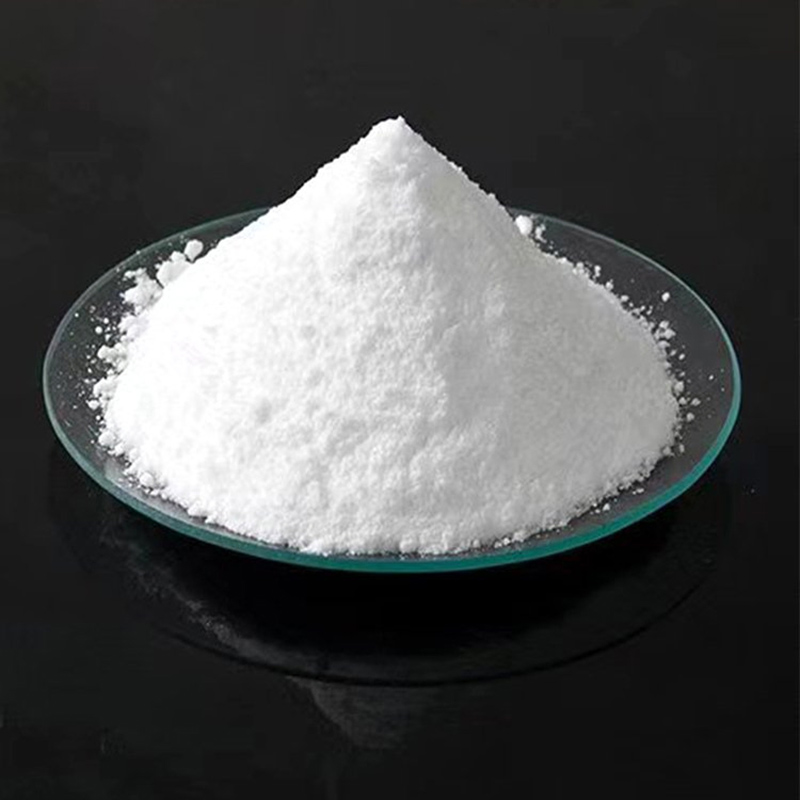
| form | Fine Powder |
| color | White |
| Odor | wh. soft oily powd., tasteless, odorless |
| PH | 7 (H2O) (slurry) |
| Water Solubility | Insoluble |
| Merck | 145690 |
| BRN | 3919702 |
| Exposure limits | ACGIH: TWA 10 mg/m3; TWA 3 mg/m3 |
| Stability: | Stable. Incompatible with strong oxidizing agents. |
| Cosmetics Ingredients Functions | MOISTURISING |
| ANTICAKING | |
| BULKING | |
| COLORANT | |
| InChIKey | DRJIJXNWSSRTTE-UHFFFAOYSA-M |
| LogP | 8.216 (est) |
| CAS DataBase Reference | 557-04-0(CAS DataBase Reference) |
| EPA Substance Registry System | Magnesium stearate (557-04-0) |
| Hazard Codes | Xi |
| Risk Statements | 36/37/38 |
| Safety Statements | 26-37/39 |
| WGK Germany | - |
| RTECS | WI4390000 |
| TSCA | Yes |
| HS Code | 29157030 |
| Hazardous Substances Data | 557-04-0(Hazardous Substances Data) |
| Toxicity | LD50 orally in Rabbit: > 2000 mg/kg |

Product Application of Magnesium Stearate CAS#557-04-0
Magnesium stearate is widely used as an anti-adherent and lubricant in the manufacture of pharmaceutical tablets, capsules, and powders.
Its excellent lubricating properties help prevent formulation ingredients from sticking to processing equipment during tablet compression, making it one of the most commonly used tablet lubricants in the pharmaceutical industry.
Studies have shown that magnesium stearate may influence the release time of active ingredients in tablets, while generally not affecting their overall bioavailability.
As a food additive and pharmaceutical excipient, it is identified by E number E470b.
In the food industry, magnesium stearate is also used as a binding agent in hard candies such as mints and is a common ingredient in infant formula products.
The product can be manufactured from both animal and vegetable oil sources, and some nutritional supplement formulations specifically require vegetable-derived magnesium stearate.
In addition, magnesium stearate is a major component of soap scum, commonly known as “bathtub rings”, formed when soap reacts with hard water along with calcium stearate to produce a white water-insoluble solid.