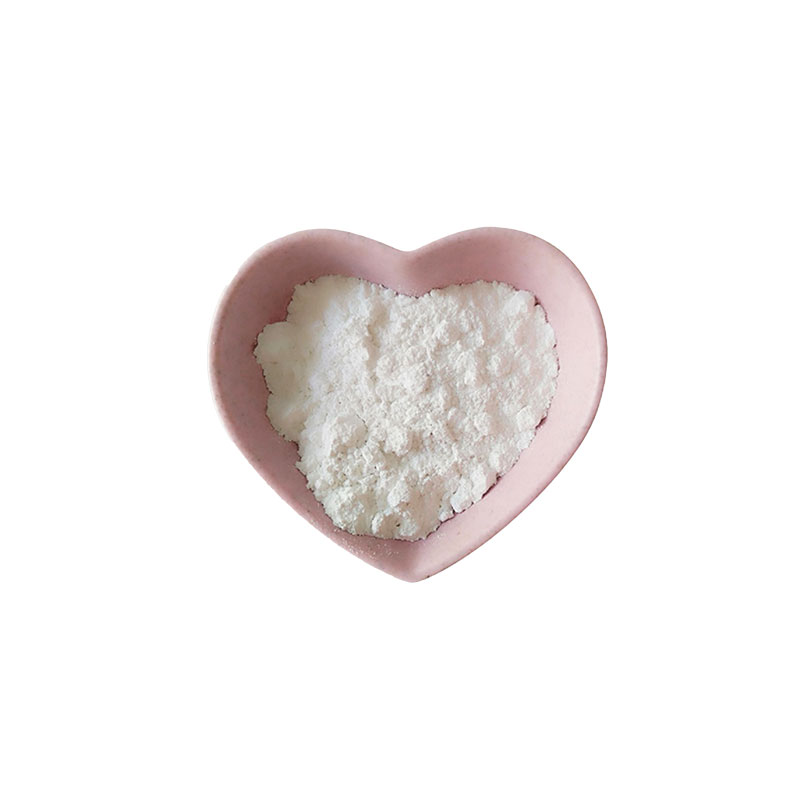

Stevioside CAS#57817-89-7
Natural and Zero-Calorie Sweetener – Stevioside is derived from stevia leaves and provides sweetness without adding calories.
Sucrose-Like Taste – Offers a taste profile similar to natural sugar, making it a preferred alternative to sucrose.
Food Industry Friendly – Preservative-free and widely used in low-calorie and anti-caries food products.
Globally Recognized and Sustainable – Approved by China’s Ministry of Health and recognized worldwide for its health benefits and potential in sustainable development.
Product Description of Stevioside CAS#57817-89-7
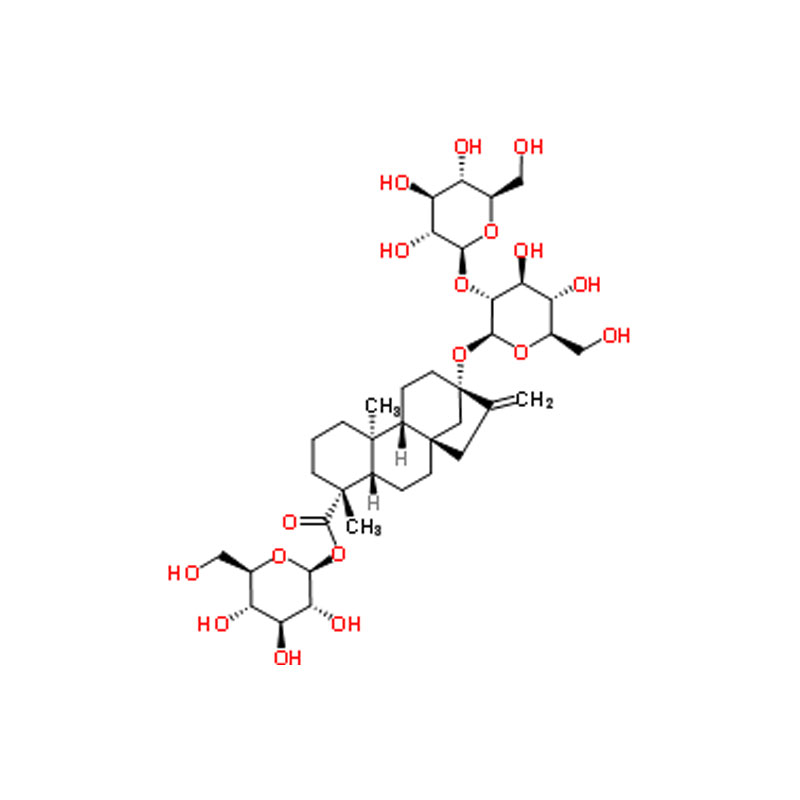
Stevioside is a diterpene glycoside extracted from stevia leaves and represents the main sweet component, most concentrated in mature leaves during the squaring growth stage. Approved by China’s Ministry of Health as a natural sweetener, it provides zero calories and a taste closely resembling natural sucrose, making stevia the world’s third largest sugar source after sugarcane and sugar beet.
Thanks to its preservative-free nature, stevioside is widely used in the food industry to produce low-calorie and anti-caries products. It is globally recognized for its health benefits and potential contribution to sustainable development.
Parameters
| Melting point | 198°C |
| alpha | D25 -39.3° (c = 5.7 in H2O) |
| Boiling point | 963.3±65.0 °C(Predicted) |
| density | 1.53±0.1 g/cm3(Predicted) |
| FEMA | 4728 | GLUCOSYL STEVIOL GLYCOSIDES |
| refractive index | -39.3 ° (C=6, H2O) |
| storage temp. | Sealed in dry,2-8°C |
| solubility | DMSO: soluble25mg/mL, clear |
| pka | 12.51±0.70(Predicted) |
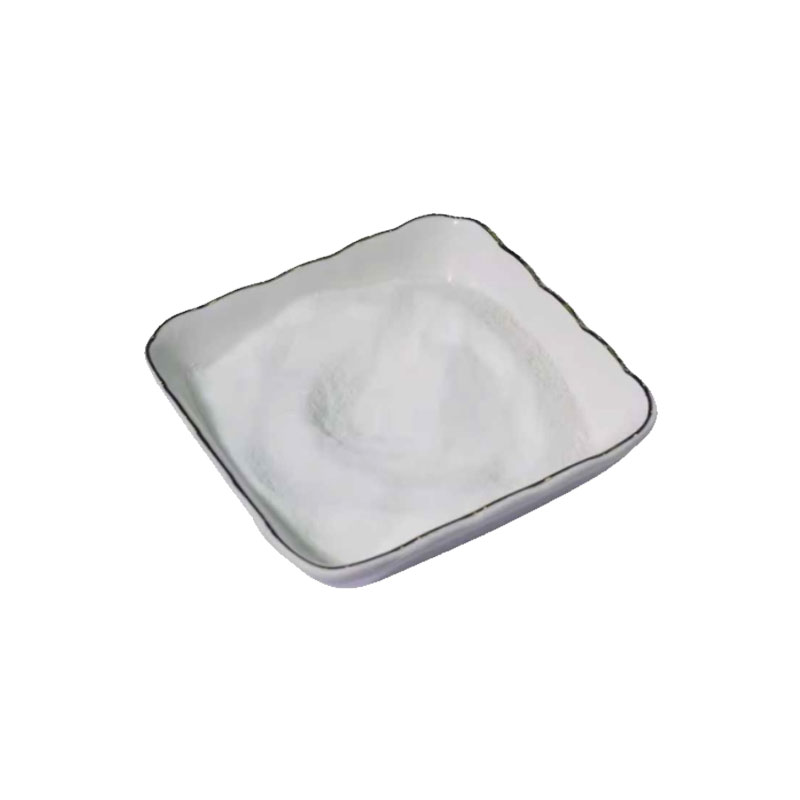
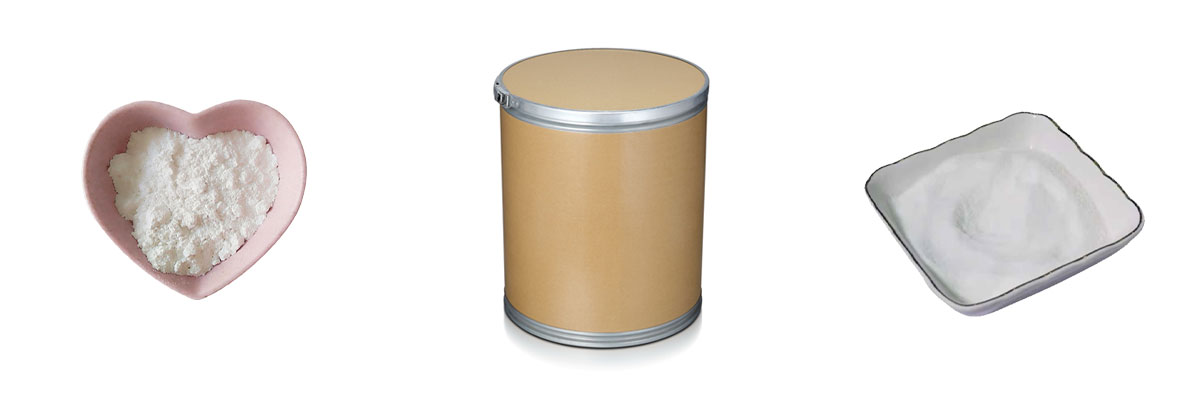
| form | powder |
| color | white |
| biological source | Stevia sp. |
| Merck | 148,810 |
| InChIKey | ZBXJPXVJLBZBLI-IJGGXEOMSA-N |
| LogP | 4.440 (est) |
| CAS DataBase Reference | 57817-89-7(CAS DataBase Reference) |
| Safety Statements | 22-24/25 |
| WGK Germany | 3 |
| RTECS | NZ8175000 |
| HS Code | 29389090 |

Product Application of Stevioside CAS#57817-89-7
Stevioside offers a refreshing sweetness approximately 200–300 times greater than that of sucrose. While it may have a slightly bitter taste at high concentrations, its sweet flavor persists in the mouth. As a natural sweetener, it is one of the closest alternatives to sucrose.
Used as a low-calorie food sweetener, stevioside can help reduce caloric intake. When substituting for sucrose, the recommended maximum usage is one-third to avoid any aftertaste. In accordance with GB2760-86 regulations, it is suitable for use in liquid and solid beverages, candies, and pastries under standard production conditions.
The product’s high molecular weight results in relatively low permeability. Toxicity studies show an oral LD50 greater than 8.2 g/kg in mice and rats, indicating a high safety margin.