
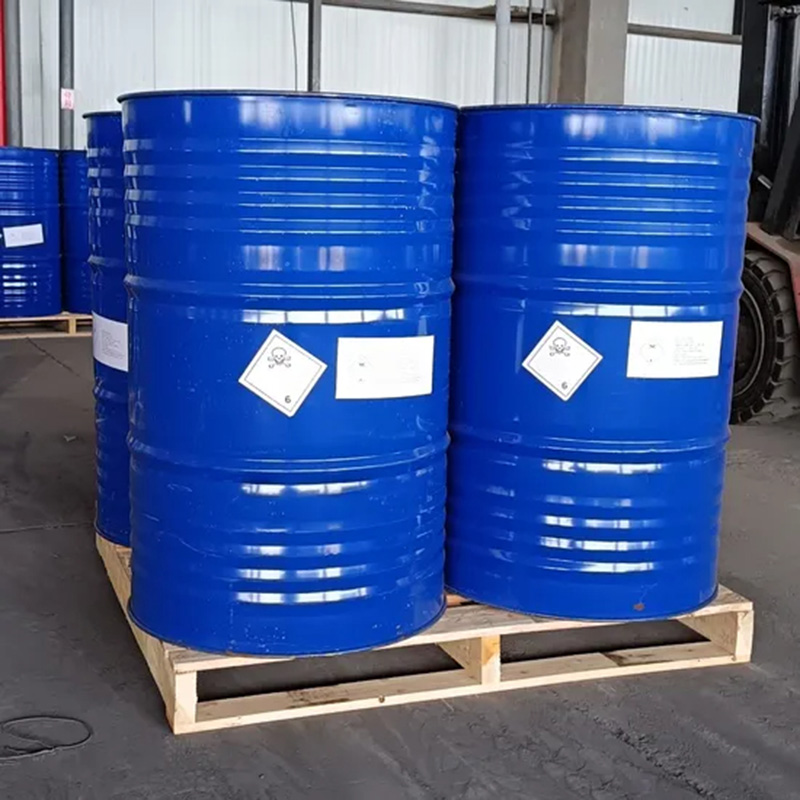
Tricresyl Phosphate CAS#1330-78-5
Effective Plasticizer – Widely used in the plastics industry to enhance the flexibility and workability of plastic materials.
Adjustable Material Properties – By varying the dosage, TCP can modify the flexibility, hardness, water resistance, and flammability of plastics.
Versatile Industrial Use – Applied in the treatment and recovery of phenol residues in gas plant wastewater.
Compatible with PVC Applications – Frequently used in polyvinyl chloride (PVC) formulations, sometimes at levels up to 50%, to improve processing and performance.
Products Description of Tricresyl Phosphate CAS#1330-78-5
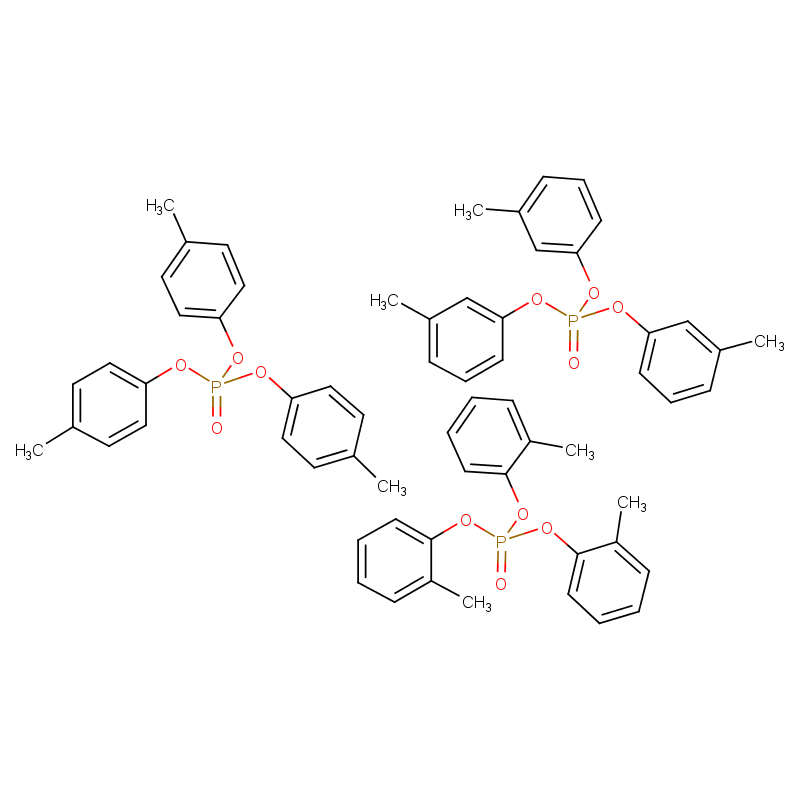
Tricresyl Phosphate (TCP) is a mixture of isomers with a slightly pungent odor. Among the three isomers, the ortho and meta forms exist as liquids, while the para isomer appears as a crystalline solid. TCP is typically produced by reacting cresol with phosphorus oxychloride in the presence of an aluminum catalyst.
It is used in the recovery of phenol residues from gas plant wastewater and is widely applied as a plasticizer in the plastics industry. Plasticizers are additives that enhance the flexibility of plastic materials, and by adjusting the amount added, properties such as flexibility, hardness, water resistance, and flammability can be significantly modified. In some formulations, up to 50% TCP may be added to polyvinyl chloride (PVC).
TCP is toxic to humans and animals and may cause neuropathy, paralysis of the hands and feet, or even death if ingested, inhaled, or absorbed through the skin.
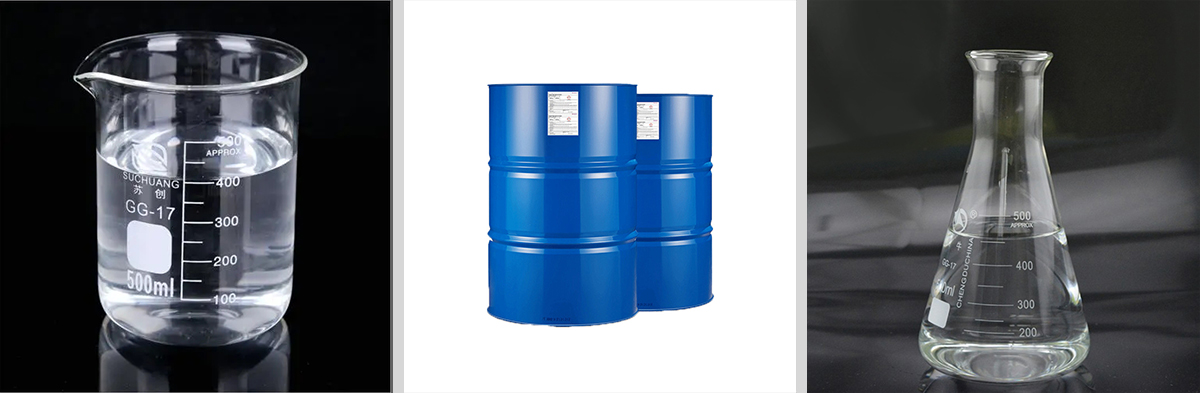
Parameters
| Melting point | <-40°C |
| Boiling point | 265 °C10 mm Hg(lit.) |
| Density | 1.143 g/mL at 25 °C(lit.) |
| Pour Point | -28 |
| Vapor pressure | 0.03 mm Hg ( 25 °C) |
| Refractive index | n20/D 1.555(lit.) |
| Fp | >230 °F |
| Storage temp | Store below +30°C. |
| Solubility | organic solvents: miscible(lit.) |
| Form | Powder |
| Color | White to off-white |
| Water Solubility | INSOLUBLE |
| Merck | 149763 |
| Dielectric constant | 4.0(80℃) |
| Stability | Stable. Incompatible with strong oxidizing agents. May soften some plastics. Hydrolyzes slowly under alkaline conditions. |
| InChIKey | ISNNXHQBIBWQHG-UHFFFAOYSA-N |
| LogP | 5.93 |
| Surface tension | 40.9mN/m at 20°C |
| CAS DataBase Reference | 1330-78-5(CAS DataBase Reference) |
| EPA Substance Registry System | Tricresyl phosphate (1330-78-5) |
Safety Information
| Hazard Codes | Xn,N,T |
| Risk Statements | 21/22-51/53-39/23/24/25-62-50/53 |
| Safety Statements | 28-61-45-28A-20/21-60-36/37 |
| RIDADR | UN 2574 6.1/PG 2 |
| WGK Germany | 2 |
| RTECS | TD0175000 |
| Autoignition Temperature | 770 °F |
| TSCA | Yes |
| HS Code | 2919 90 00 |
| HazardClass | 6.1 |
| PackingGroup | II |
| Hazardous Substances Data | 1330-78-5(Hazardous Substances Data) |
| Toxicity | cat,LD50,skin,1500mg/kg (1500mg/kg),BEHAVIORAL: ATAXIAPERIPHERAL NERVE AND SENSATION: FLACCID PARALYSIS WITHOUT ANESTHESIA (USUALLY NEUROMUSCULAR BLOCKAGE),Toxicology Letters. Vol. 1000(Sp, |

Product Application of Tricresyl Phosphate CAS#1330-78-5
Tricresyl Phosphate is used as a plasticizer in the production of vinyl plastics and as a flame retardant. It also functions as a solvent for nitrocellulose and is applied in cellulosic molding compositions. In addition, it serves as an additive in extreme-pressure lubricants and as a nonflammable fluid in hydraulic systems.
Other applications include its use as a lead scavenger in gasoline (Yust, Bame, US 2889212, 1959, assigned to Shell) and for sterilizing certain surgical instruments.