
L-Tryptophan CAS#73-22-3
Essential L-enantiomer form – L-tryptophan is the biologically active L-form of tryptophan, ensuring high bioavailability.
Supports mood wellness – Recognized for its role as an antidepressant-related compound, helping support emotional balance.
Nutraceutical and micronutrient value – Widely used as a nutraceutical ingredient and essential micronutrient in health formulations.
Broad biological relevance – Naturally involved as a metabolite in plants, humans, microorganisms, and animals, highlighting excellent biological compatibility.
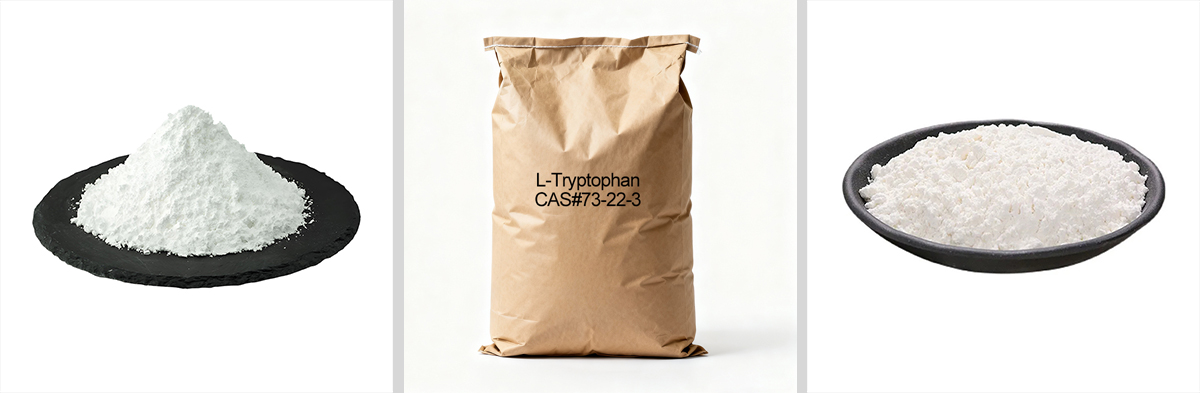
L-Tryptophan CAS#73-22-3
L-Tryptophan is the biologically active L-enantiomer of tryptophan. It functions as an antidepressant-related compound, a nutraceutical ingredient, and an essential micronutrient. In addition, it naturally occurs as a metabolite in plants, humans, Saccharomyces cerevisiae, Escherichia coli, and mice.
L-Tryptophan Chemical Properties
| Melting point | 289-290 °C (dec.)(lit.) |
| Alpha | -31.1 º (c=1, H20) |
| Boiling point | 342.72°C (rough estimate) |
| Density | 1.34 |
| bulk density | 400kg/m3 |
| refractive index | -32 ° (C=1, H2O) |
| storage temp. | 2-8°C |
| solubility | 20% NH3: 0.1 g/mL at 20 °C, clear, colorless |
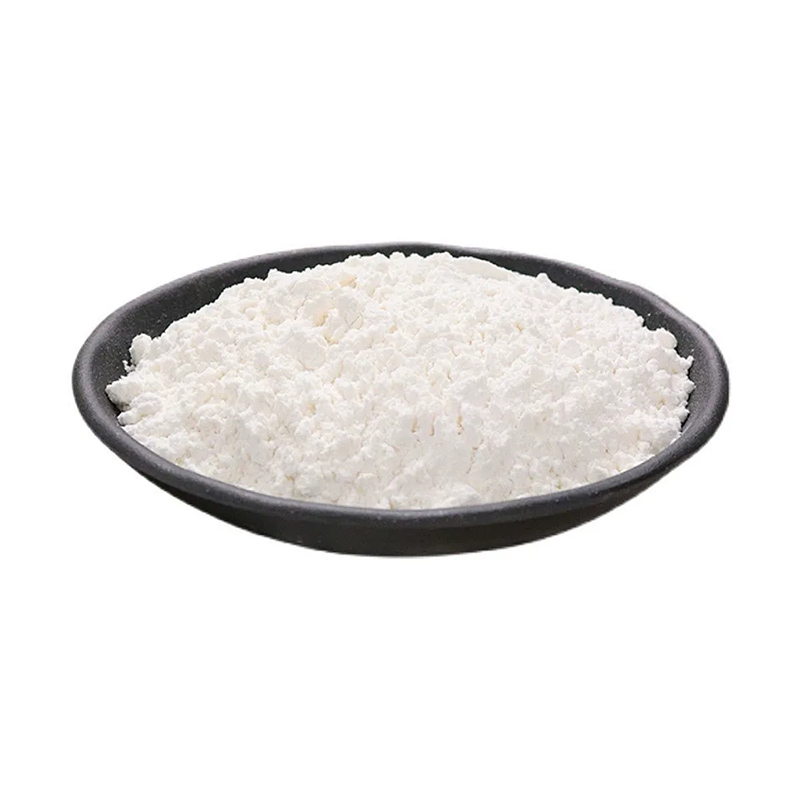
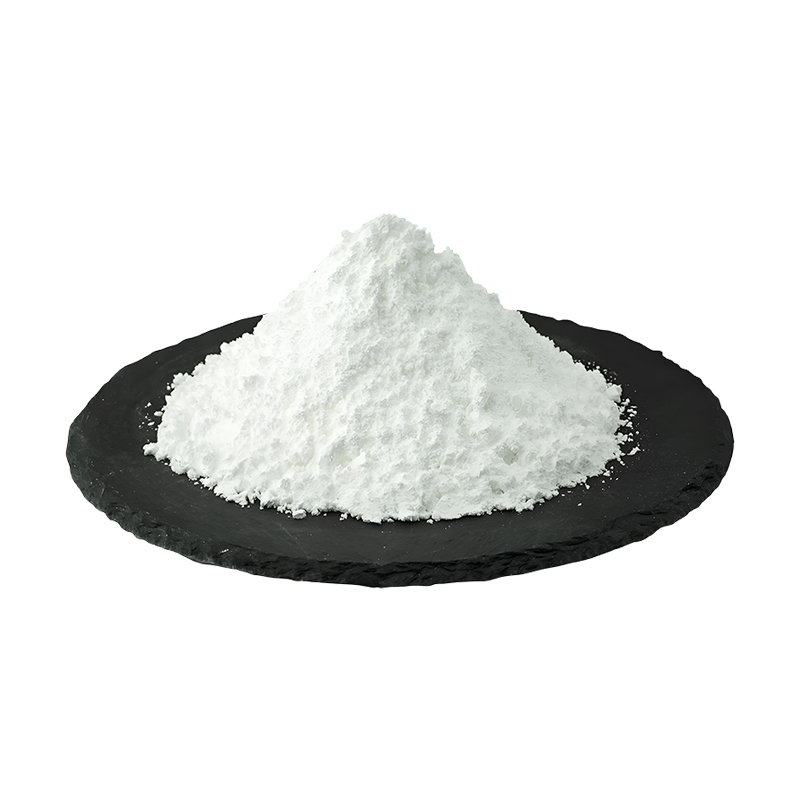
| form | powder |
| pka | 2.46(at 25℃) |
| color | White to yellow-white |
| PH | 5.5-7.0 (10g/l, H2O, 20℃) |
| Odor | wh. cryst. or cryst. odorless powd., sl. bitter taste |
| biological source | non-animal source |
| Optical Rotation | [α]20/D 31.5±1°, c = 1% in H2O |
| Water Solubility | 11.4 g/L (25 ºC) |
| Merck | 149797 |
| BRN | 86197 |
| Stability: | Stable. Incompatible with strong acids, strong oxidizing agents. |
| InChIKey | QIVBCDIJIAJPQS-VIFPVBQESA-N |
| LogP | 0.704 (est) |
| CAS DataBase Reference | 73-22-3(CAS DataBase Reference) |
| NIST Chemistry Reference | L-Tryptophan(73-22-3) |
| EPA Substance Registry System | L-Tryptophan (73-22-3) |
| Absorption | cut-off at 326nm in 0.5 M HCl at 0.5M |

Product Application of L-Tryptophan CAS#73-22-3
Amino Acid-Type Drug:
L-Tryptophan can be used in amino acid infusions and is often formulated together with iron and vitamins. When co-administered with vitamin B6, it may help improve depression and assist in the prevention or treatment of certain skin conditions. As a sleep-supporting sedative, it may also be combined with L-dopa in the treatment of Parkinson’s disease. Studies have shown carcinogenicity in experimental animals, and possible adverse reactions may include nausea, loss of appetite, and asthma. Combination with monoamine oxidase inhibitors should be avoided.