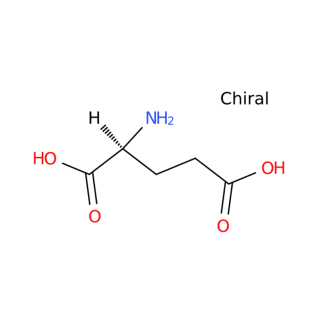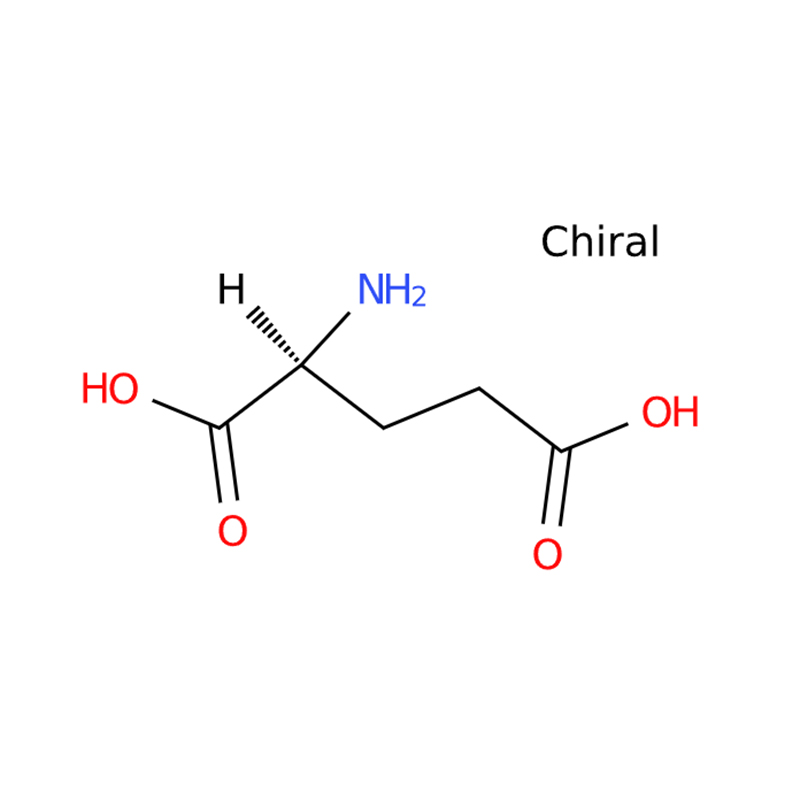
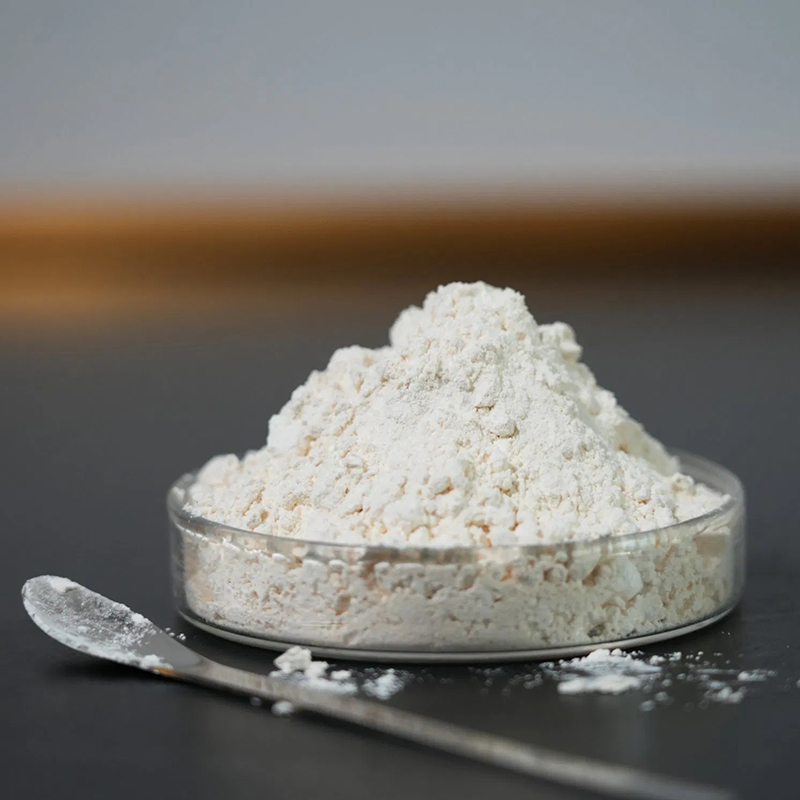
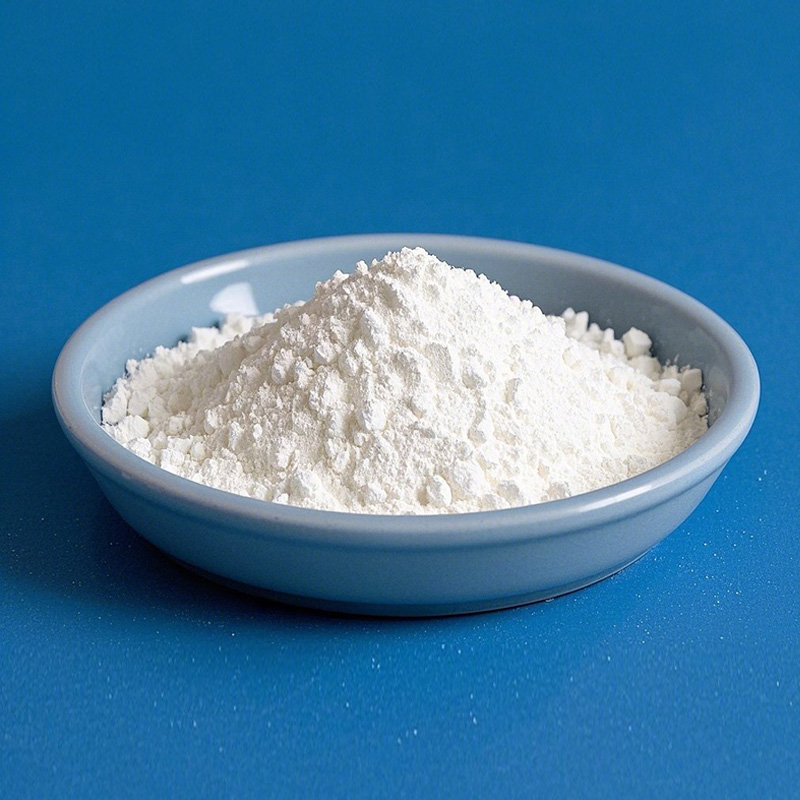



L-Glutamic Acid CAS#56-86-0
Naturally occurring amino acid – L-Glutamic acid is naturally present in both plant and animal proteins, ensuring excellent biological compatibility.
Mild savory taste profile – Features a gentle, slightly sweet, meat-like taste that enhances flavor applications.
Pleasant natural aroma – Has a faint aroma similar to yeast or freshly baked bread, contributing to sensory appeal.
Versatile functional ingredient – Suitable for use in food, nutrition, and biochemical formulations due to its natural protein origin.
L-Glutamic Acid CAS#56-86-0
L-Glutamic acid has a delicate aroma reminiscent of yeast or freshly baked bread, along with a mild, slightly sweet, meat-like taste. It is a naturally occurring amino acid found in both plant and animal proteins.
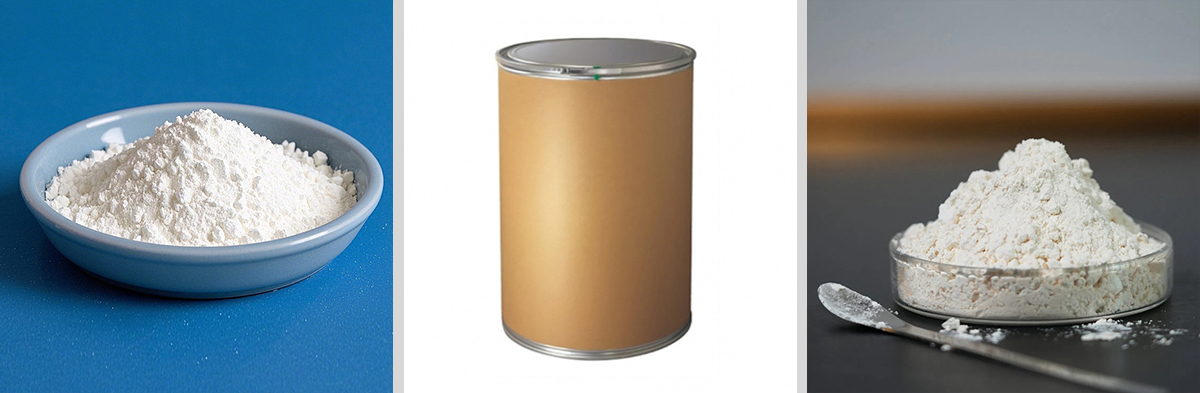
L-Glutamic acid Chemical Properties
| Melting point | 205 °C (dec.) (lit.) |
| alpha | 32 º (c=10,2N HCl) |
| Boiling point | 267.21°C (rough estimate) |
| bulk density | 460kg/m3 |
| density | 1.54 g/cm3 at 20 °C |
| FEMA | 3285 | L-GLUTAMIC ACID |
| refractive index | 1.4300 (estimate) |
| storage temp. | 2-8°C |
| solubility | 1 M HCl: 100 mg/mL |
| form | powder |
| pka | 2.13(at 25℃) |
| color | White |
| PH | 3.0-3.5 (8.6g/l, H2O, 25℃) |
| Odor | at 100.00 %. mild yeast baked bread |
| Odor Type | yeasty |
| biological source | non-animal source |
| Optical Rotation | [α]20/D +32°, c = 10 in 2 M HCl |
| Water Solubility | 7.5 g/L (20 ºC) |
| λmax | λ: 260 nm Amax: 0.1 |
| λ: 280 nm Amax: 0.1 | |
| Merck | 144469 |
| JECFA Number | 1420 |
| BRN | 1723801 |
| InChIKey | WHUUTDBJXJRKMK-VKHMYHEASA-N |
| LogP | -3.69 |
| CAS DataBase Reference | 56-86-0(CAS DataBase Reference) |
| NIST Chemistry Reference | L-Glutamic acid(56-86-0) |
| EPA Substance Registry System | L-Glutamic acid (56-86-0) |

Product Application of L-Glutamic Acid CAS#56-86-0
Food Industry:
As a key component of umami enhancers (such as those converted into sodium glutamate), L-Glutamic acid helps improve food flavor. It is also used in food preservation, texture enhancement, and as a nutritional fortifier in infant foods and health products.
Medical Field:
In pharmaceuticals, it is used in the preparation of drugs for the treatment of hepatic encephalopathy, neurasthenia, and other conditions. It can also serve as a component of compound amino acid infusions to help supplement essential amino acids for the human body.