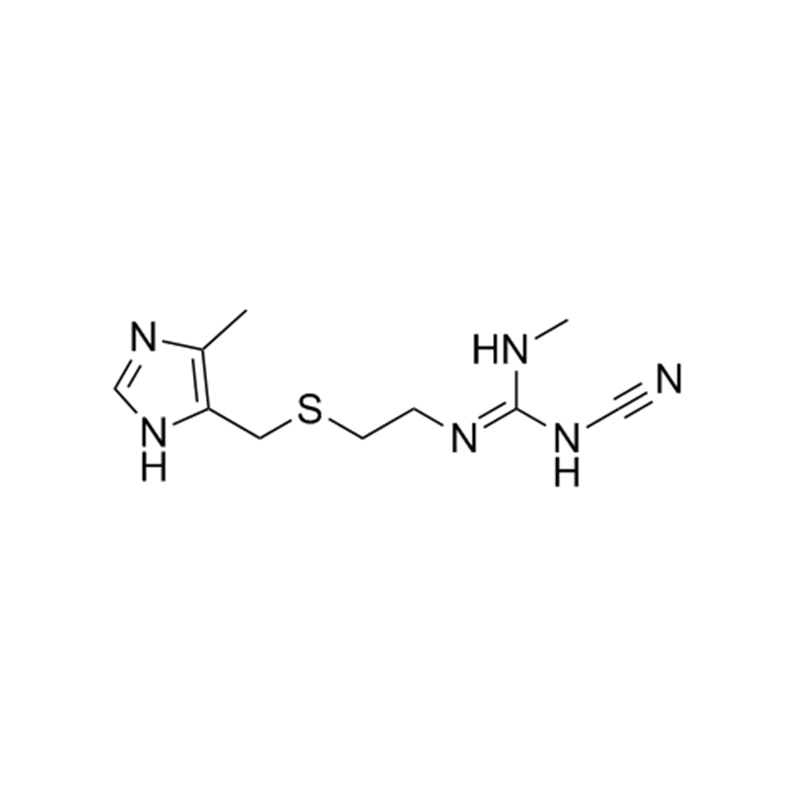
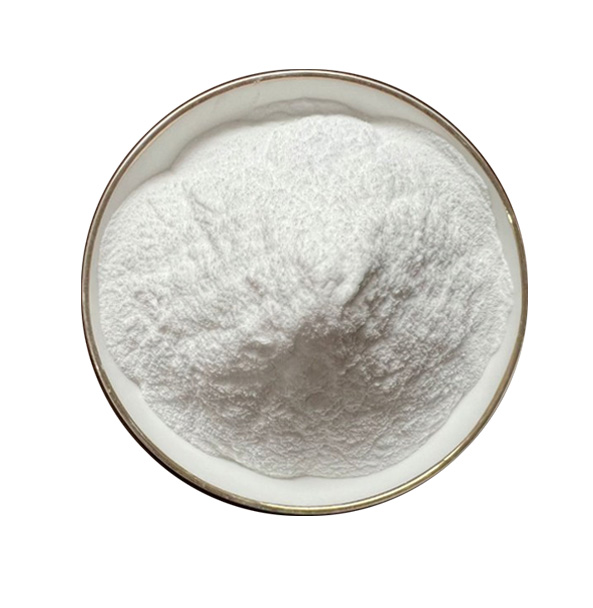
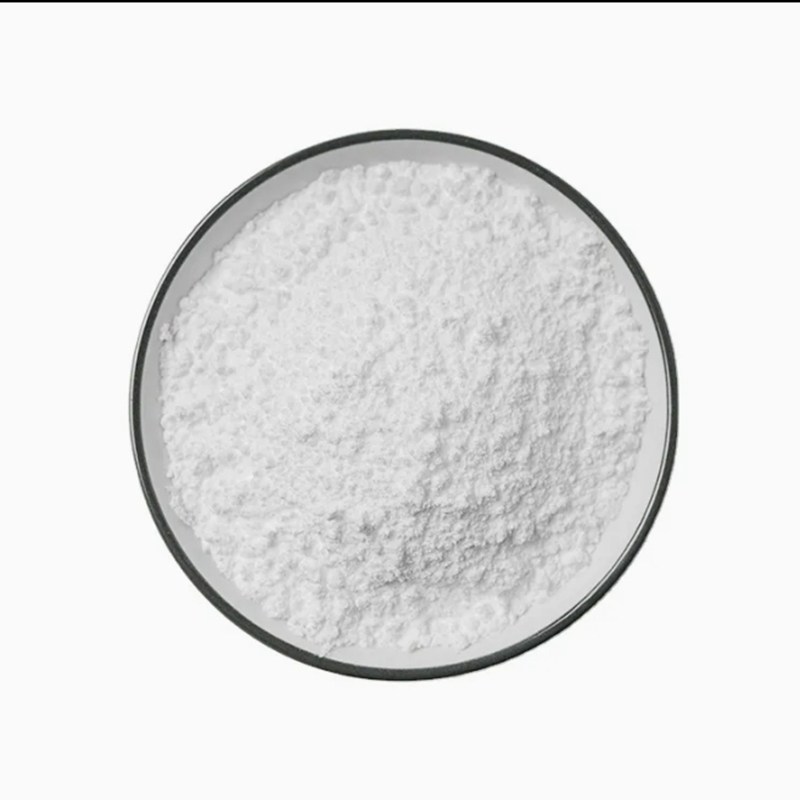



Cimetidine CAS#51481-61-9
Effective Gastric Acid Inhibition: As an H2 receptor antagonist, cimetidine significantly reduces gastric acid secretion and lowers acidity triggered by food, histamine, or pentagastrin.
Gastroprotective and Anti-Ulcer Activity: It provides preventive and protective effects against corrosive gastritis, and is effective in the treatment of gastric ulcers, duodenal ulcers, and upper gastrointestinal bleeding.
Multi-Functional Therapeutic Benefits: The product exhibits anti-androgen activity, offering therapeutic value in the management of conditions such as hirsutism.
Immune Modulation and Anti-Tumor Support: It can enhance immune response by reducing immunosuppressive cell activity, helping to inhibit tumor metastasis and prolong survival.
Product Description of Cimetidine CAS#51481-61-9
Cimetidine is an H2 receptor antagonist that effectively inhibits gastric acid secretion induced by food, histamine, or pentagastrin stimulation, while also reducing gastric acidity.
This product provides preventive and protective effects against corrosive gastritis caused by chemical irritation, and also shows significant efficacy in the management of stress-related gastric ulcers and upper gastrointestinal bleeding.
In addition, cimetidine exhibits anti-androgen activity, giving it certain therapeutic value in the treatment of hirsutism. It may also reduce the activity of immunosuppressive cells and enhance immune response, which can help inhibit tumor metastasis and prolong survival.
Clinically, it is widely used in the treatment of duodenal ulcers, gastric ulcers, and upper gastrointestinal bleeding.
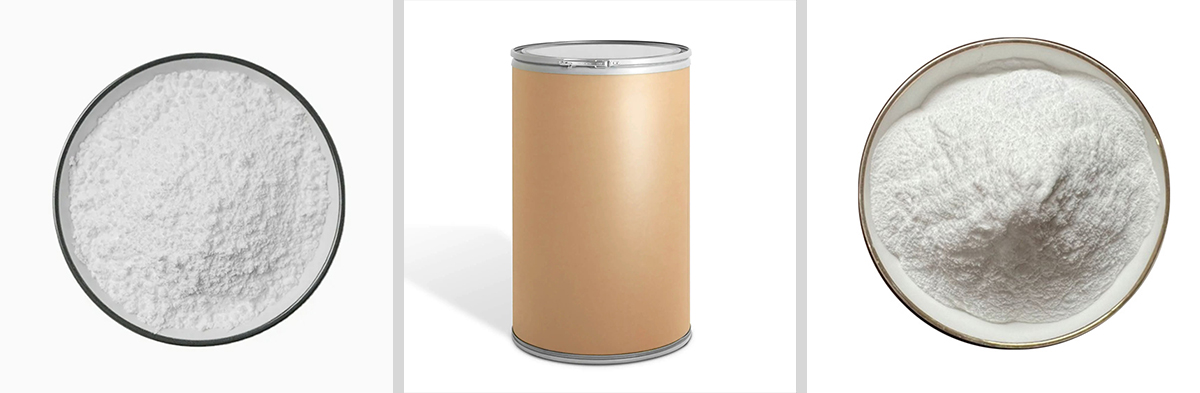
Parameters
| Melting point | 139-144°C |
| Boiling point | 476.2±55.0 °C(Predicted) |
| density | 1.2583 (rough estimate) |
| refractive index | 1.5700 (estimate) |
| storage temp. | 2-8°C |
| solubility | Slightly soluble in water, soluble in ethanol (96 per cent), practically insoluble in methylene chloride. It dissolves in dilute mineral acids. |
| form | Solid |
| pka | pKa 6.80 (Uncertain) |
| color | White to Off-White |
| Water Solubility | 0.5 g/100 mL at 20 ºC |
| Merck | 142279 |
| InChIKey | AQIXAKUUQRKLND-UHFFFAOYSA-N |
| CAS DataBase Reference | 51481-61-9(CAS DataBase Reference) |
| NIST Chemistry Reference | Cimetidine(51481-61-9) |
| IARC | 3 (Vol. 50) 1990 |
| EPA Substance Registry System | Guanidine, N-cyano-N'-methyl-N''-[2-[[(5-methyl-1H-imidazol-4-yl)methyl]thio]ethyl]- (51481-61-9) |
| Hazard Codes | T,Xn |
| Risk Statements | 60-42/43-36/37/38-20/22 |
| Safety Statements | 53-26-36/37/39-45-36-22 |
| WGK Germany | 3 |
| RTECS | MF0035500 |
| HS Code | 29339900 |
| Hazardous Substances Data | 51481-61-9(Hazardous Substances Data) |
| Toxicity | LD50 in mice, rats (mg/kg): 2600, 5000 orally; 150, 106 i.v.; 470, 650 i.p. (Brimblecombe) |

Product Description Application of Cimetidine CAS#51481-61-9
Cimetidine, first introduced in 1975, was the first selective H2 receptor antagonist developed for the treatment of peptic ulcers. Its primary pharmacological action is to inhibit gastric acid secretion and reduce gastric acidity, making it highly effective in acid-related gastrointestinal disorders.
It also provides preventive and protective effects against corrosive gastritis caused by chemical irritation, and demonstrates clear therapeutic efficacy in the treatment of stress-related gastric ulcers and upper gastrointestinal bleeding.
As a histamine H2 receptor antagonist, cimetidine inhibits gastric acid secretion stimulated by histamine, and also suppresses acid secretion induced by food, pentagastrin, caffeine, insulin, as well as basal gastric acid secretion. It is widely used in the treatment of gastric ulcers, duodenal ulcers, peptic esophagitis, and Zollinger–Ellison syndrome.
In addition to its anti-ulcer activity, cimetidine also functions as an I1 imidazoline receptor agonist. It may help prevent cancer cell metastasis by inhibiting selectin expression on endothelial cell surfaces, thereby reducing the adhesion of tumor cells.