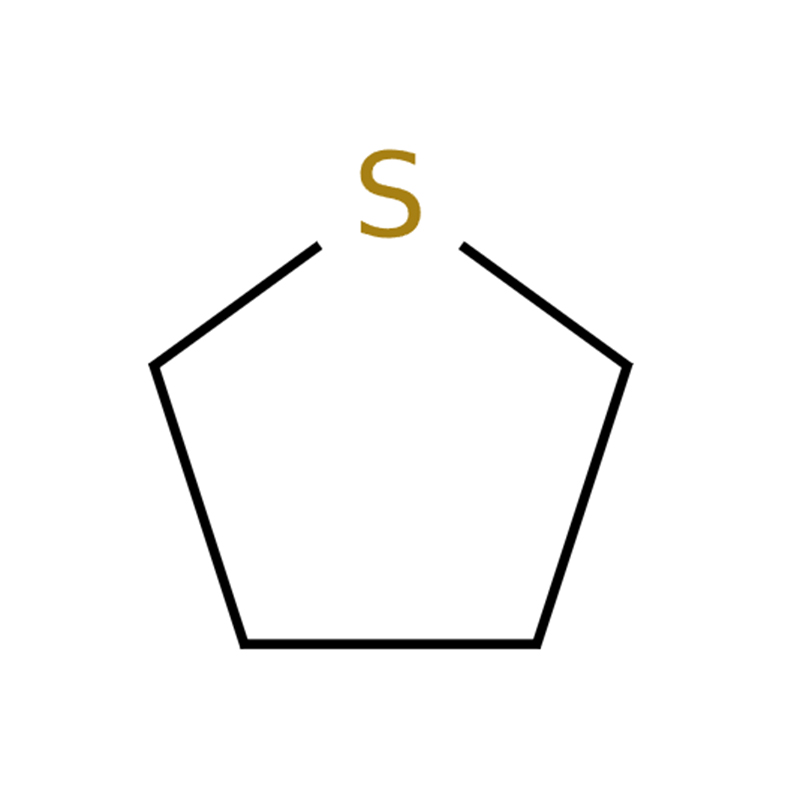

Tetrahydrothiophene CAS#110-01-0
Excellent Odor Detection Performance: Tetrahydrothiophene can be detected in air at concentrations as low as 0.01 ppm, providing highly effective leak-warning performance.
Stable and Long-Lasting Odorant: It offers good chemical stability and is not easily lost by volatilization, ensuring reliable long-term odorization in gas systems.
Non-Corrosive to Equipment and Pipelines: The product is non-corrosive to gas equipment, transportation pipeline gaskets, and related materials, helping protect infrastructure integrity.
No Olfactory Fatigue Risk: It does not cause habitual desensitization of the human sense of smell, making it a safer and more dependable odorant for LPG and natural gas applications.
Product Description of Tetrahydrothiophene CAS#110-01-0
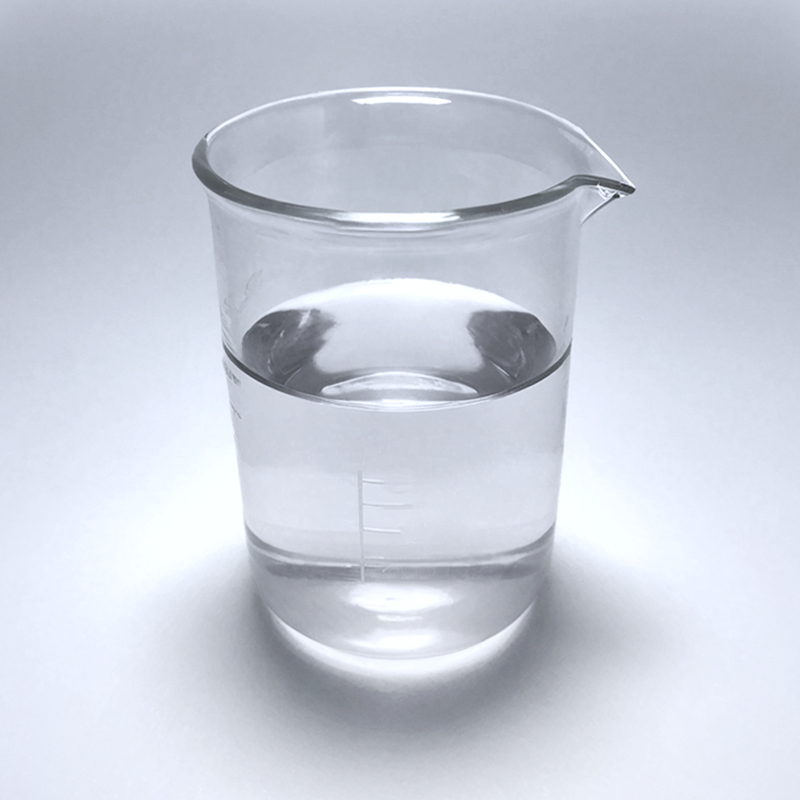
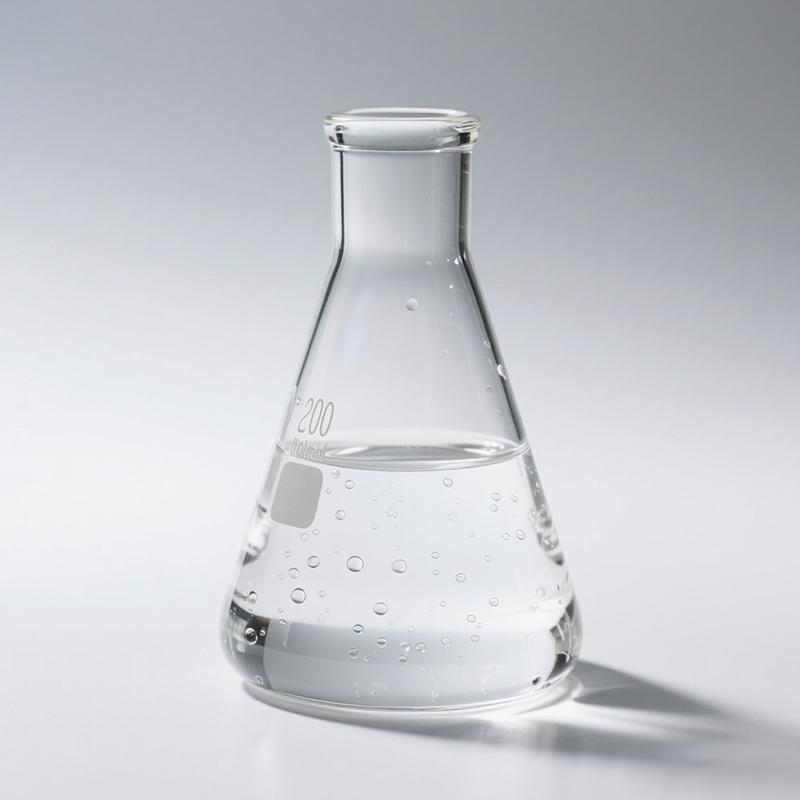
Tetrahydrothiophene is a cyclic thioalkane and the saturated analog of thiophene. It appears as a colorless, transparent, volatile liquid, insoluble in water but miscible with ethanol, ether, benzene, and acetone.
The product has a strong, distinctive odor and offers excellent stability with low volatilization loss. Its odor can be detected in air at concentrations as low as 0.01 ppm, making it highly effective for leak detection applications.
It is non-corrosive to gas equipment, transportation pipeline gaskets, and related materials, and does not cause olfactory desensitization during repeated exposure. For these reasons, tetrahydrothiophene is widely used as an odorant for LPG and natural gas systems, serving as an advanced alternative to traditional agents such as ethyl mercaptan.
Tetrahydrothiophene Chemical Properties
| Melting point | -96 °C (lit.) |
| Boiling point | 119 °C (lit.) |
| density | 1 g/mL at 25 °C (lit.) |
| vapor pressure | 18 mm Hg ( 25 °C) |
| refractive index | n20/D 1.504(lit.) |
| Fp | 55 °F |
| storage temp. | Store below +30°C. |
| solubility | immiscible |
| form | liquid |
| Specific Gravity | 1.002 (20/4℃) |
| color | Colorless to Almost colorless |
| Odor | Smells of rotting eggs |
| PH | 7 (H2O, 20℃) |
| explosive limit | 1.1-12.1%(V) |
| Odor Threshold | 0.00062ppm |
| Odor Type | sulfurous |
| Water Solubility | immiscible |
| Merck | 149218 |
| BRN | 102392 |
| Dielectric constant | 8.61 |
| Stability: | Highly flammable. Vapour-air mixtures explosive in some proportions; note low flash point and fairly wide explosion limit range. Heavier than air, so potentially explosive mixtures may travel considerable distances to source of ignition. |
| LogP | 1.8 at 20℃ |
| CAS DataBase Reference | 110-01-0(CAS DataBase Reference) |
| NIST Chemistry Reference | Thiophene, tetrahydro-(110-01-0) |
| EPA Substance Registry System | Tetrahydrothiophene (110-01-0) |
Safety Information
| Hazard Codes | F,Xn |
| Risk Statements | 11-20/21/22-36/38-52/53 |
| Safety Statements | 16-23-36/37-61 |
| RIDADR | UN 2412 3/PG 2 |
| WGK Germany | 2 |
| RTECS | XN0370000 |
| Autoignition Temperature | 202 °C |
| TSCA | Yes |
| HazardClass | 3 |
| PackingGroup | II |
| HS Code | 29349990 |
| Hazardous Substances Data | 110-01-0(Hazardous Substances Data) |
| Toxicity | LD50 by inhalation in mice: 26.7 mg/l (Carlucci) |
Product Application of Tetrahydrothiophene CAS#110-01-0
Tetrahydrothiophene is widely used as a solvent and fuel gas odorant, particularly in fire safety warning systems for underground mines, where its strong and easily detectable odor supports reliable leak and hazard identification.
In addition to industrial gas applications, tetrahydrothiophene has also been utilized as an organocatalyst in organic synthesis, specifically in the reaction of enynediones with benzoic acid to produce highly substituted furfuryl alcohol benzoates.