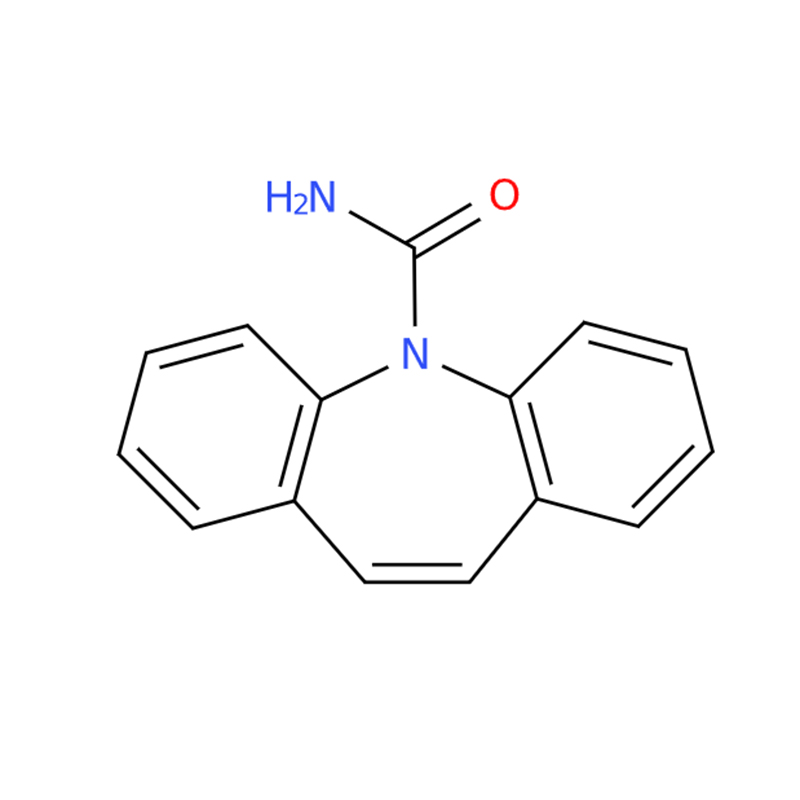
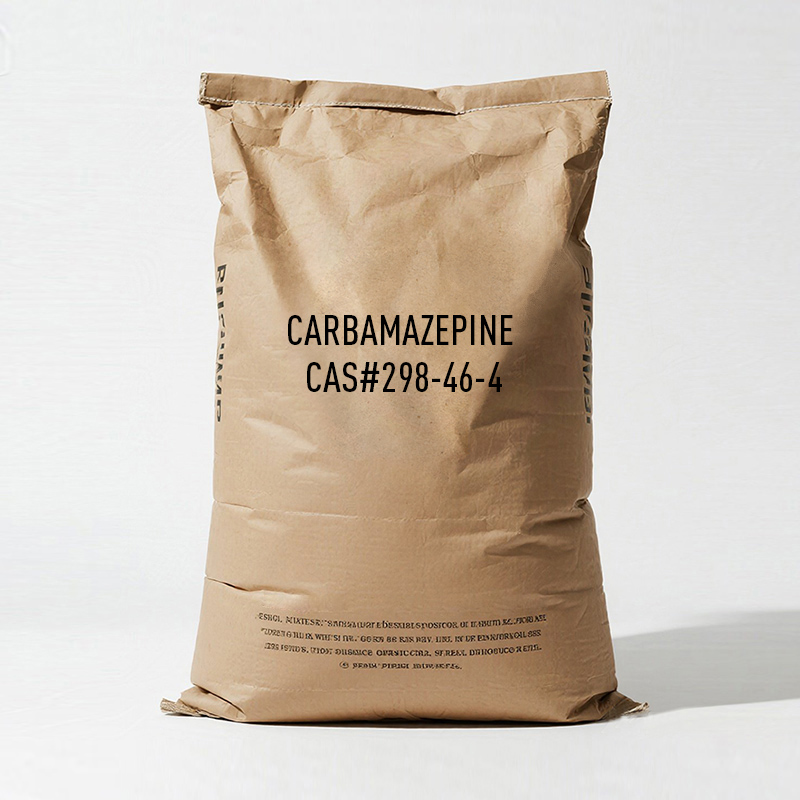

Carbamazepine CAS#298-46-4
Broad Antiepileptic Efficacy: Carbamazepine is effective in managing psychomotor seizures, grand mal seizures, localized seizures, and mixed seizure types, offering broad therapeutic coverage.
Superior Peripheral Neuropathy Support: Compared with phenytoin sodium, it provides better therapeutic performance in the treatment of peripheral neuropathy.
Effective Neuralgia Treatment: It is widely used for the management of trigeminal neuralgia and glossopharyngeal neuralgia, delivering reliable pain-relief benefits.
Versatile Clinical Applications: In addition to epilepsy treatment, carbamazepine can also be applied in arrhythmia and diabetes insipidus management, highlighting its multifunctional pharmaceutical value.
Product Description of Carbamazepine CAS#298-46-4
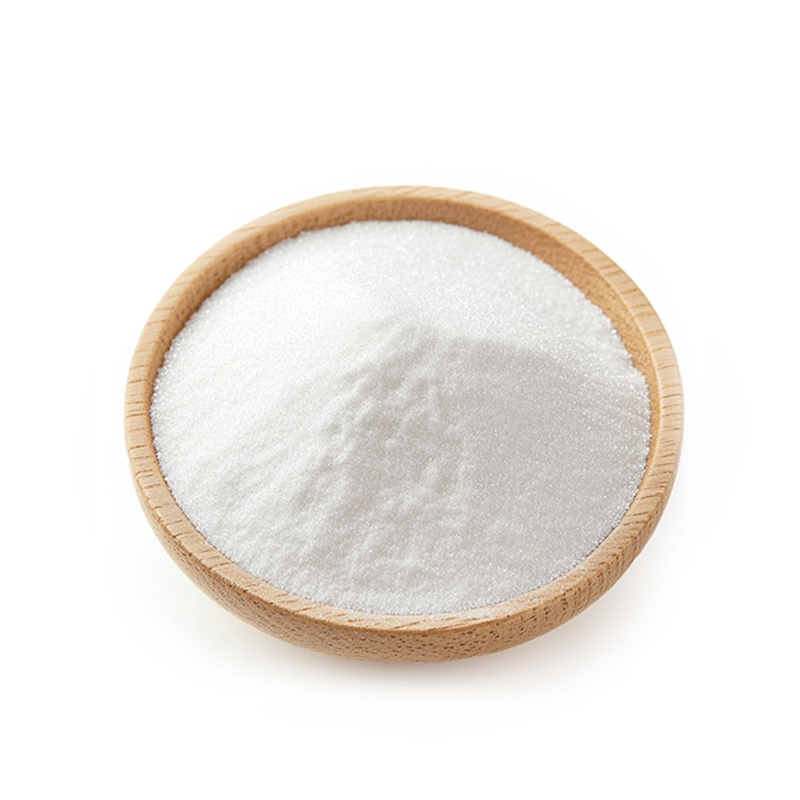
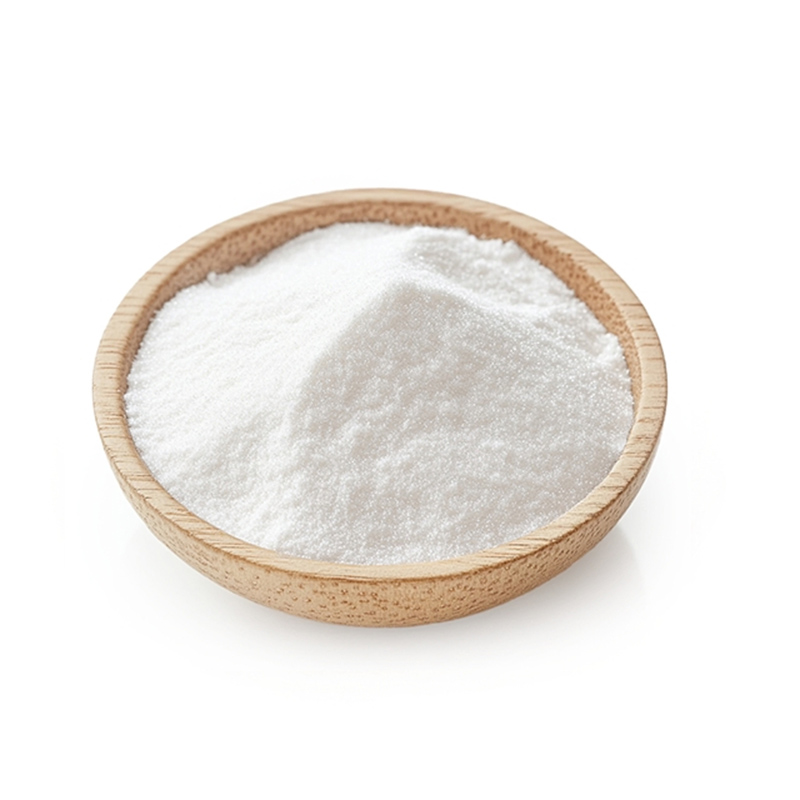
Carbamazepine is a white or off-white crystalline powder belonging to the dibenzazepine class of antiepileptic drugs. It exhibits antiepileptic effects similar to phenytoin sodium and is particularly effective in the treatment of psychomotor seizures. It is also effective for grand mal seizures, localized seizures, and mixed seizure types.
Compared with phenytoin sodium, carbamazepine demonstrates better efficacy in the treatment of peripheral neuropathy. It is also widely used for the management of trigeminal neuralgia and glossopharyngeal neuralgia. In addition, this product can be applied in the treatment of arrhythmias and diabetes insipidus, highlighting its versatile pharmaceutical applications.
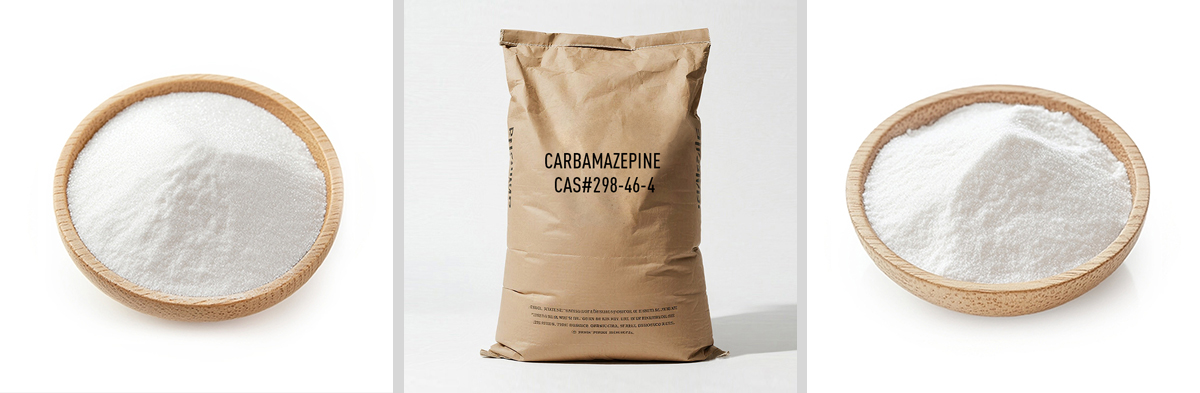
Parameters
| Melting point | 191-192 °C (lit.) |
| Boiling point | 378.73°C (rough estimate) |
| density | 1.1099 (rough estimate) |
| refractive index | 1.5906 (estimate) |
| Fp | 9℃ |
| storage temp. | 2-8°C |
| solubility | 45% (w/v) aq 2-hydroxypropyl-β-cyclodextrin: soluble29mg/mL |
| form | Crystals |
| pka | 13.94±0.20(Predicted) |
| color | Almost white |
| Water Solubility | pract. insoluble |
| Merck | 141781 |
| BCS Class | 2 |
| LogP | 2.45 |
| CAS DataBase Reference | 298-46-4(CAS DataBase Reference) |
| NIST Chemistry Reference | Carbamazepine(298-46-4) |
| EPA Substance Registry System | 5H-Dibenz[b,f]azepine-5-carboxamide (298-46-4) |
Safety Information
| Hazard Codes | Xn,T,F |
| Risk Statements | 42/43-22-20/21/22-39/23/24/25-23/24/25-11 |
| Safety Statements | 37-24-22-36/37/39-36-45-36/37-16 |
| RIDADR | UN1230 - class 3 - PG 2 - Methanol, solution |
| WGK Germany | 2 |
| RTECS | HN8225000 |
| HS Code | 29339900 |
| Hazardous Substances Data | 298-46-4(Hazardous Substances Data) |
| Toxicity | LD50 orally in mice, rats: 3750, 4025 mg/kg (Stenger, Roulet) |

Product Application of Carbamazepine CAS#298-46-4
Carbamazepine belongs to the dibenzazepine class of antiepileptic drugs and exhibits antiepileptic effects similar to phenytoin sodium. It is particularly effective in the treatment of psychomotor seizures, while also showing efficacy against grand mal seizures, localized seizures, and mixed seizure types.
Compared with phenytoin sodium, this product demonstrates better performance in the treatment of peripheral neuropathy and can also be used for trigeminal neuralgia and glossopharyngeal neuralgia. In addition, it is applicable in the treatment of arrhythmias and diabetes insipidus. The oral LD50 is 3750 mg/kg in mice and 4025 mg/kg in rats.
As an anticonvulsant, it is widely used for the treatment of grand mal seizures and psychomotor epilepsy, and it is also effective in the management of trigeminal neuralgia. In research and pharmaceutical applications, carbamazepine also functions as a ligand for benzodiazepine regulatory sites of GABAA receptors and as a sodium ion channel inhibitor.