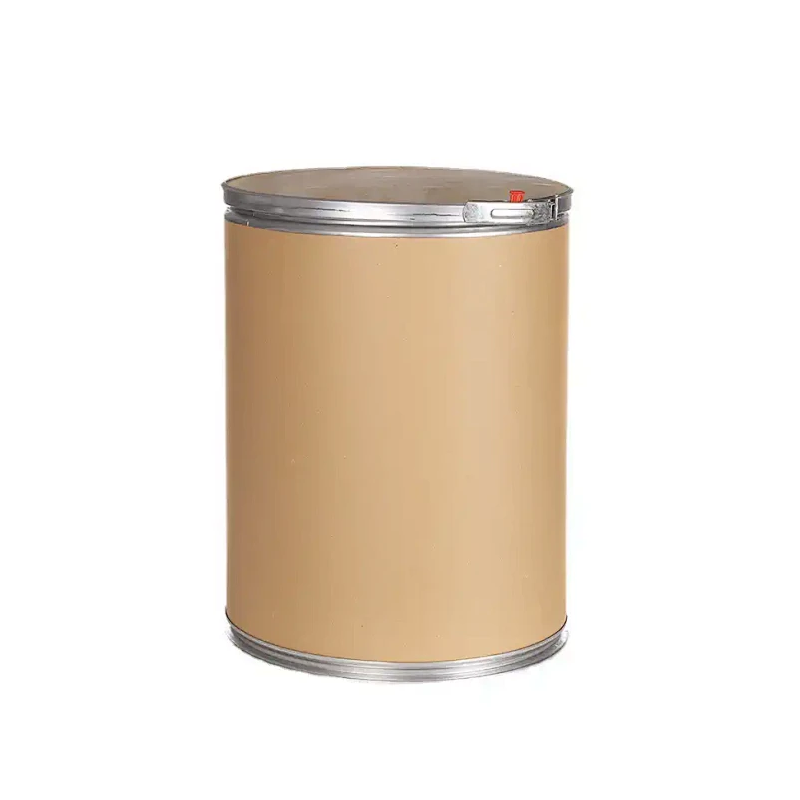

Ascorbic Acid CAS#50-81-7
Essential Nutrient for Human Health – Vitamin C is a vital nutrient that humans cannot synthesize and must obtain from dietary sources.
Powerful Antioxidant Protection – Acts as an effective antioxidant to help protect the body against oxidative damage.
Supports Enzymatic Functions – Functions as a coenzyme, contributing to important metabolic and biochemical processes.
Prevents Deficiency Disorders – Adequate intake helps prevent vitamin C deficiency and conditions such as scurvy.
Product Description of Ascorbic Acid CAS#50-81-7
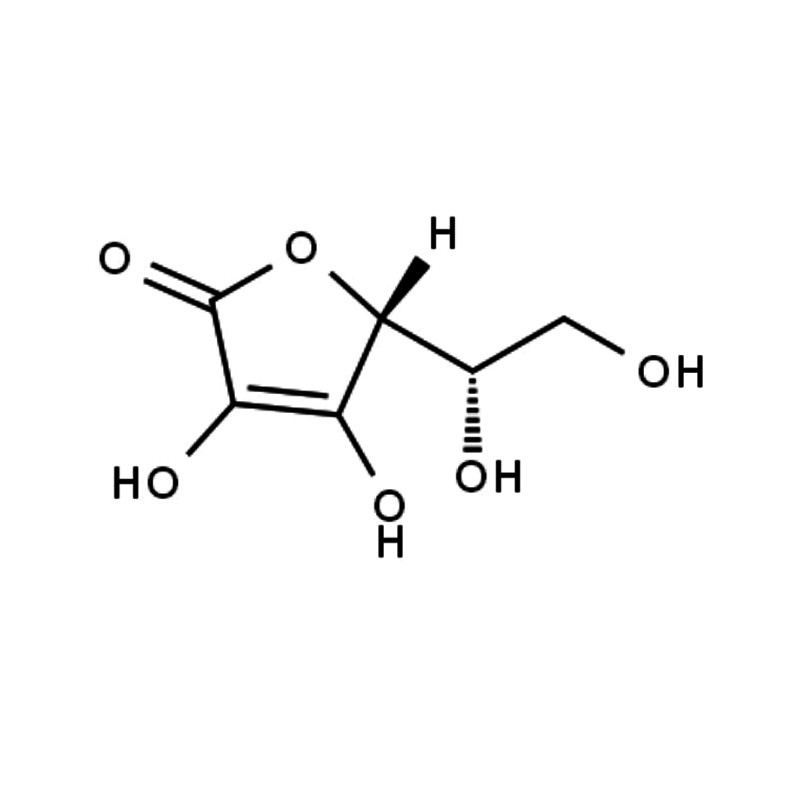
Vitamin C, also known as L-ascorbic acid, is an essential nutrient for humans and certain other organisms. While most species can synthesize ascorbic acid through metabolism, humans cannot and must obtain it from external sources. Deficiency of vitamin C is well known to cause scurvy.
Pharmacologically, vitamin C functions as the ascorbate ion. In the body, it acts as a powerful antioxidant, helping protect cells from oxidative damage, and also serves as a coenzyme in various important metabolic reactions.
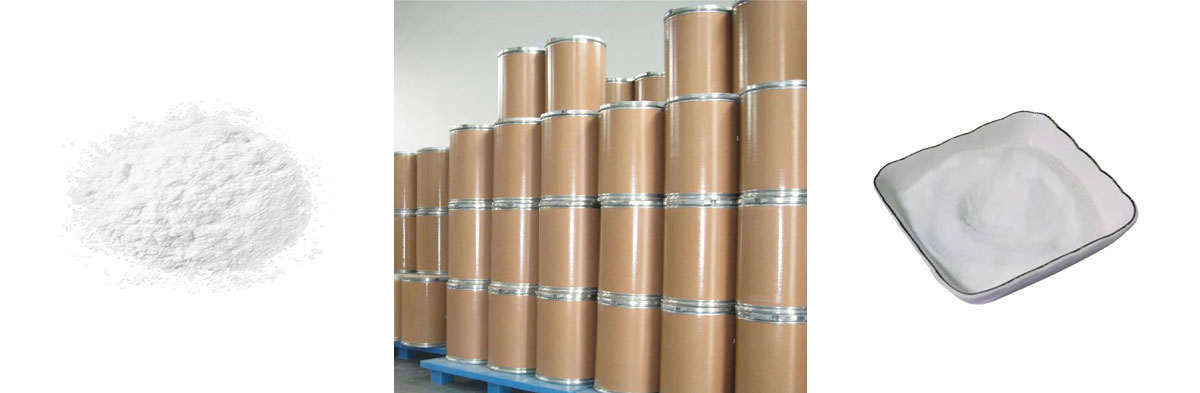
Parameters
| Melting point | 190-194 °C (dec.) |
| alpha | 20.5 º (c=10,H2O) |
| Boiling point | 227.71°C (rough estimate) |
| density | 1,65 g/cm3 |
| FEMA | 2109 | ASCORBIC ACID |
| refractive index | 21 ° (C=10, H2O) |
| storage temp. | Store at +5°C to +30°C. |
| solubility | H2O: 50 mg/mL at 20 °C, clear, nearly colorless |
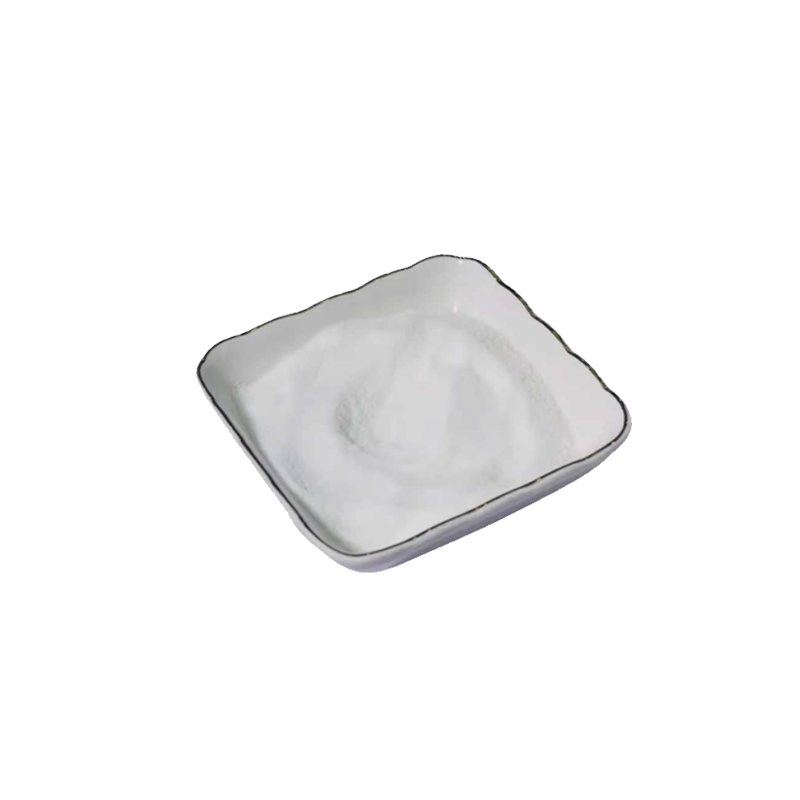
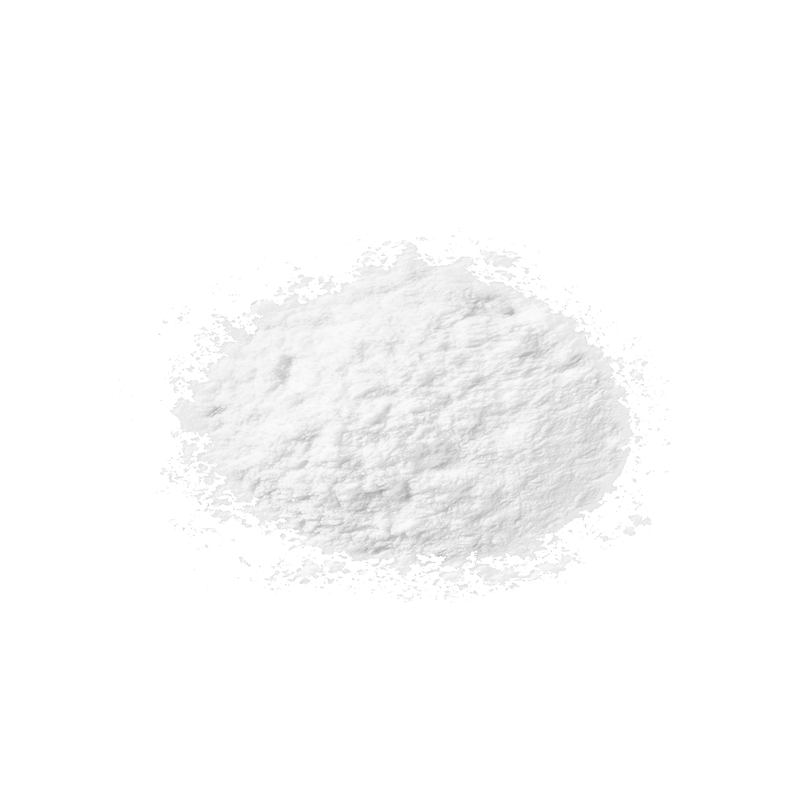
| form | powder |
| pka | 4.04, 11.7(at 25℃) |
| color | white to slightly yellow |
| PH | 3.59(1 mM solution);3.04(10 mM solution);2.53(100 mM solution); |
| Odor | Odorless |
| PH Range | 1 - 2.5 |
| biological source | synthetic (organic) |
| Odor Type | green |
| optical activity | [α]25/D 19.0 to 23.0°, c = 10% in H2O |
| Water Solubility | 333 g/L (20 ºC) |
| Merck | 14830 |
| BRN | 84272 |
| BCS Class | 1 |
| Stability: | Stable. May be weakly light or air sensitive. Incompatible with oxidizing agents, alkalies, iron, copper. |
| InChIKey | CIWBSHSKHKDKBQ-JLAZNSOCSA-N |
| LogP | -1.85 |
| CAS DataBase Reference | 50-81-7(CAS DataBase Reference) |
| NIST Chemistry Reference | L-Ascorbic acid(50-81-7) |
| EPA Substance Registry System | Ascorbic acid (50-81-7) |
| Absorption | cut-off at 306nm in H2O at 1M |
Safety Information
| Hazard Codes | |
| Risk Statements | |
| Safety Statements | 24/25-36-26 |
| WGK Germany | 1 |
| RTECS | CI7650000 |
| TSCA | Yes |
| HS Code | 29362700 |
| Hazardous Substances Data | 50-81-7(Hazardous Substances Data) |
| Toxicity | LD50 oral in rat: 11900mg/kg |

Product Applications of Ascorbic Acid CAS#50-81-7
Vitamin C plays an important role in human metabolism, promoting growth and enhancing resistance to disease. It is widely used as a food nutrient fortifier, with regulated application levels in candies, cereals, infant foods, canned fruits, beverages, and fruit purées. It is also valued for its strong reducing ability and antioxidant properties.
As an antioxidant, it is applied in fermented flour products and beer to improve product stability. In addition, it serves as an effective nutritional enhancer in various food formulations.
Synthetic vitamin C is chemically identical to natural vitamin C. In the body, it supports folic acid conversion, promotes nucleic acid and red blood cell formation, improves iron absorption, and participates in collagen synthesis. It also helps neutralize toxins, enhance antibody production, and strengthen detoxification functions.
In pharmaceutical use, vitamin C is mainly applied for the prevention and treatment of scurvy and for conditions such as anemia, gum disease, dental problems, and growth disorders caused by deficiency.
Factory and Equipment Display