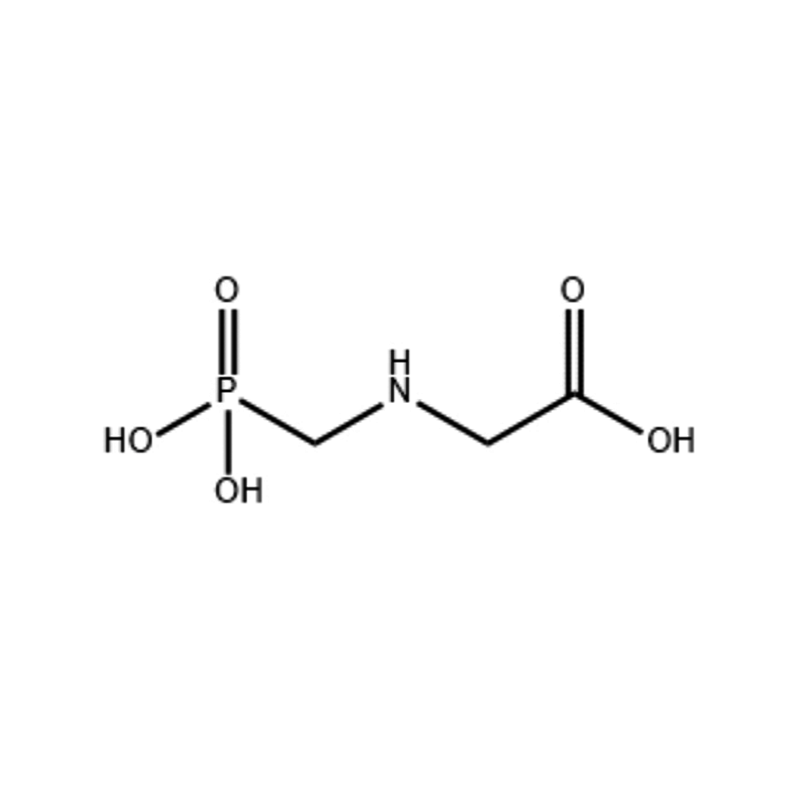
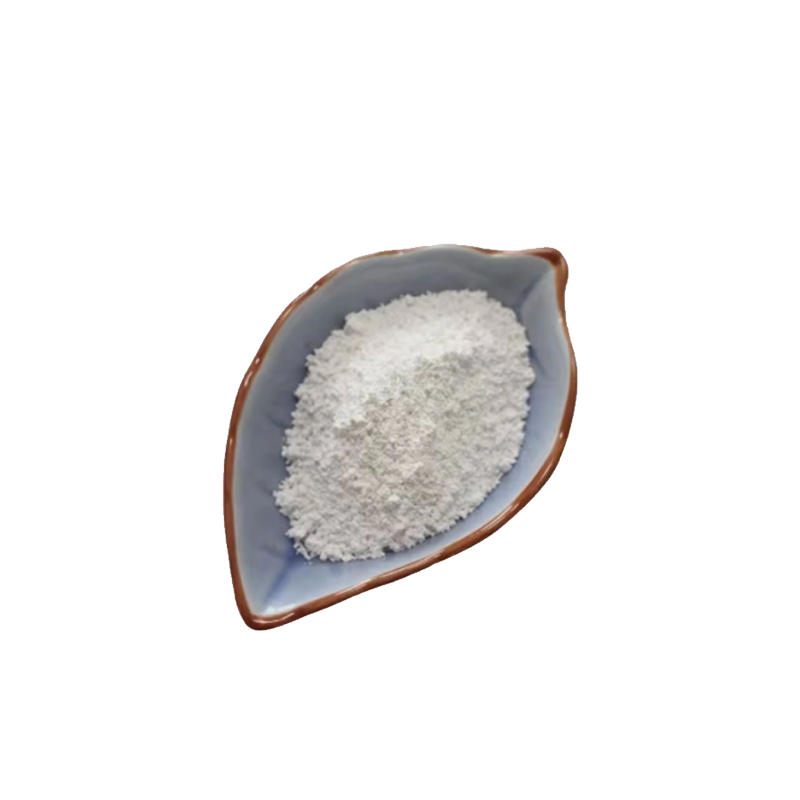
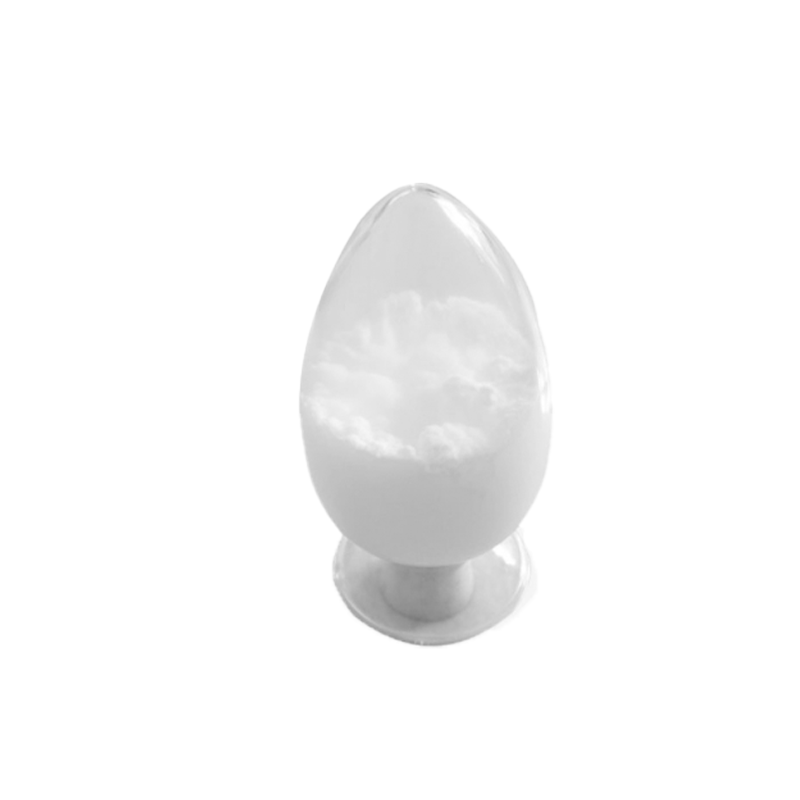

Glyphosate CAS#1071-83-6
Broad-Spectrum Weed Control – Effectively controls annual, biennial, perennial, deep-rooted, sedge, and broadleaf weeds with non-selective post-emergent action.
Wide Application Range – Suitable for rubber plantations, forestry, orchards, tea gardens, rice and wheat fields, and crop rotation land, supporting diverse agricultural systems.
Flexible Dosage for Different Weeds – Precise application rates tailored to weed sensitivity ensure efficient control and optimal performance across multiple weed species.
Short Residue & Proven Safety Profile – Features a short residual life and is recognized by the U.S. EPA as relatively low in toxicity, supporting safe and sustainable weed management.
Glyphosate CAS#1071-83-6
Originally used for controlling grass weeds in rubber plantations, glyphosate enables earlier rubber tapping and increases the productivity of mature trees. It is now widely applied in forestry, orchards, mulberry fields, tea plantations, rice and wheat fields, and crop rotation land.
Different weed species show different sensitivities, so application rates vary accordingly. Recommended dosages range from 6–10.5 g/100 m² for common annual weeds, 11.4–15 g/100 m² for moderately tolerant weeds, and 18–30 g/100 m² for perennial grasses and reeds. Uniform spraying on weed stems and leaves with adequate water is advised.
Glyphosate is a non-selective, post-emergent herbicide with a short residual life, effective against annual, biennial, perennial, sedge, and broadleaf weeds.
As the active ingredient in many commercial herbicides, glyphosate is one of the most widely used weed control agents worldwide. The U.S. EPA classifies it as relatively low in toxicity compared with organochlorine and organophosphate pesticides.
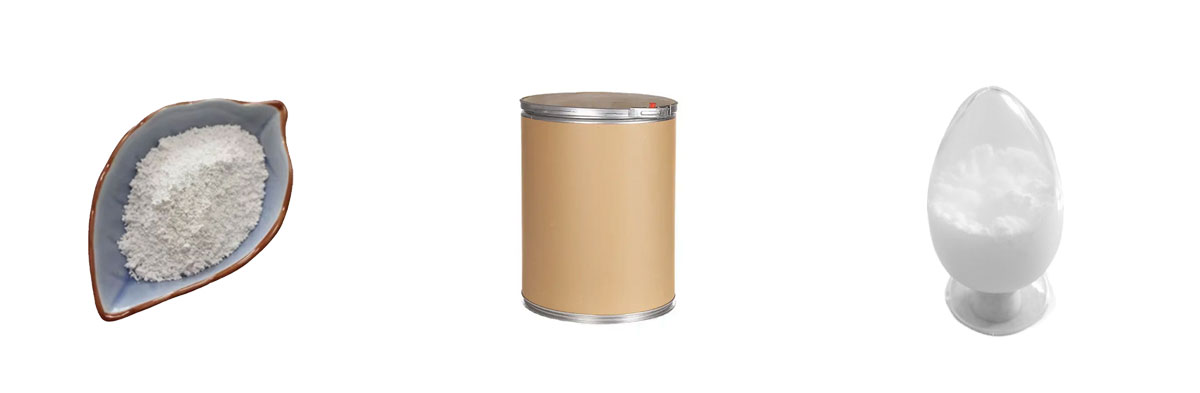
Glyphosate Chemical Properties
| Melting point | 230 °C (dec.) (lit.) |
| Boiling point | 465.8±55.0 °C(Predicted) |
| density | 1.74 |
| Fp | 230°C |
| storage temp. | APPROX 4°C |
| solubility | DMSO: slightly soluble; PBS (pH 7.2): slightly soluble |
| form | solid |
| pka | 1.22±0.10(Predicted) |
| color | White to off-white |
| Odor | odorless |
| Water Solubility | 1.2 g/100 mL |
| Decomposition | 230 ºC |
| Merck | 134,525 |
| BRN | 2045054 |
| Stability: | Stable. Incompatible with metals, strong oxidizing agents, strong bases. May be light sensitive. |
| InChIKey | XDDAORKBJWWYJS-UHFFFAOYSA-N |
| LogP | -2.360 (est) |
| CAS DataBase Reference | 1071-83-6(CAS DataBase Reference) |
| IARC | 2A (Vol. 112) 2017 |
| EPA Substance Registry System | Glyphosate (1071-83-6) |
Safety Information
| Hazard Codes | Xi,N,Xn |
| Risk Statements | 41-51/53-62-37/38-36/37/38-36-22 |
| Safety Statements | 26-39-61-2-37-36 |
| RIDADR | UN 3077 9/PG 3 |
| WGK Germany | 2 |
| RTECS | MC1075000 |
| HS Code | 29319090 |
| Hazardous Substances Data | 1071-83-6(Hazardous Substances Data) |
| Toxicity | LD50 in rats, mice (mg/kg): 4873, 1568 orally (Bababunmi) |

Product Applications of Glyphosate CAS#1071-83-6
Glyphosate is the active ingredient in a wide range of commercial herbicides. It is a broad-spectrum, systemic herbicide effective against many types of weeds, grasses (Poaceae), and woody plants.
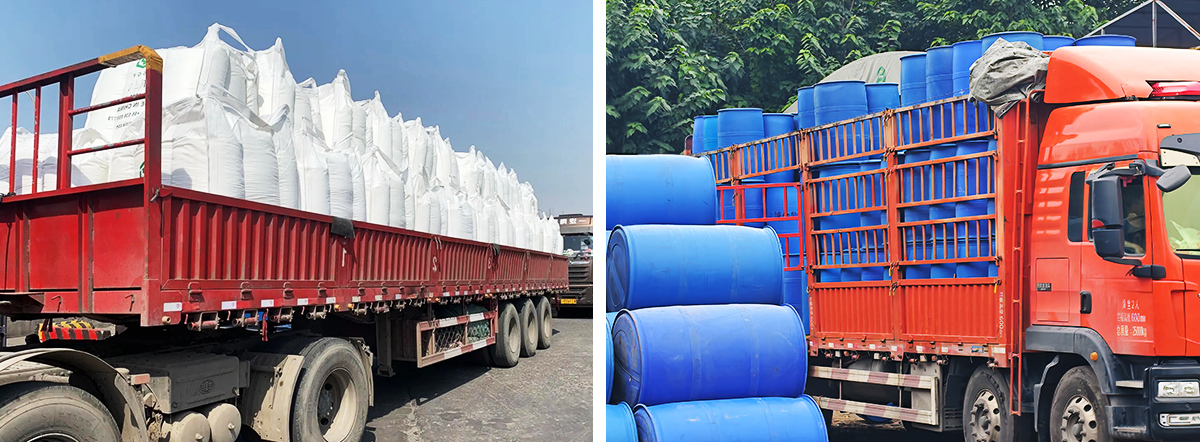
Factory and Equipment Display