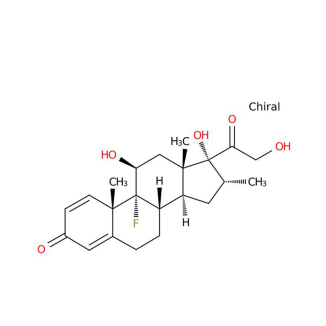
Acetylsalicylic acid CAS# 50-78-2
Effective Anti-Inflammatory and Pain Relief: Aspirin acts as a nonsteroidal anti-inflammatory drug (NSAID), providing reliable reduction of inflammation and alleviation of pain in a wide range of conditions.
Anti-Thrombotic and Cardiovascular Protection: Aspirin helps prevent platelet aggregation, supporting cardiovascular health by reducing the risk of blood clot formation and contributing to the prevention of thrombotic events.
Reduction of Mortality from Heart Attack and Stroke: Regular use of aspirin has been shown to lower the mortality rate associated with myocardial infarction and ischemic stroke, making it a valuable intervention in high-risk patients.
Potential Cancer Risk Reduction: Emerging research indicates that aspirin may reduce the risk of developing colorectal cancer, highlighting its potential benefits beyond traditional cardiovascular and pain-relief applications.
Products Description of Acetylsalicylic Acid CAS#50-78-2
Aspirin, commonly known as acetylsalicylic acid, is a nonsteroidal anti-inflammatory drug (NSAID) originally used to relieve inflammation and alleviate pain. Subsequent research revealed that aspirin can inhibit platelet aggregation, providing significant anti-thrombotic effects. Ongoing studies have uncovered additional therapeutic benefits, including the ability to lower the mortality rate associated with myocardial infarction and stroke, as well as potentially reducing the risk of colorectal cancer.

Parameters
| Melting point | 134-136 °C (lit.) |
| Boiling point | 272.96°C (rough estimate) |
| density | 1.35 |
| refractive index | 1.4500 (estimate) |
| Fp | 250 °C |
| storage temp. | 2-8°C |
| solubility | H2O: 10 mg/mL at 37 °C |
| form | crystalline |
| color | white |
| pka | 3.5(at 25℃) |
| biological source | synthetic |
| Water Solubility | 3.3 g/L (20 ºC) |
| ε(extinction coefficient) | 190 at 298nm in aqueous base at 1mM |
| 409 at 231nm in aqueous base at 1mM | |
| 466 at 230nm in aqueous acid at 1mM | |
| 68 at 278nm in aqueous acid at 1mM | |
| Merck | 14851 |
| BRN | 779271 |
| Exposure limits | ACGIH: TWA 5 mg/m3 |
| NIOSH: TWA 5 mg/m3 | |
| BCS Class | 3 |
| Stability: | Stable. Keep dry. Incompatible with strong oxidizing agents, strong bases, strong acids, various other compounds such as iodides, iron salts, quinine salts, etc. |
| InChIKey | BSYNRYMUTXBXSQ-UHFFFAOYSA-N |
| LogP | 1.19 |
| CAS DataBase Reference | 50-78-2(CAS DataBase Reference) |
| NIST Chemistry Reference | Benzoic acid, 2-(acetyloxy)-(50-78-2) |
| EPA Substance Registry System | Aspirin (50-78-2) |
Safety Information
| Hazard Codes | Xn |
| Risk Statements | 22-36/37/38 |
| Safety Statements | 26-36/37/39 |
| OEB | B |
| OEL | TWA: 5 mg/m3 |
| RIDADR | UN 1851 |
| WGK Germany | 1 |
| RTECS | VO0700000 |
| TSCA | Yes |
| HazardClass | 6.1 |
| PackingGroup | III |
| HS Code | 29182210 |
| Hazardous Substances Data | 50-78-2(Hazardous Substances Data) |
| Toxicity | LD50 orally in mice, rats: 1.1, 1.5 g/kg (Hart) |

Product Application of Acetylsalicylic Acid CAS#50-78-2
Acetylsalicylic acid serves as a key raw material in the synthesis of 4-hydroxycoumarin, an important intermediate in the production of rodenticides. It can react to form salicylic acid and acetic acid. While slightly soluble in water, it dissolves readily in ethanol, ether, chloroform, and in alkaline hydroxide or carbonic acid solutions, during which it may decompose.
Medically, acetylsalicylic acid is widely used as an antipyretic and analgesic for the treatment of fever, pain, and rheumatoid arthritis. It also exhibits anti-rheumatic properties, promotes uric acid excretion in gout patients, provides anti-platelet aggregation effects, and is used in the treatment of biliary ascariasis.
In addition, it finds applications in material manufacturing for outdoor and high-light-exposure structural components, including automotive bodies, agricultural machinery parts, electric meters, lampshades, and road markings, owing to its stability and protective properties.