
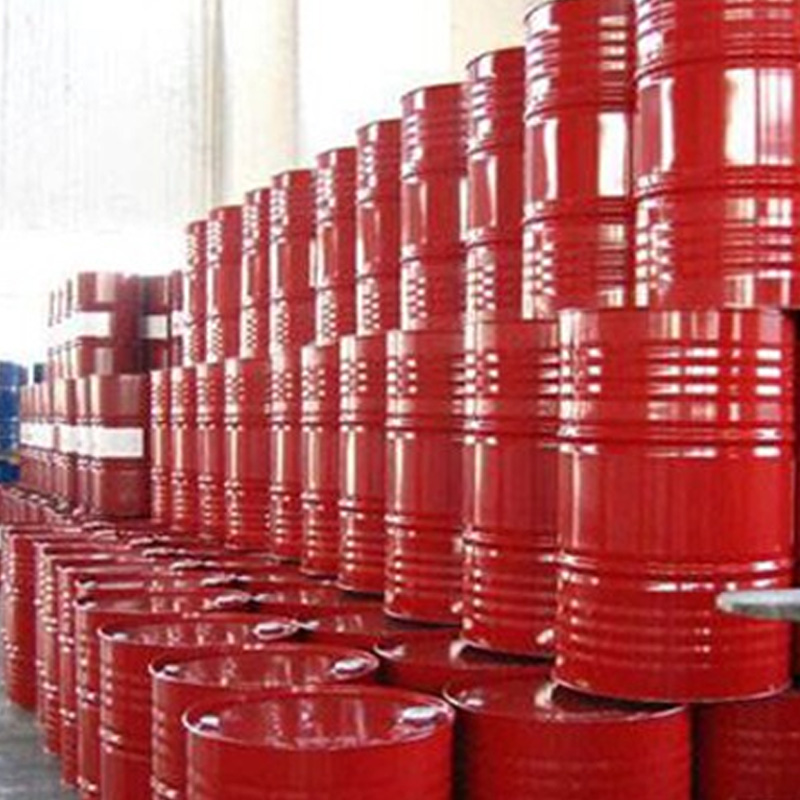
Toluene Diisocyanate CAS#26471-62-5
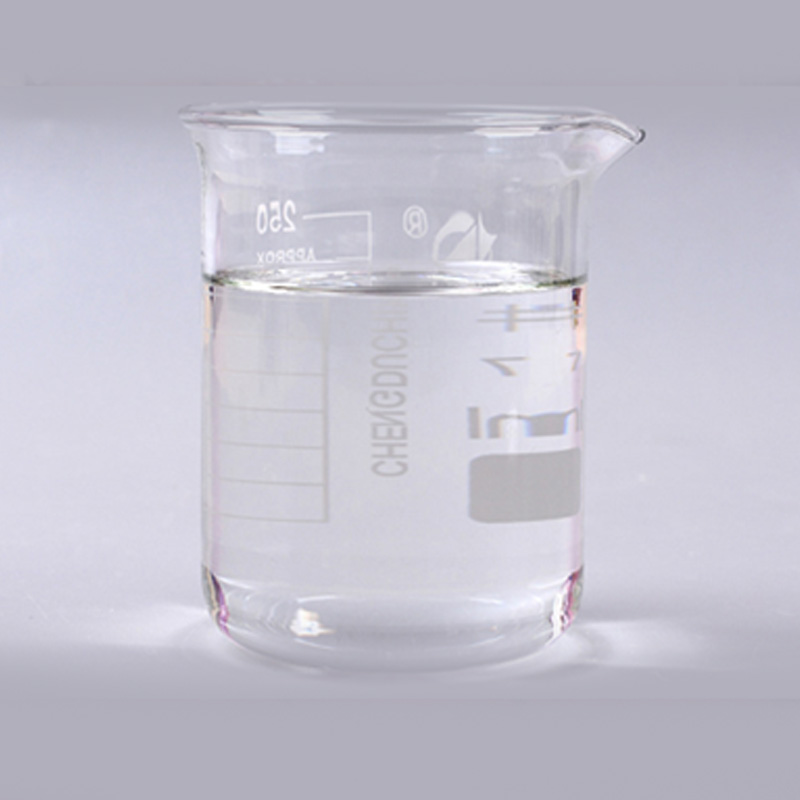
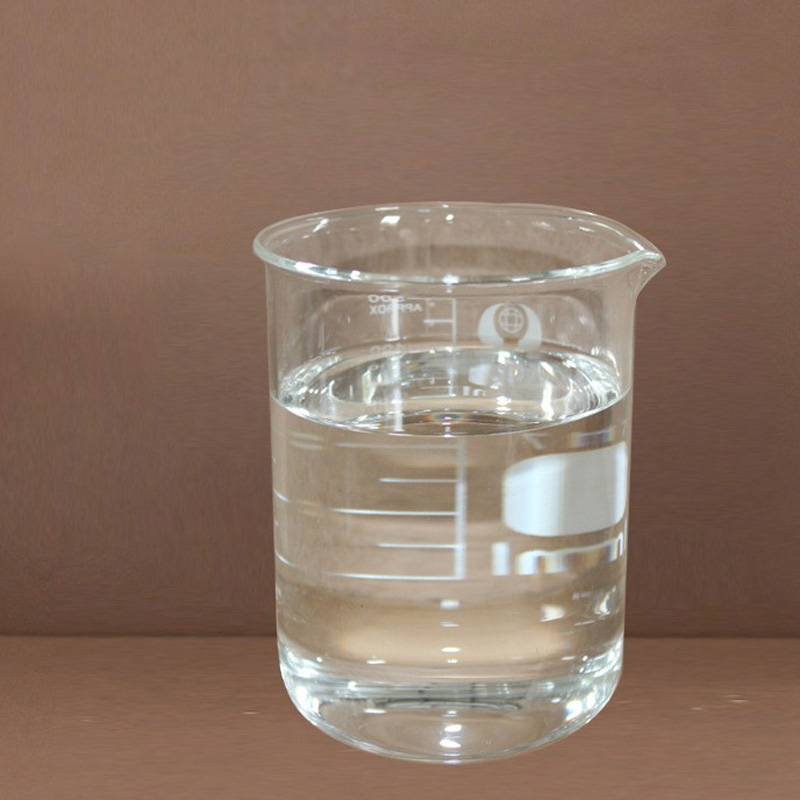
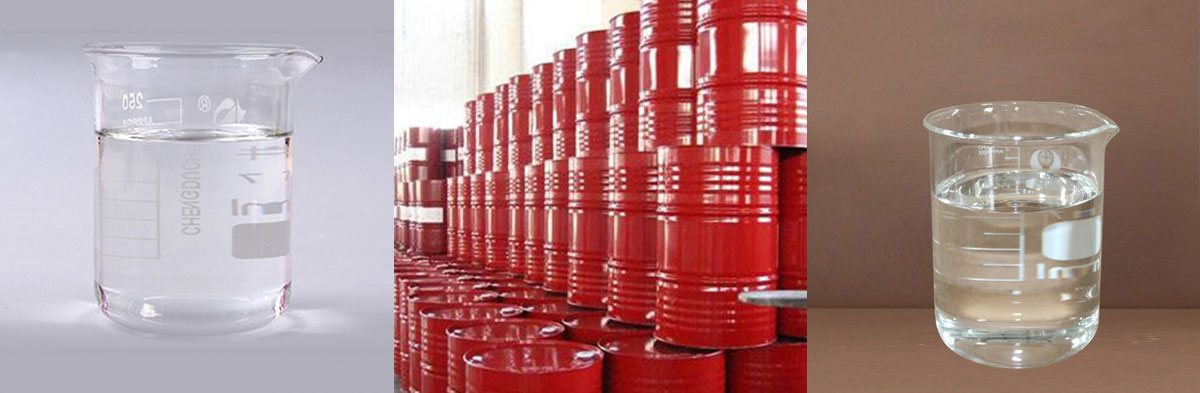
High Purity and Clear Appearance:TDI is a clear, pale yellow liquid, indicating consistent quality and suitability for industrial processing.
Excellent Solvent Compatibility:It is insoluble in water but miscible with most common organic solvents, making it easy to formulate and process in various applications.
Flexible Isomer Composition:Commercially available in different 2,4-TDI / 2,6-TDI ratios (commonly 80/20), allowing manufacturers to tailor performance to specific needs.
Proven and Widely Used Industrial Chemical:TDI has extensive global usage and historically accounted for a significant share of the isocyanate market, demonstrating reliability and broad industrial acceptance.
Toluene diisocyanate CAS#26471-62-5
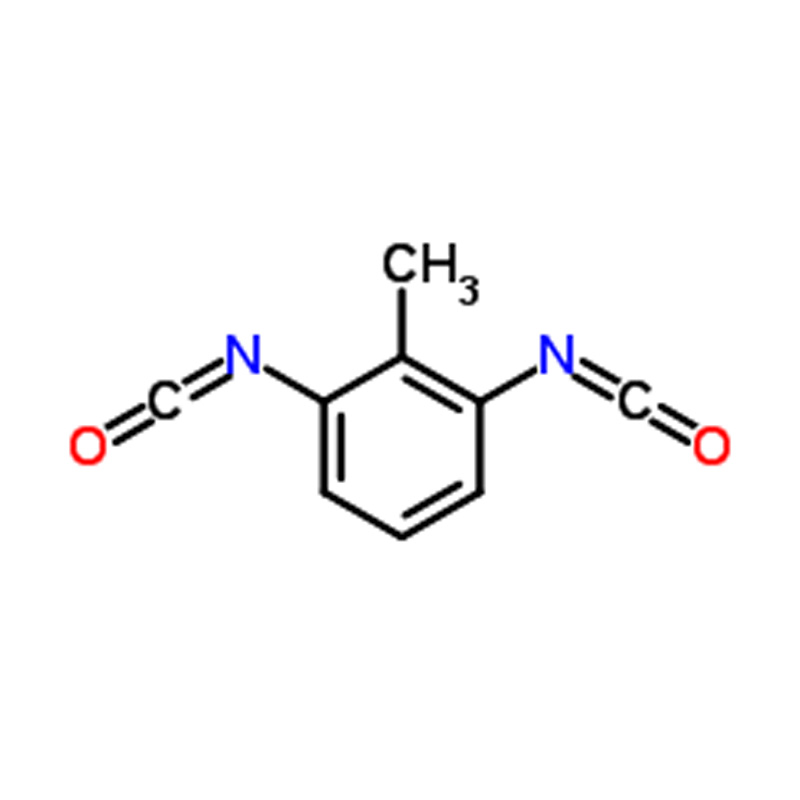
Toluene diisocyanate (TDI) is an aromatic diisocyanate appearing as a clear, light yellow liquid with a strong, pungent odor. It is insoluble in water but readily miscible with most common organic solvents. TDI (CAS No. 26471-62-5) is composed of two isomers: toluene-2,4-diisocyanate (2,4-TDI, CAS No. 584-84-9) and toluene-2,6-diisocyanate (2,6-TDI, CAS No. 91-08-7), which are manufactured commercially in various proportions. The most widely used composition is an 80% 2,4-TDI and 20% 2,6-TDI mixture. TDI is extensively applied in industry and represented about 34% of the global isocyanate market in 2000.
Toluene diisocyanate Chemical Properties
| Melting point | 19.5~21.5℃ |
| Boiling point | 247℃ |
| density | 1.22 |
| vapor pressure | 0.03 hPa ( 20 °C) |
| refractive index | 1.5660 to 1.5700 |
| Fp | 137 °C |
| storage temp. | Store below +30°C. |
| solubility | miscible with Ether,Acetone,Benzene |
| form | clear liquid |
| color | Colorless to Light yellow |
| Odor | Sharp, pungent odor |
| explosive limit | 0.9-9.5% (v/v) |
| Water Solubility | 124mg/L at 25℃ |
| InChI | 1S/C9H6N2O2/c1-7-2-3-8(10-5-12)4-9(7)11-6-13/h2-4H,1H3 |
| InChIKey | DVKJHBMWWAPEIU-UHFFFAOYSA-N |
| SMILES | N(=C=O)c1c(ccc(c1)N=C=O)C |
| LogP | 3.43 at 22℃ |
| CAS DataBase Reference | 26471-62-5(CAS DataBase Reference) |
| IARC | 2B (Vol. 39, Sup 7, 71) 1999 |
| EPA Substance Registry System | Toluene diisocyanate (26471-62-5) |
Safety Information
| Risk Statements | 26-36/37/38-40-42/43-52/53 |
| Safety Statements | 23-36/37/39-45-24/25 |
| RIDADR | 2078 |
| WGK Germany | WGK 2 |
| RTECS | NQ9490000 |
| Autoignition Temperature | 620°C |
| TSCA | TSCA listed |
| HazardClass | 6.1(a) |
| PackingGroup | II |
| HS Code | 29291090 |
| Storage Class | 6.1A - Combustible, acute toxic Cat. 1 and 2 |
| very toxic hazardous materials | |
| Hazard Classifications | Acute Tox. 1 Inhalation |
| Aquatic Chronic 3 | |
| Carc. 2 | |
| Eye Irrit. 2 | |
| Resp. Sens. 1 | |
| Skin Irrit. 2 | |
| Skin Sens. 1A | |
| STOT SE 3 | |
| Hazardous Substances Data | 26471-62-5(Hazardous Substances Data) |

It is classified by the EPA as a designated hazardous waste. The substance appears as a colorless to yellow solid with a melting point of approximately 20 °C. TDI and MDI (diphenylmethane diisocyanate) are employed in the production of polyurethane foams through reactions with polyhydroxy compounds, and these foams are widely used for insulation, upholstery, and related applications. Human exposure most commonly occurs through inhalation of the vapor. Both TDI and MDI may irritate the eyes and mucous membranes and, in severe instances, can result in pulmonary edema. Sensitization to TDI is frequent and often develops rapidly, causing allergic responses and a reduction in lung function. In the United Kingdom, the occupational exposure limit is set at 0.02 ppm for periods not exceeding 20 minutes, or 0.005 ppm for an 8-hour exposure.
Product Application of Toluene Diisocyanate CAS#26471-62-5
The reactive functional groups in TDI combine with hydroxyl groups to form urethane bonds, enabling its use in the production of flexible polyurethane foams. These foams are widely applied in furniture, bedding, and seating for automotive and commercial transportation. Additional applications include polyurethane elastomers used for automotive bumper covers, industrial rollers, sporting footwear, as well as various mechanical components and coatings for metal, wood, and high-performance anticorrosion purposes. Rigid polyurethane foams based on TDI are utilized in household refrigerators and in residential construction applications such as sheathing and commercial roofing. Spray-applied rigid TDI foams serve as insulation for truck trailers, rail freight cars, and overseas cargo containers. In addition, moisture-curing TDI coatings are employed as sealants for wood and concrete and as durable floor finishes.