Zinc borate CAS#1332-07-6
High-Performance Flame Retardancy: Provides effective flame retardant action in both solid and gas phases, enhancing fire safety across various polymer systems.
Excellent Smoke Suppression: Promotes the formation of a protective glassy and char layer, significantly reducing toxic and irritating smoke during combustion.
Strong Synergistic Effects: Works efficiently with halogenated flame retardants, antimony trioxide, and alumina trihydrate (ATH), allowing lower additive loadings while maintaining performance.
Enhanced Thermal and Electrical Protection: Releases water of hydration above 290 °C to cool flames, suppress afterglow, and improve resistance to electrical degradation, including high anti-arcing and anti-tracking properties.
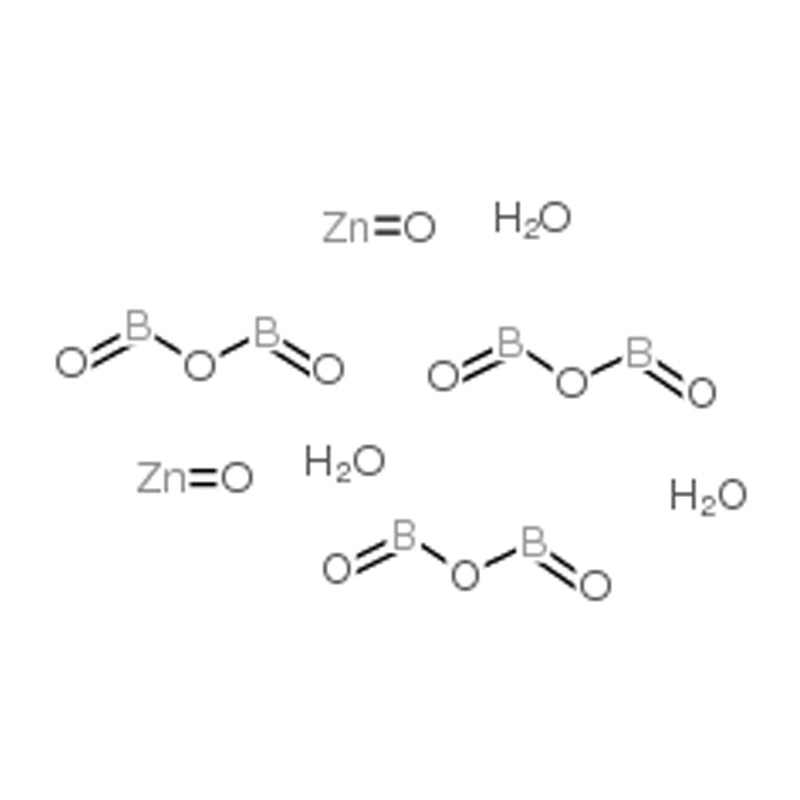
Zinc Borate CAS No. 1332-07-6
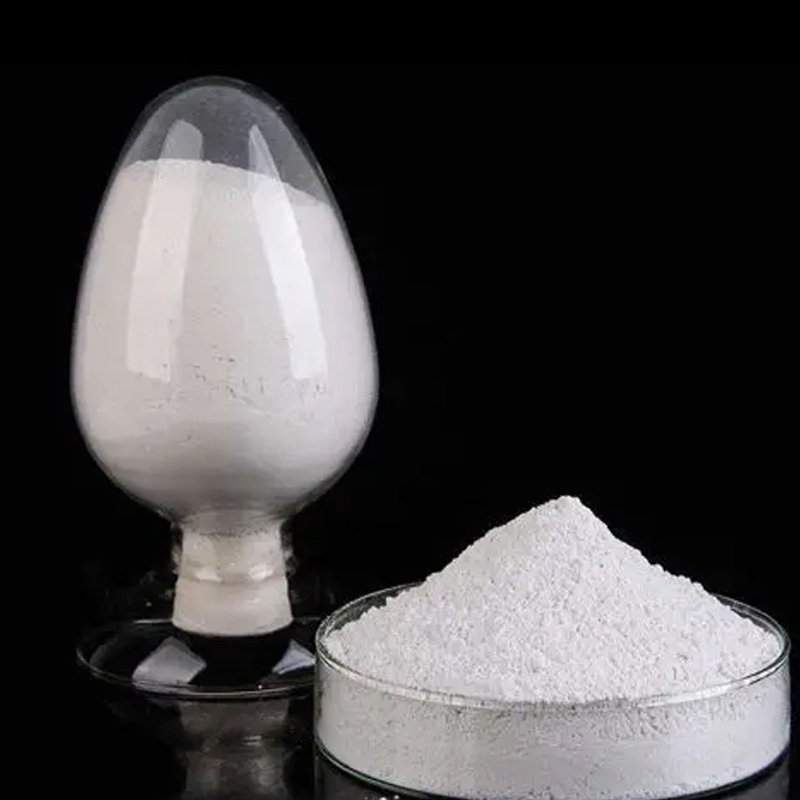
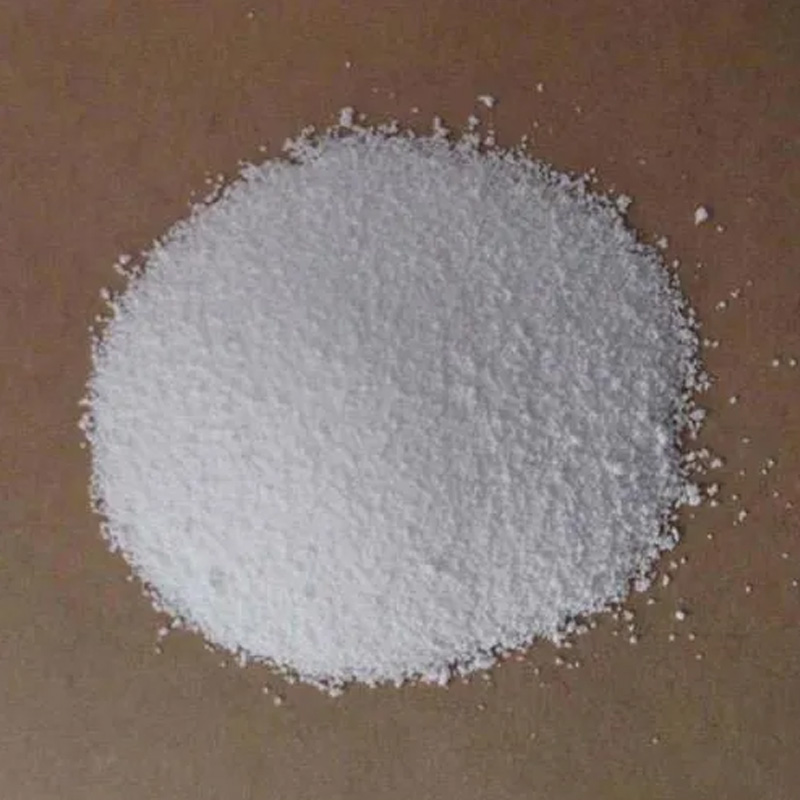
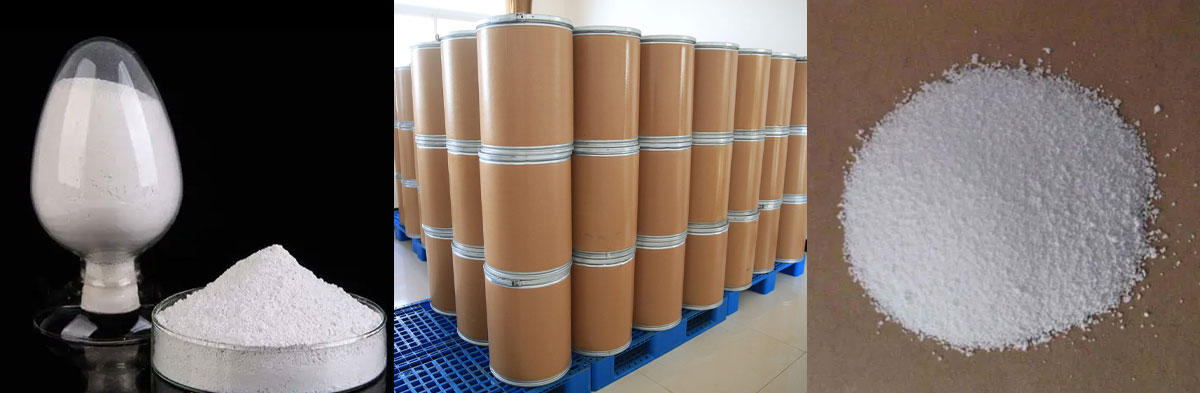
Zinc borate is a white, amorphous powder that is nonflammable. It is soluble in dilute acids and slightly soluble in water.
As a boron-based flame retardant, zinc borate is compatible with a wide range of polymer matrices. It is effective in both the solid and gas phases and provides strong smoke-suppressing performance, helping to extend available rescue time in the event of a fire.
Zinc borate is a multifunctional flame retardant with the following characteristics: it promotes the formation of a protective glassy layer and a robust char layer, thereby reducing the generation of toxic and irritating smoke during combustion. At temperatures above 290 °C, it releases its water of hydration, which cools the flame front and absorbs heat from the fire. It functions as a synergist when used with halogenated flame retardants, allowing reduced additive loading, and exhibits strong synergistic effects with antimony trioxide, which are further enhanced in the presence of alumina trihydrate (ATH). In addition, zinc borate improves resistance to electrical degradation by providing high anti-arcing and anti-tracking properties and also serves as an effective afterglow suppressant.
Zinc borate Chemical Properties
| Melting point | 980 °C |
| density | 3.64 g/cm3 |
| Cosmetics Ingredients Functions | SKIN CONDITIONING - HUMECTANT |
| LogP | -0.292 (est) |
| CAS DataBase Reference | 1332-07-6(CAS DataBase Reference) |
| EPA Substance Registry System | Zinc borate (1332-07-6) |
| Hazardous Substances Data | 1332-07-6(Hazardous Substances Data) |
| Toxicity | Zinc borate 2ZnO3B2O3·3.5H2O has an acute oral toxicity in rats LD50 >10000 mg/kg body weight and acute dermal toxicity in rabbits LD50>10000 mg/kg body weight. It is not a skin irritant and gives a negative response in the Ames mutagenicity test (Kirk-Othmer, 1994). |
Product Application of Zinc Borate CAS No. 1332-07-6
Zinc borate is mainly used as a flame retardant in plastics, cellulose fibers, paper, rubber, and textiles, and is also applied in paints, adhesives, and pigments. In flame-retardant systems, it can serve as a synergist to replace antimony trioxide in both halogenated and halogen-free formulations. It functions as an anti-dripping agent, promotes char formation, suppresses afterglow, and reduces arcing and tracking in electrical insulating plastics.
In halogen-containing systems, zinc borate is commonly used in combination with antimony trioxide and alumina trihydrate. It catalyzes char formation and creates a protective glassy layer, while zinc compounds facilitate the release of halogens through the formation of zinc halides and zinc oxyhalides.
In halogen-free systems, zinc borate can be used together with alumina trihydrate, magnesium hydroxide, red phosphorus, or ammonium polyphosphate. During combustion, it forms a porous borate ceramic layer that protects the underlying material. When silica is present, a borosilicate glass layer can be generated at typical plastic burning temperatures, further enhancing fire resistance.
As a partially or fully EPA-approved substitute for halogen-containing and other flame retardants, zinc borate is widely applied in the processing of plastics and rubbers such as PVC, PE, and PP. It is also used to improve flame retardancy in materials including polyamides, PVC resins, polyphenylene ethylene, epoxy resins, polyester resins, ethylene-based polymers, natural rubber, styrene-butadiene rubber, and chloroprene rubber. In addition, zinc borate is applied in the production of paper, fiber fabrics, decorative panels, flooring materials, wallpaper, carpets, ceramic glazes, fungicides, and paints to enhance flame-retardant performance.