
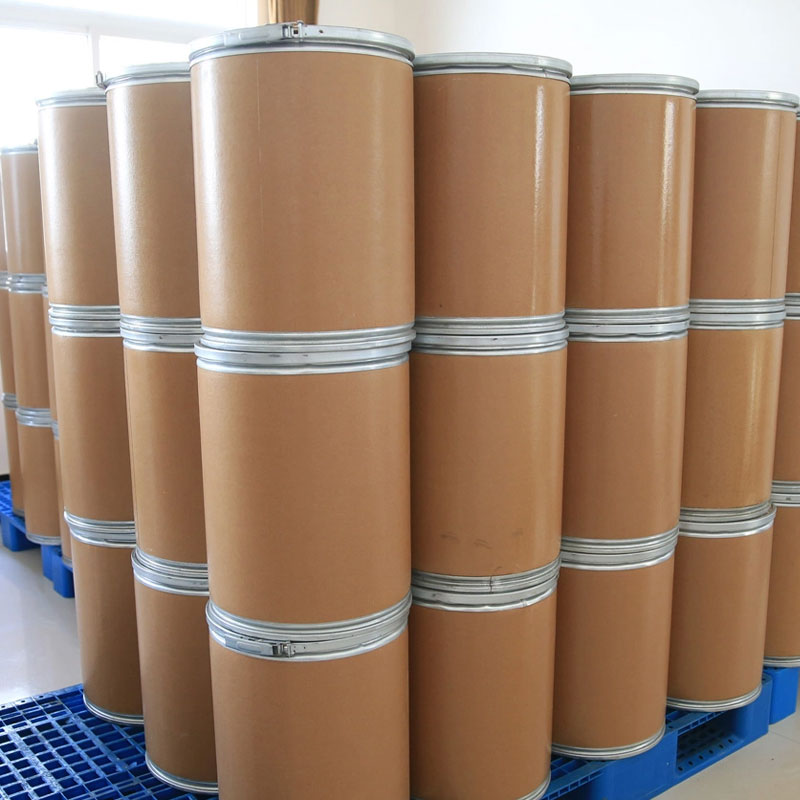
Sodium Bicarbonate CAS#144-55-8
Naturally Occurring Mineral – Sodium bicarbonate exists naturally as the mineral nahcolite, highlighting its natural origin and abundance.
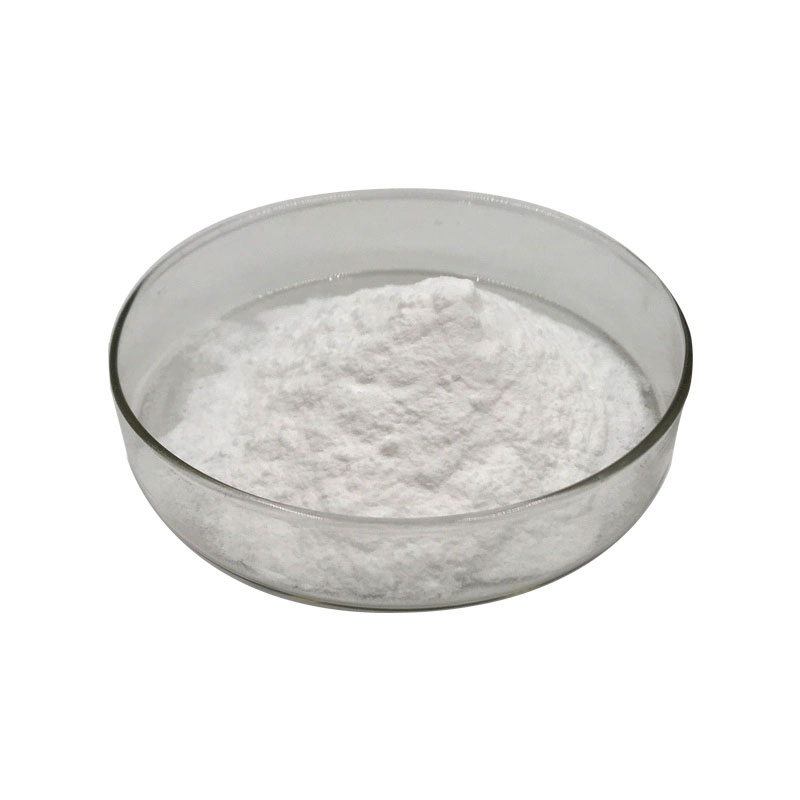
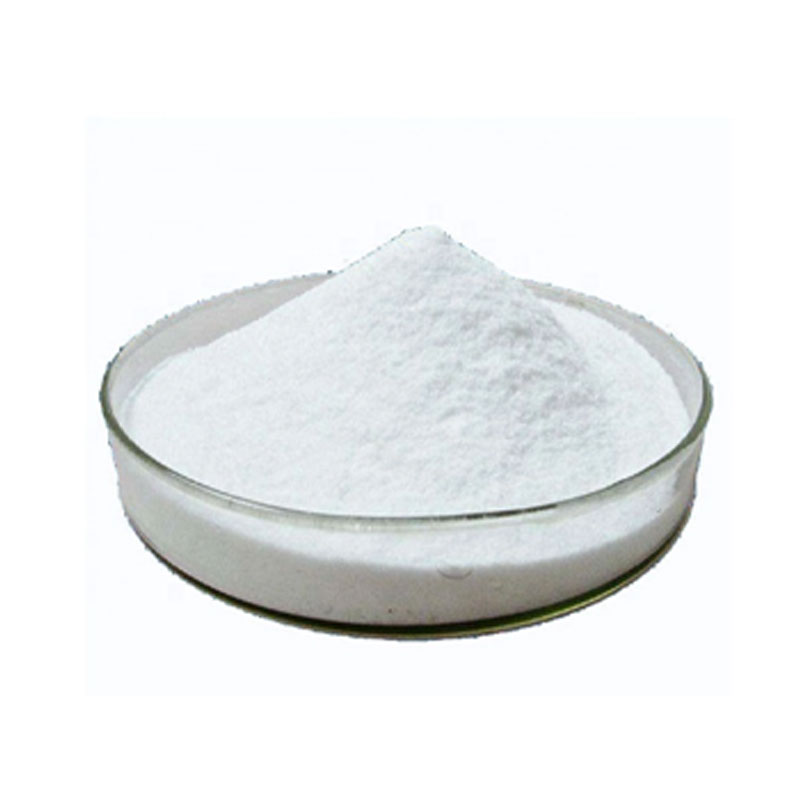
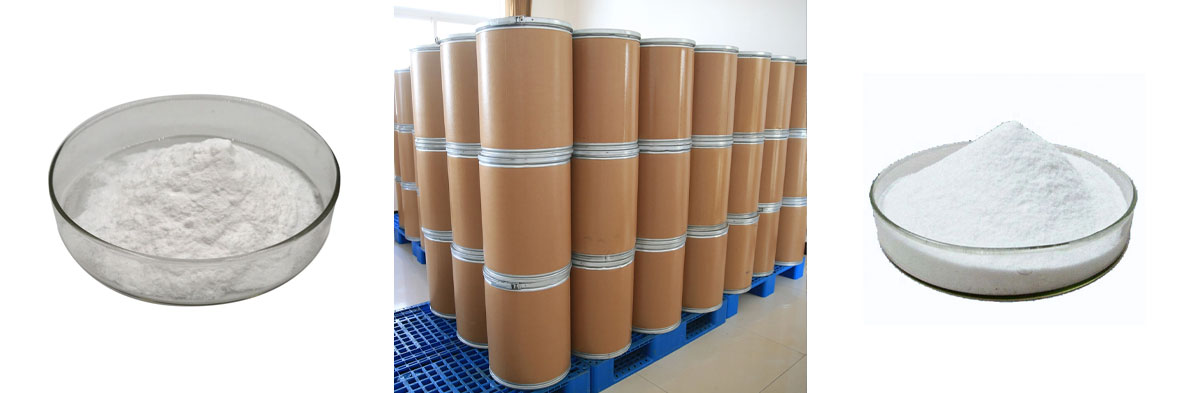
White and Odorless – The compound is a clean, odorless white solid, making it safe and convenient for various household, food, and industrial applications.
Crystalline Solid Structure – Its stable crystalline form ensures consistent quality, ease of handling, and reliable performance in chemical reactions and formulations.
Widely Recognized as Baking Soda – Commonly known as baking soda, it is a versatile and well-understood compound used across baking, cleaning, pharmaceutical, and industrial processes.
Products Description of Sodium Bicarbonate CAS#144-55-8
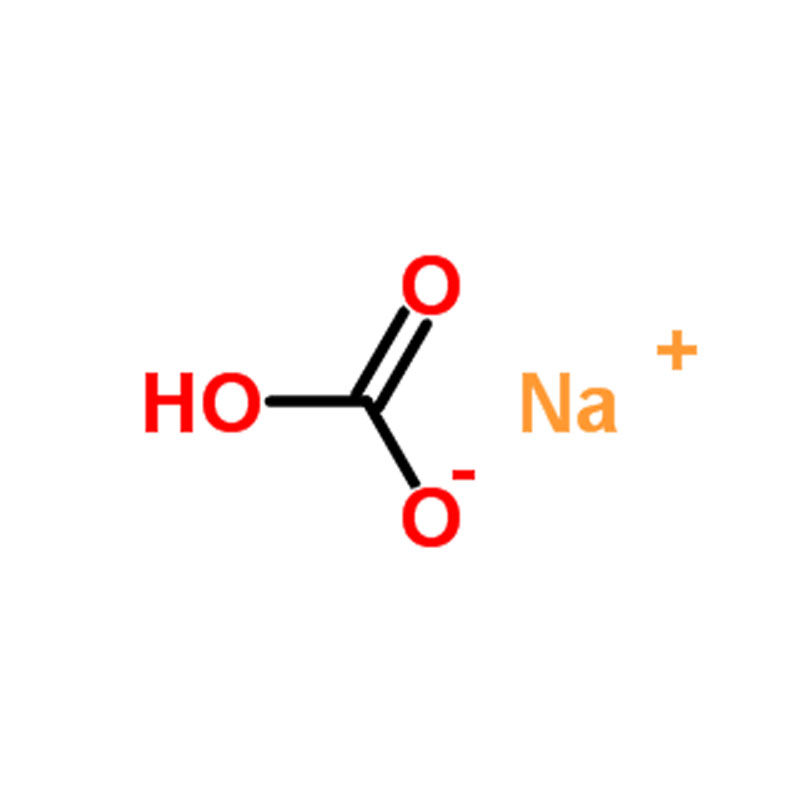
Sodium bicarbonate, commonly known as baking soda, is a white, odorless crystalline solid. It naturally occurs as the mineral nahcolite, whose name is derived from its chemical composition by replacing the “3” in NaHCO3 with the suffix “-lite.”
Parameters
| Melting point | >300 °C(lit.) |
| Boiling point | 851°C |
| bulk density | 1000kg/m3 |
| density | 2.16 g/mL at 25 °C (lit.) |
| refractive index | 1.5 |
| storage temp. | 2-8°C |
| solubility | H2O: 1 M at 20 °C, clear, colorless |
| form | solution (7.5%) |
| color | White |
| Specific Gravity | 2.159 |
| Odor | Odorless |
| PH | 8.27(1 mM solution);8.22(10 mM solution);8.02(100 mM solution); |
| PH Range | 7.8 - 8.2 |
| pka | (1) 6.37, (2) 10.25 (carbonic (at 25℃) |
| Water Solubility | 9 g/100 mL (20 ºC) |
| Decomposition | 50 °C |
| Merck | 148,583 |
| BRN | 4153970 |
| BCS Class | 1 |
| Stability: | Stable. |
| LogP | -4.010 (est) |
| CAS DataBase Reference | 144-55-8(CAS DataBase Reference) |
| EPA Substance Registry System | Sodium bicarbonate (144-55-8) |
| Safety Statements | 24/25 |
| WGK Germany | 1 |
| RTECS | VZ0950000 |
| TSCA | Yes |
| HS Code | 28363000 |
| Hazardous Substances Data | 144-55-8(Hazardous Substances Data) |
| Toxicity | LD50 orally in Rabbit: 4220 mg/kg |
Product Application of Hydroquinone CAS#123-31-9
Sodium bicarbonate acts as a leavening agent, with a pH of approximately 8.5 in a 1% solution at 25°C. It reacts with food-grade acidic compounds, such as phosphates, to release carbon dioxide during baking, which helps dough rise, resulting in baked goods with greater volume and a light, tender texture. It is also used in dry-mix beverages to produce carbonation when water is added to a mixture containing sodium bicarbonate and an acid. Commonly known as baking soda, bicarbonate of soda, sodium acid carbonate, or sodium hydrogen carbonate, it is a key component of baking powder.