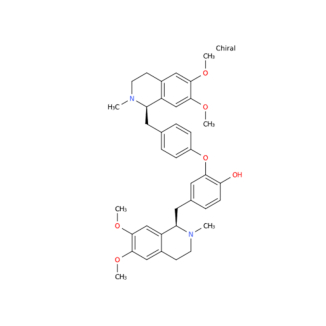
Sodium Lauryl Ether Sulfate (SLES): Eco-Friendly Surfactant Drives Sustainable Expansion Across Global Formulation Industries
Sodium Lauryl Ether Sulfate (SLES): Non-Toxic Surfactant Drives Sustainable Growth in Global Formulation Markets
This report highlights Sodium Lauryl Ether Sulfate (SLES), a non-toxic anionic surfactant known for its mildness, high efficiency, and environmental friendliness. With global demand for safe and sustainable ingredients increasing across household, personal care, and industrial sectors, SLES has become a key component in modern formulations, supporting market growth while complying with strict safety and regulatory standards.
1. Product Overview and Key Properties
SLES (CAS#68585-34-2) is a white to off-white crystalline powder with minimal odor. It has a melting point of approximately 204–207℃ and decomposes upon boiling, with negligible vapor pressure at 25℃ and a relative density of 1.06 g/cm³ (20℃). It is highly soluble in water and exhibits excellent foaming, emulsifying, and detergency performance. Its ethoxylated structure reduces skin irritation compared to traditional sulfates. Classified as non-toxic in acute toxicity tests and OECD hazard assessments, SLES is readily biodegradable in natural environments.
2. Global Market Trends and Growth Outlook
The global SLES market is steadily expanding, driven by increasing demand in personal care and household cleaning products. Industry projections indicate a compound annual growth rate (CAGR) of 5–7% through 2030. The Asia-Pacific region accounts for over 45% of global consumption. China, as a major producer, has expanded annual SLES production capacity to 340,000 tons by 2026, supporting both domestic requirements and exports to Southeast Asia and Europe. Growth is fueled by the surfactant’s versatility and alignment with sustainability trends.
3. Key Applications
SLES plays a critical role across various industries:
Personal Care: Essential in shampoos, body washes, and toothpastes for its mildness and foaming capability, capturing a 55% share of the surfactant market in these products.
Household Cleaning: Used in dishwashing liquids and laundry detergents for effective grease removal.
Industrial Applications: Applied in textile processing, as emulsifiers in pesticides, and in oil spill remediation, where its low toxicity and high dispersion efficiency outperform conventional alternatives.
4. Safety and Regulatory Compliance
SLES has wide regulatory approval for safe use. It is recognized by the U.S. FDA as an allowed food contact additive and approved under the EU Cosmetics Directive for personal care products. OECD hazard assessments confirm no chronic health risks, including carcinogenicity, and global biodegradability standards are met. Its non-toxic profile makes it suitable for skin-contact products, with regulated usage levels ensuring consumer safety.
5. Future Outlook and Sustainability Focus
The SLES market is evolving toward greener production and improved performance. Manufacturers are increasingly using bio-based feedstocks, such as plant-derived fatty alcohols, to reduce carbon footprints—bio-based SLES is expected to account for 30% of global supply by 2030. Advances in ethoxylation technology are enhancing product purity and lowering energy consumption. R&D efforts are focused on producing low-irritation variants for sensitive skin and baby care products, expanding its range of applications.
- Previous : Plant-Based Surfactant Lauryl Glucoside Sees Growing Adoption in Personal Care and Household Markets Driven by Green Consumption Trends
- Next : Isobutyl Methacrylate Industry Enters a New Phase of Innovation: Rising Demand for Specialty Monomers Accelerates Supply Chain Transformation and Green Technologies Redefine the High-End Market