Silica Gel CAS#112926-00-8
Excellent Moisture Absorption
Silica gel rapidly absorbs moisture from the air, making it an ideal drying agent for desiccators, packaging, and humidity control applications.Color-Changing Moisture Indicator
When doped with cobalt salts, silica gel changes color from blue (dry) to pink (moist), providing a clear visual indication of saturation and the need for regeneration.High-Performance Catalyst Support
Its rigid three-dimensional porous structure makes silica gel an excellent support material for catalysts, especially in Ziegler–Natta systems, enabling uniform polymer particle formation.Multiple Structural Forms Available
Offered as aquagel, xerogel, or aerogel, silica gel provides flexible pore structures and processing options to meet diverse industrial and laboratory requirements.
Silica Gel CAS#112926-00-8
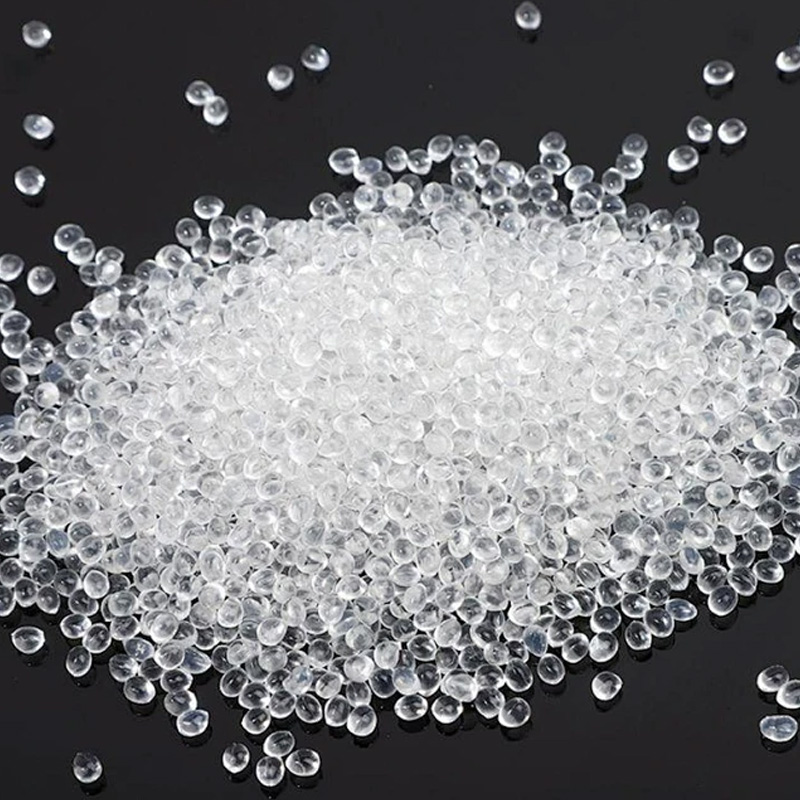
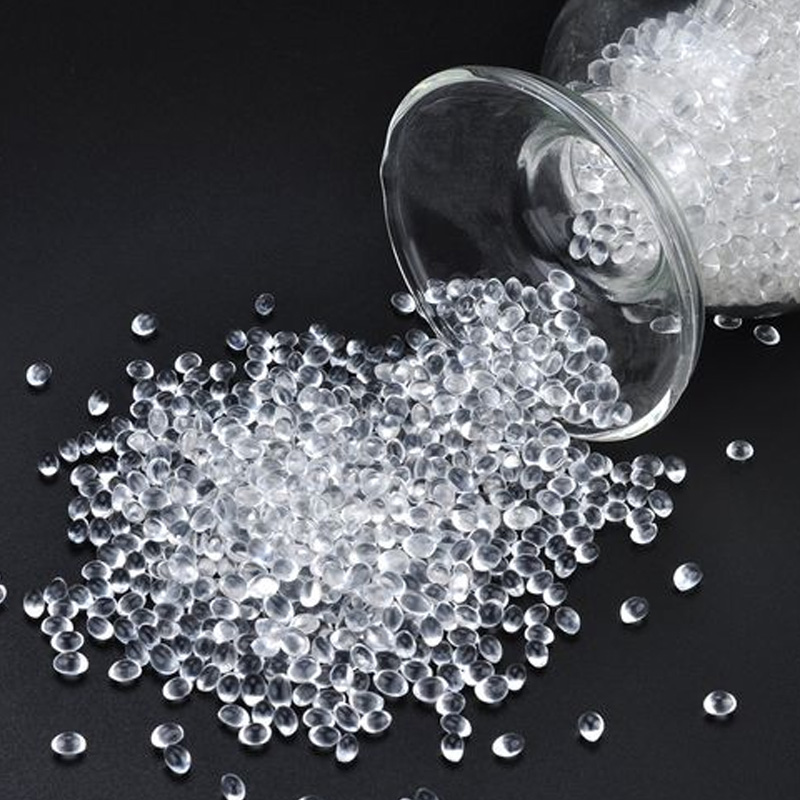
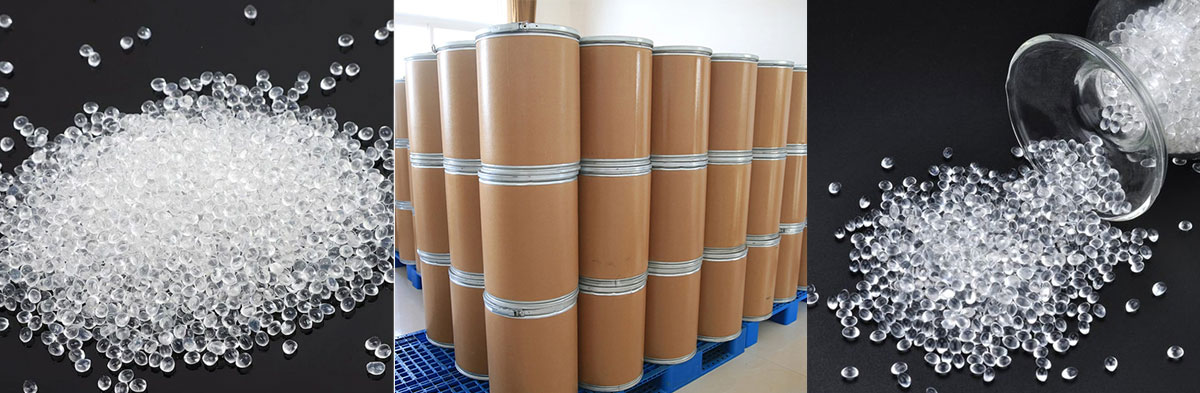
Silica gel is produced by coagulating a sodium silicate sol and then drying it by heating. The resulting rigid gel is widely used as a drying agent and as a support material for catalysts because of its strong ability to absorb moisture from the air. In desiccators and packaging applications, silica gel is often treated with a cobalt salt indicator that changes color to show its moisture condition: blue when dry and pink after absorbing water, indicating that regeneration by heating is required.
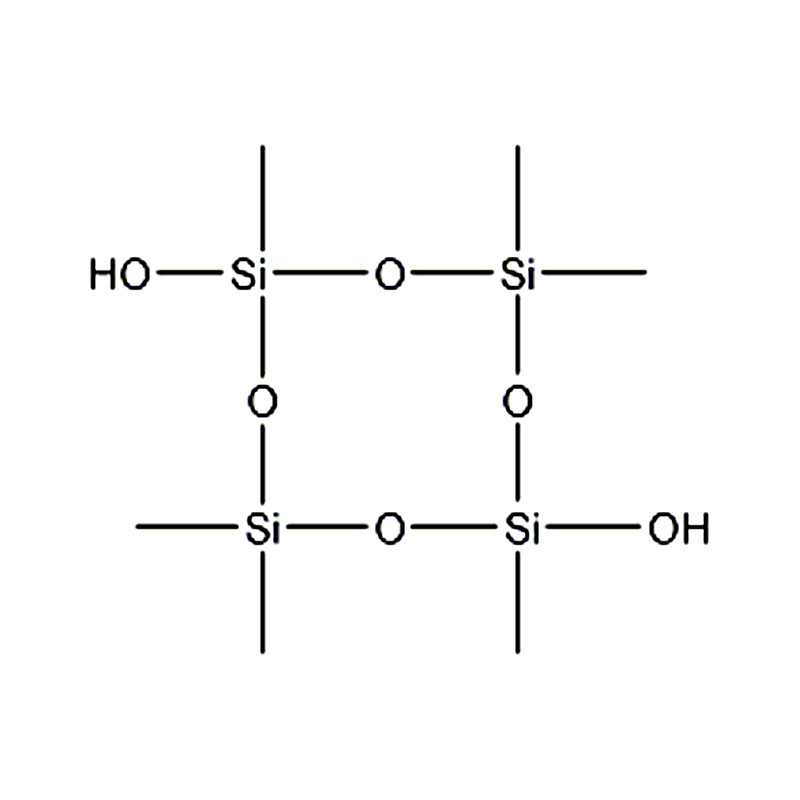
Silica gel consists of a three-dimensional network of colloidal silica and is commonly used as a support for active titanium (III) sites in Ziegler–Natta catalysts. Its structure allows controlled fragmentation, producing uniform polymer particles with narrow size distribution and high bulk density.
According to the state of the pores, silica gel can be classified into three types: Aquagel, in which the pores are filled with water; Xerogel, formed by evaporating the liquid phase from the pores; and Aerogel, obtained by removing the solvent through supercritical extraction.
Silica gel Chemical Properties
| Melting point | 1610°C |
| Boiling point | 2230℃ |
| bulk density | 750-800kg/m3 |
| density | 2.6 |
| Fp | 23°C |
| storage temp. | 2-8°C |
| form | powder or granules |
| Specific Gravity | 0.88g/ml |
| color | blue |
| Odor | Odorless |
| PH | ~6.8 (10% in aq. suspension) |
| PH Range | About 7.0 |
| Water Solubility | Insoluble in water |
| Hydrolytic Sensitivity | 6: forms irreversible hydrate |
| Merck | 148,493 |
| Cosmetics Ingredients Functions | OPACIFYING |
| ABSORBENT | |
| ABRASIVE | |
| VISCOSITY CONTROLLING | |
| ANTICAKING | |
| BULKING | |
| CAS DataBase Reference | 112926-00-8 |
| EPA Substance Registry System | Silica gel, pptd., cryst.-free (112926-00-8) |
Safety Information
| Hazard Codes | Xi,T,N,Xn |
| Risk Statements | 20-37-42/43-49-36/37-48/20-51/53-68-50/53-41-22-60 |
| Safety Statements | 22-24/25-45-36/37-53-26-36-61-60-39 |
| OEB | B |
| OEL | TWA: 6.0 mg/m3 |
| RIDADR | 1993 |
| WGK Germany | 2 |
| RTECS | VV7315000 |
| F | 3 |
| Hazard Note | Harmful/Irritant |
| TSCA | Yes |
Product Application of Silica Gel CAS#112926-00-8
Silica gel is widely used as a stationary phase in preparative thin-layer chromatography (TLC) on glass plates and analytical TLC on aluminum sheets. It is also commonly applied in vacuum chromatography, column chromatography, and TLC for separation and purification processes.
Silica Gel with a particle size of 40–63 microns (CAS#112926-00-8) is suitable for various applications in organic synthesis and laboratory research. In addition, it is used for performance comparison of MCM-41 type mesoporous adsorbents.
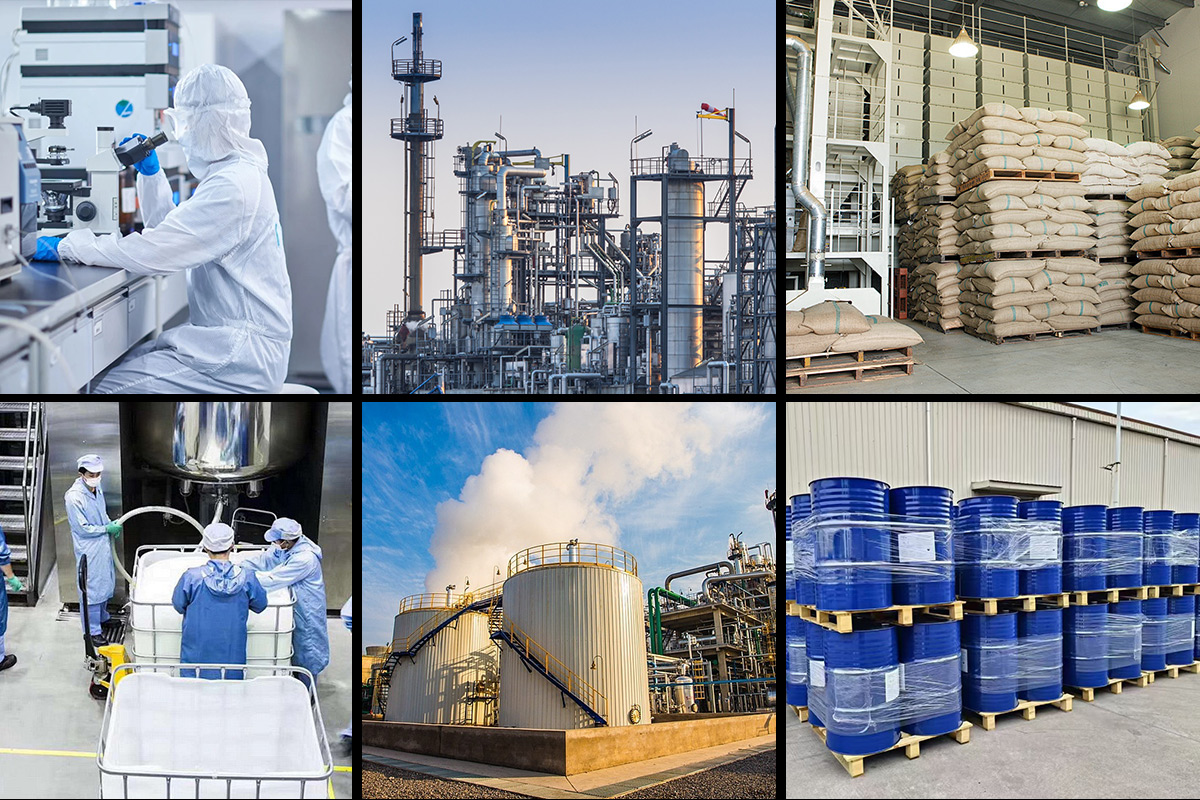
Factory and Equipment Show