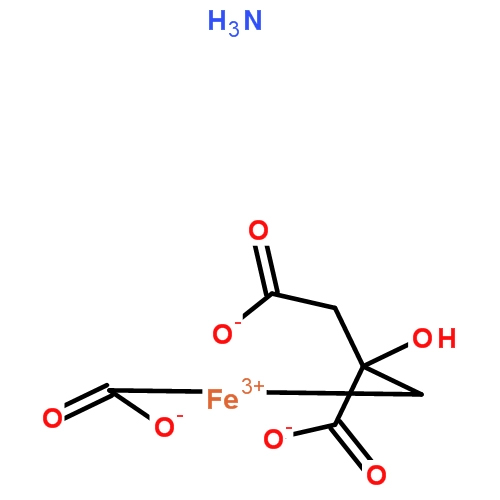


Ammonium ferric citrate CAS#1185 57-5
High Purity Level: Ammonium ferric citrate features an industrial-grade purity of ≥99%, ensuring consistent quality.
Excellent Water Solubility: It is highly soluble in water, enabling easy formulation and application in aqueous systems.
Stable Chemical Properties: The compound is chemically stable under normal conditions, supporting reliable storage and handling.
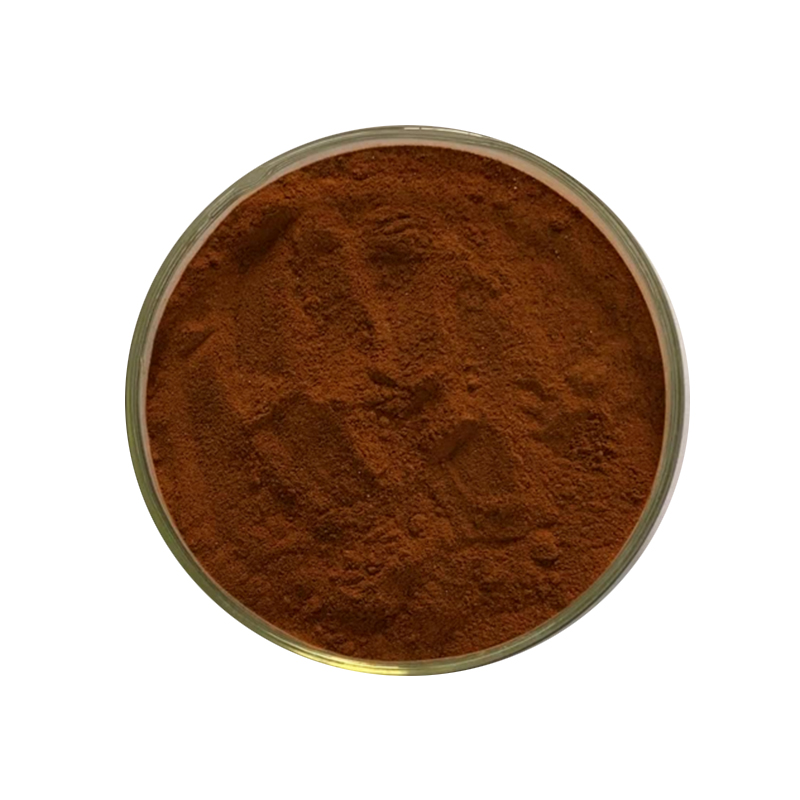
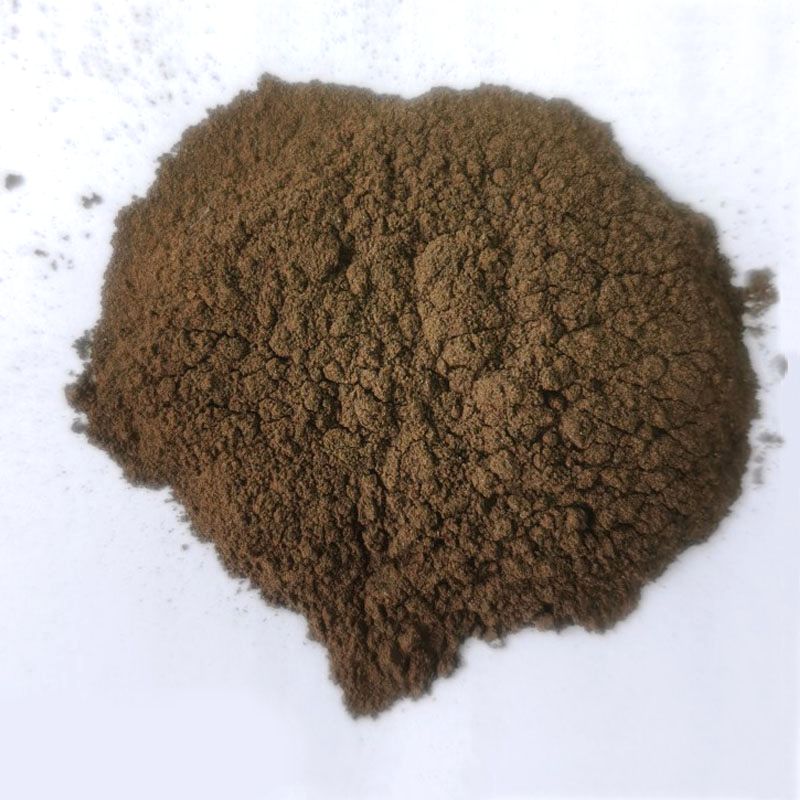
Defined Physical Characteristics: It is a brownish-red amorphous powder with negligible vapor pressure, making it suitable for safe and controlled use.
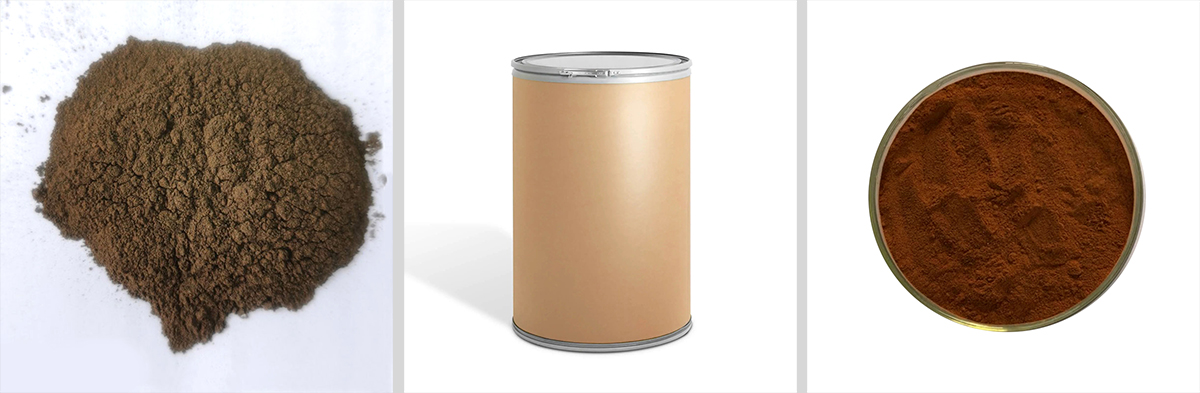
Ammonium ferric citrate Chemical Properties
| Melting point | >193°C (dec.) |
| Boiling point | 498℃[at 101 325 Pa] |
| density | 1.06[at 20℃] |
| vapor pressure | 0Pa at 25℃ |
| storage temp. | Store at RT. |
| solubility | 1200g/l |
| form | powder |
| color | Green |
| Odor | Odorless to slight ammonia odor |
| PH | 5.0~8.0 |
| biological source | synthetic |
| Water Solubility | 1200 g/L (20 ºC) |
| Sensitive | Hygroscopic |
| Merck | 144017 |
| Exposure limits | ACGIH: TWA 1 mg/m3 |
| NIOSH: TWA 1 mg/m3 | |
| Stability: | Hygroscopic |
| Cosmetics Ingredients Functions | HAIR DYEING |
| LogP | -0.737 at 25℃ |
| CAS DataBase Reference | 1185-57-5(CAS DataBase Reference) |
| EPA Substance Registry System | Ferric ammonium citrate (1185-57-5) |
Safety Information
| Hazard Codes | Xi |
| Risk Statements | 36/37/38 |
| Safety Statements | 26-36 |
| RIDADR | UN 9118 |
| WGK Germany | 3 |
| RTECS | GE7540000 |
| F | 46089 |
| TSCA | TSCA listed |
| HS Code | 29181500 |
| Hazardous Substances Data | 1185-57-5(Hazardous Substances Data) |
| Toxicity | LD50 orally in Rabbit: > 2000 mg/kg |

Product Application of Ammonium Ferric Citrate CAS#1185-57-5
Ammonium ferric citrate is widely used as a food-grade iron fortifier, offering better absorption compared to inorganic iron sources. According to regulations in China, it can be applied in salt and sandwich sugar at levels of 4000–8000 mg/kg. In high-iron cereals and related products (with a recommended daily intake of 50 g), the usage ranges from 1200 to 1350 mg/kg. For dairy products and infant foods, the recommended amount is 400–800 mg/kg, while in cereals and their derivatives, it is used at 160–330 mg/kg. In beverages, the typical application level is 70–140 mg/kg.