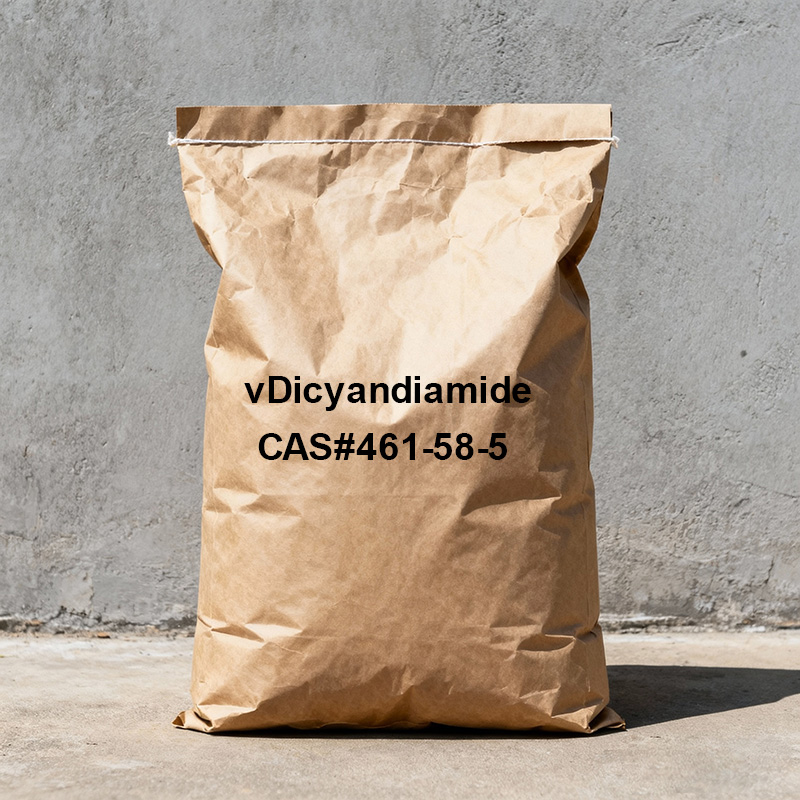
Dicyandiamide CAS#461-58-5
Excellent Chemical Stability and SafetyL: Dicyandiamide is non-flammable and remains stable in dry conditions, ensuring safe handling and storage.
Good Solubility in Polar Solvents: It is readily soluble in water, alcohol, ethylene glycol, and dimethylformamide, allowing flexibility in various formulations.
Effective Latent Curing Agent: As an early-developed heat-curing latent curing agent, it remains stable at room temperature and activates efficiently upon heating.
Efficient Thermal Reactivity: It dissolves and rapidly cures near its melting point, providing reliable performance in epoxy resin systems.
Products Description of Dicyandiamide CAS#461-58-5
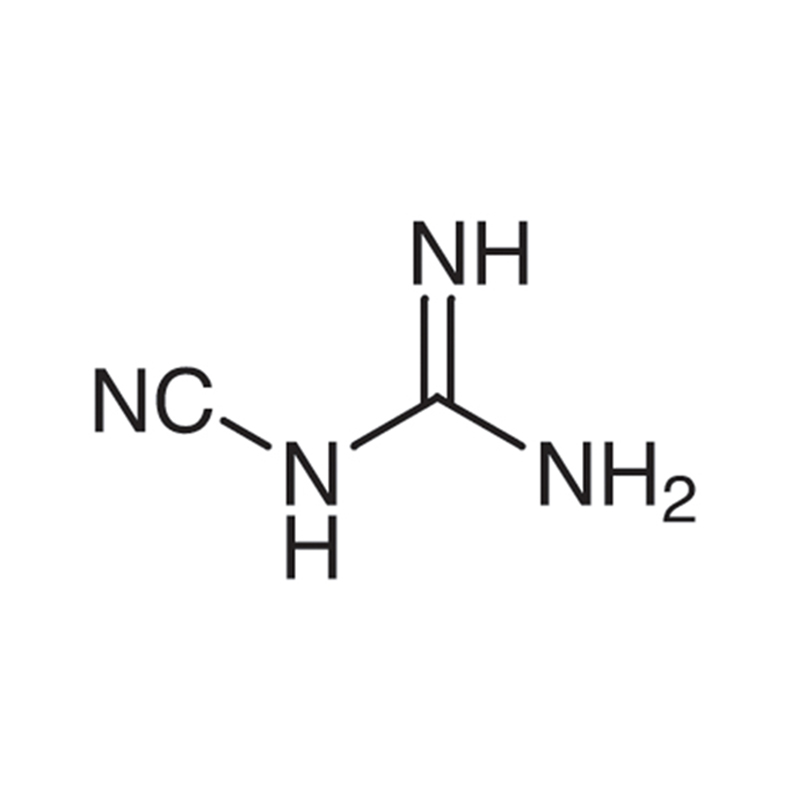
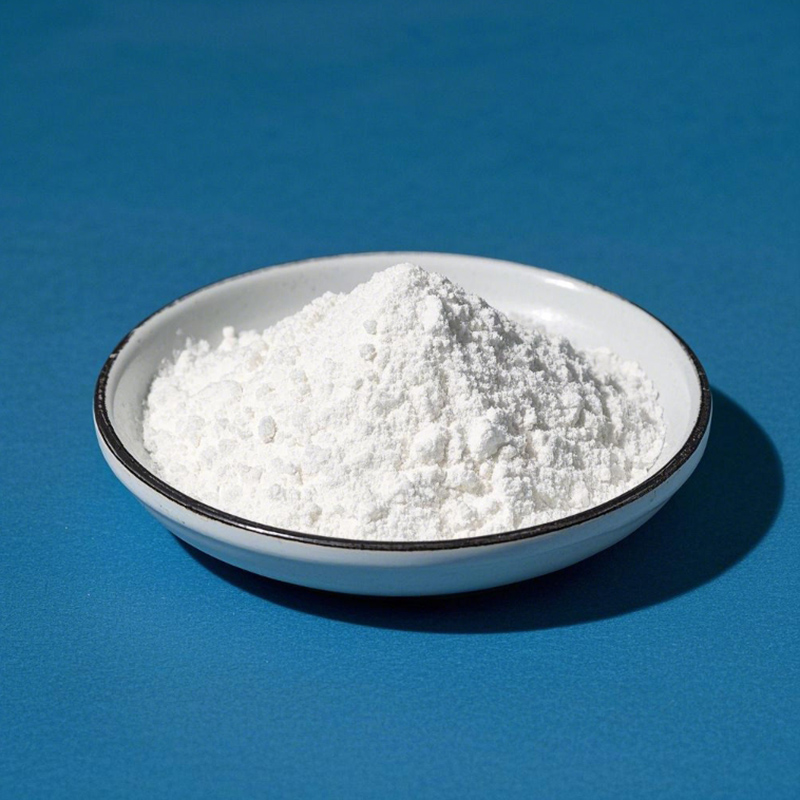
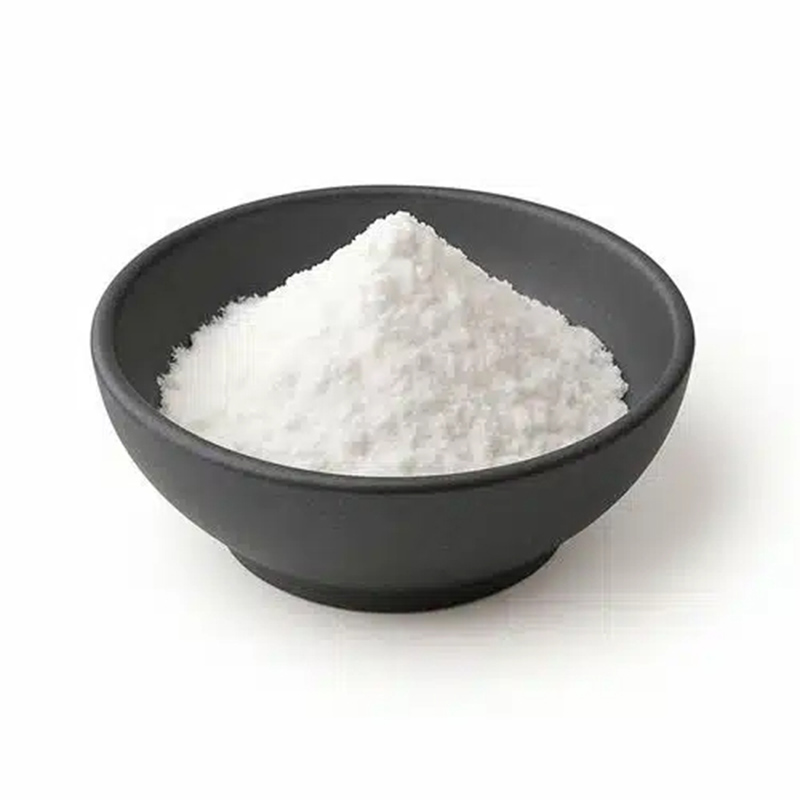
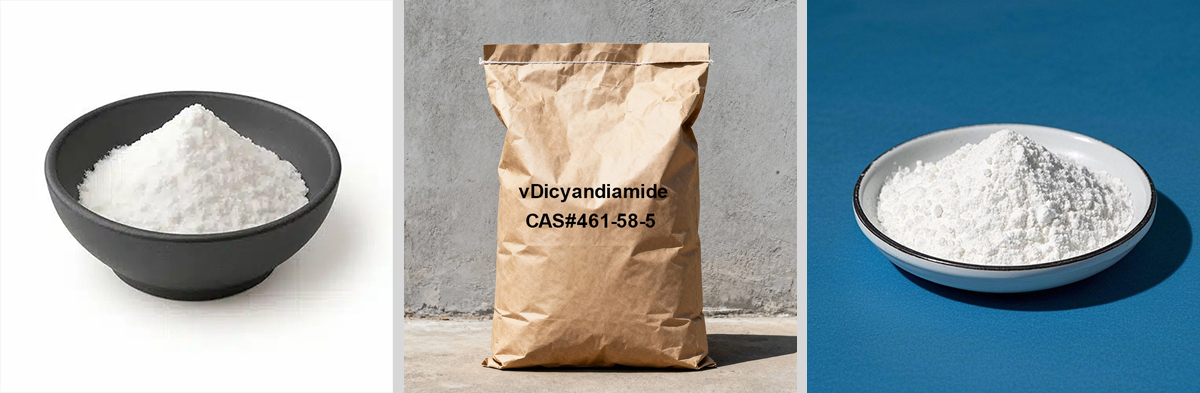
Dicyandiamide, abbreviated as DICY or DCD, is a dimer of cyanamide and a cyano derivative of guanidine. It is a white crystalline powder. It is soluble in water, alcohol, ethylene glycol, and dimethylformamide, but almost insoluble in ether and benzene. It is non-flammable and stable when dry.
Dicyanamide curing agents belong to one of the earliest types of heat-curing latent curing agents. At room temperature, it is a solid, insoluble in epoxy resin, and dispersed in epoxy resin as microparticles. Upon heating, it begins to dissolve and rapidly cure once heated to near its melting point.
Aqueous solutions of dicyandiamide slowly decompose to produce ammonia above 80°C. When dicyandiamide crystals are heated to their melting point, they melt and immediately generate intense heat, producing melamine, cyanuric acid, etc.
Parameters
| Melting point | 208-211 °C (lit.) |
| Boiling point | 144.35°C (rough estimate) |
| density | 1.4 |
| bulk density | 400kg/m3 |
| vapor pressure | 0.001Pa at 20℃ |
| refractive index | 1.6260 (estimate) |
| storage temp. | 2-8°C |
| solubility | H2O: 0.1 g/mL, clear |
| pka | 0.73±0.70(Predicted) |
| form | Crystalline Powder |
| color | White |
| biological source | rabbit |
| Water Solubility | 32 g/L (20 ºC) |
| Merck | 143092 |
| BRN | 605637 |
| Stability: | Stable. Incompatible with strong acids, strong oxidizing agents, strong bases. |
| InChIKey | QGBSISYHAICWAH-UHFFFAOYSA-N |
| LogP | -1 at 20℃ |
| CAS DataBase Reference | 461-58-5(CAS DataBase Reference) |
| NIST Chemistry Reference | Dicyandiamide(461-58-5) |
| EPA Substance Registry System | Dicyanodiamide (461-58-5) |
Safety Information
| Hazard Codes | Xn,T |
| Risk Statements | 20/21/22-43-36/38-25 |
| Safety Statements | 22-24/25-45-36-3 |
| RIDADR | UN 2811 6.1 / PGIII |
| WGK Germany | 1 |
| RTECS | ME9950000 |
| TSCA | Yes |
| HS Code | 29262000 |
| Hazardous Substances Data | 461-58-5(Hazardous Substances Data) |
| Toxicity | LD50 orally in Rabbit: > 5000 mg/kg LD50 dermal Rabbit > 2000 mg/kg |
Product Application of Dicyandiamide CAS#461-58-5
The main uses of dicyandiamide are: (1) as a raw material for guanidine salts and melamine. Various guanidine salts can be manufactured by reacting dicyandiamide with acid. Benzyl melamine obtained by reacting dicyandiamide with phenyl nitrile is an intermediate for coatings, laminates, and molding powders. (2) as a dye fixing agent. Dicyandiamide resin obtained by reacting dicyandiamide with formaldehyde can be used as a dye fixing agent. (3) dicyandiamide fertilizer. Dicyandiamide compound fertilizer can control the activity of nitrifying chemicalbook bacteria, regulate the conversion rate of nitrogen fertilizer in the soil, reduce nitrogen loss, and improve fertilizer utilization efficiency. (4) as a fine chemical intermediate. In medicine, it is used to produce guanidine nitrate, sulfonamide drugs, etc.; it is also used to produce thiourea, nitrocellulose stabilizers, rubber vulcanization accelerators, steel surface hardeners, artificial leather fillers, adhesives, etc. The pharmaceutical intermediate 5-azacytosine can be obtained by reacting dicyandiamide with formic acid.