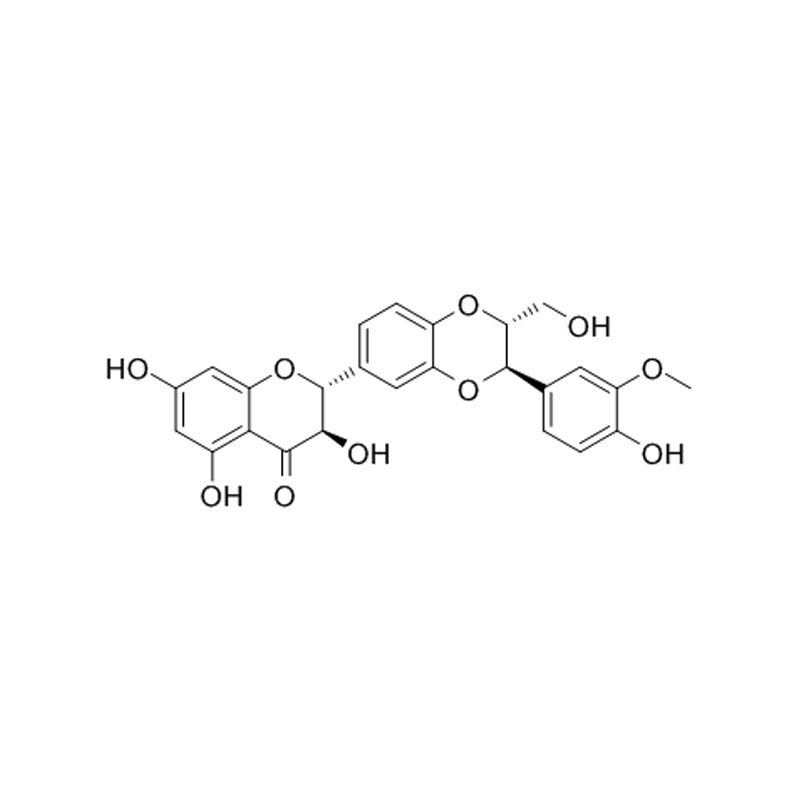
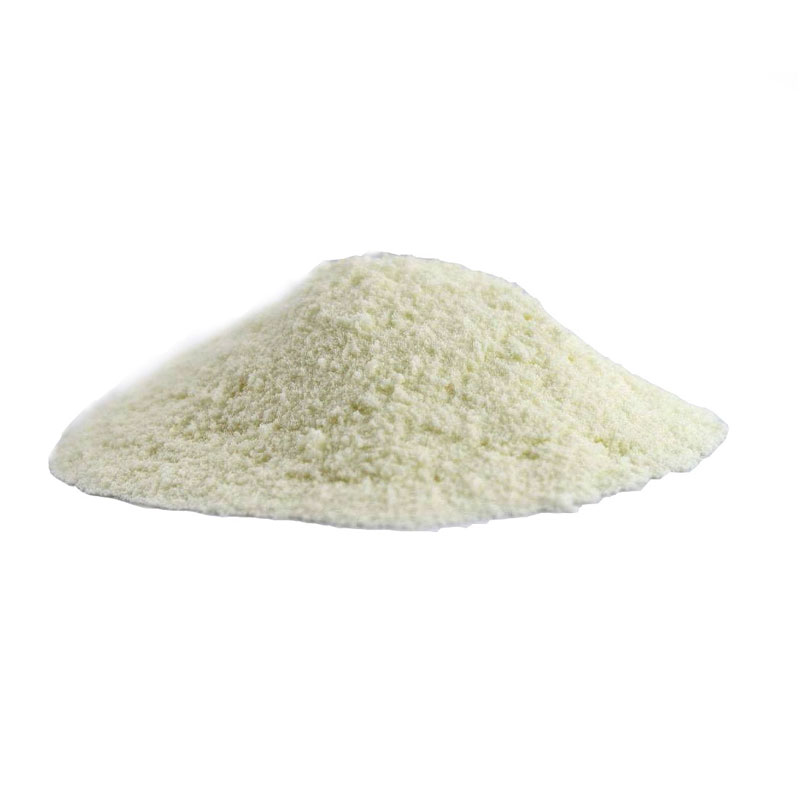
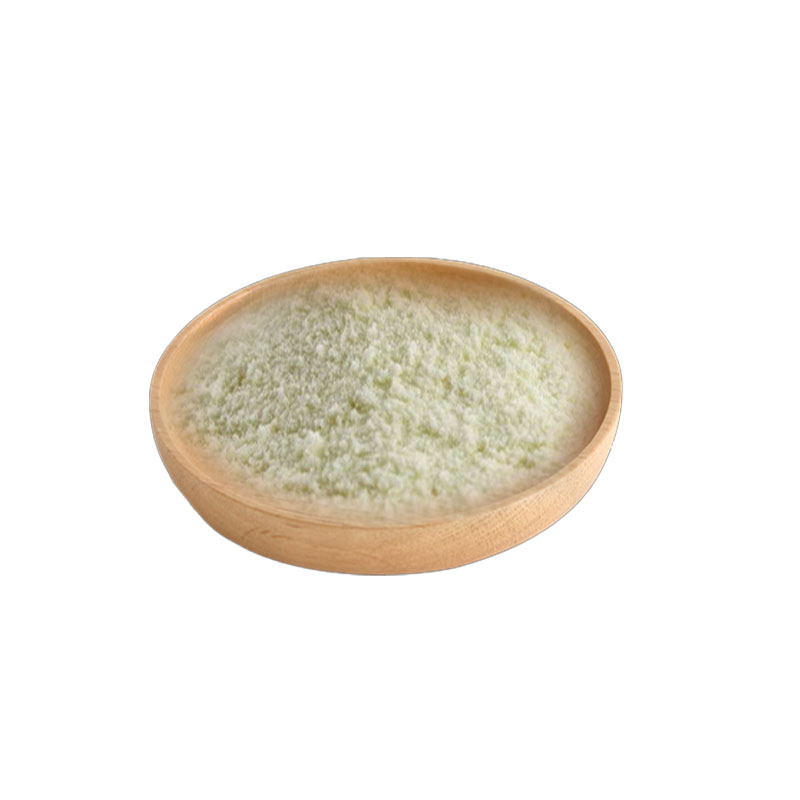
Silybin CAS#22888-70-6
Primary Active Component of Silymarin – Represents 70–80% of the silymarin complex, ensuring high biological potency.
Strong Antioxidant and Anti-Inflammatory Activity – Effectively protects cells against oxidative stress and inflammation.
Broad Pharmacological Benefits – Exhibits anticancer, antidiabetic, antiviral, antimicrobial, and immunomodulatory properties.
Powerful Organ Protection – Provides significant hepatoprotective and neuroprotective effects.
Products Description of Silybin CAS#22888-70-6
Silybin, also referred to as silibinin, is the main biologically active component of the silymarin complex, accounting for approximately 70–80%, and consists of a mixture of silybin A and silybin B. Pharmacological studies have shown that silybin exhibits a wide range of biological activities, including strong antioxidant, anti-inflammatory, anticancer, antidiabetic, hepatoprotective, neuroprotective, antiviral, antimicrobial, and immunosuppressive effects.
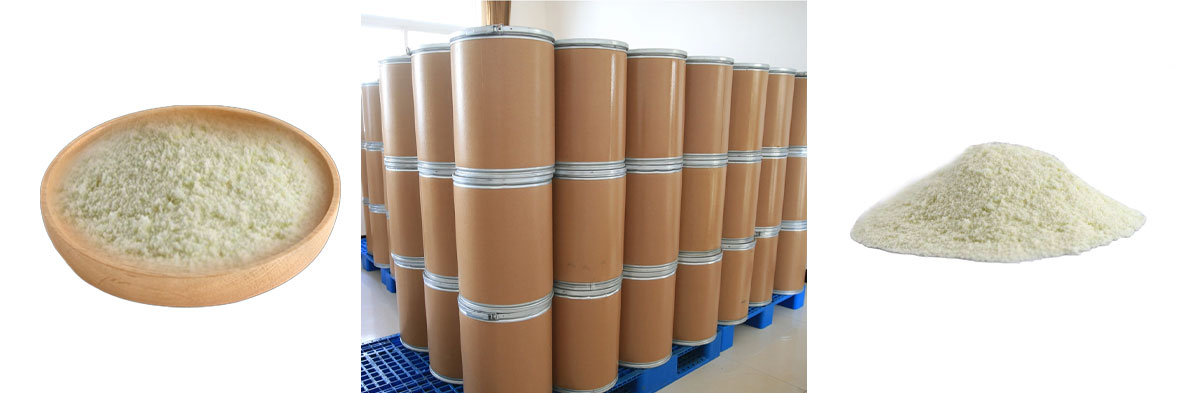
Parameters
| Melting point | 164-174°C |
| alpha | D20 +11° (c = 0.25 in acetone + alcohol) |
| Boiling point | 793.0±60.0 °C(Predicted) |
| density | 1.527±0.06 g/cm3(Predicted) |
| storage temp. | -20°C |
| solubility | Acetone (Sparingly), DMSO, Methano (Sparingly) |
| form | Solid |
| pka | pKa 6.42±0.04 (Uncertain) |
| color | Pale Yellow |
| Water Solubility | 54mg/L(24.99 ºC) |
| Merck | 138,607 |
| Stability: | Stable. Incompatible with strong oxidizing agents, strong bases. |
| LogP | 4.232 (est) |
| CAS DataBase | 22888-70-6(CAS DataBase Reference) |
| Reference | |
| Hazard Codes | Xi |
| Risk Statements | 36/37/38 |
| Safety Statements | 26-37/39-24/25-22-36 |
| RIDADR | 3172 |
| WGK Germany | 3 |
| RTECS | DJ2981770 |
| HS Code | 29329990 |
| Toxicity | LD50 intravenous in mouse: 1056mg/kg |

Product Application of Silybin CAS#22888-70-6
Silibinin has been applied in various research studies, including:
Investigating its effects on the expression of genes related to chromatin regulation in prostate cancer using real-time polymerase chain reaction (RT-PCR).
Evaluating its influence on cell proliferation in platelet-derived growth factor (PDGF)–treated human Tenon’s fibroblasts (HTFs) by analyzing proliferating cell nuclear antigen (PCNA) expression and conducting water-soluble tetrazolium salt (WST-1) assays.
Examining its impact on the gene expression of stromelysin-1 (STM1), acetyl hexosamines, and collagen synthesis during the process of skin wound healing.
Studying its inhibitory activity against Escherichia coli ATP synthase.