
Potassium iodide CAS#7681-11-0

  • Excellent Solubility and Iodine Complexing Ability: Highly soluble in water and various organic solvents, and capable of dissolving iodine to form triiodide (I₃⁻), making it valuable in analytical and chemical applications.

  • Effective Iodine Supplement Source: Widely used as a non-radioactive iodine source in iodized salt to help prevent goiter and other iodine deficiency disorders.

  • Protective Thyroid Support: Can block the absorption of radioactive iodine (I-131) by the thyroid, offering protective benefits in radiation exposure scenarios.

  • Functional Biological Activity: Acts as a hydroxyl radical scavenger and expectorant, contributing to its pharmaceutical and therapeutic relevance.


Product Details

Potassium Iodide (CAS#7681-11-0)

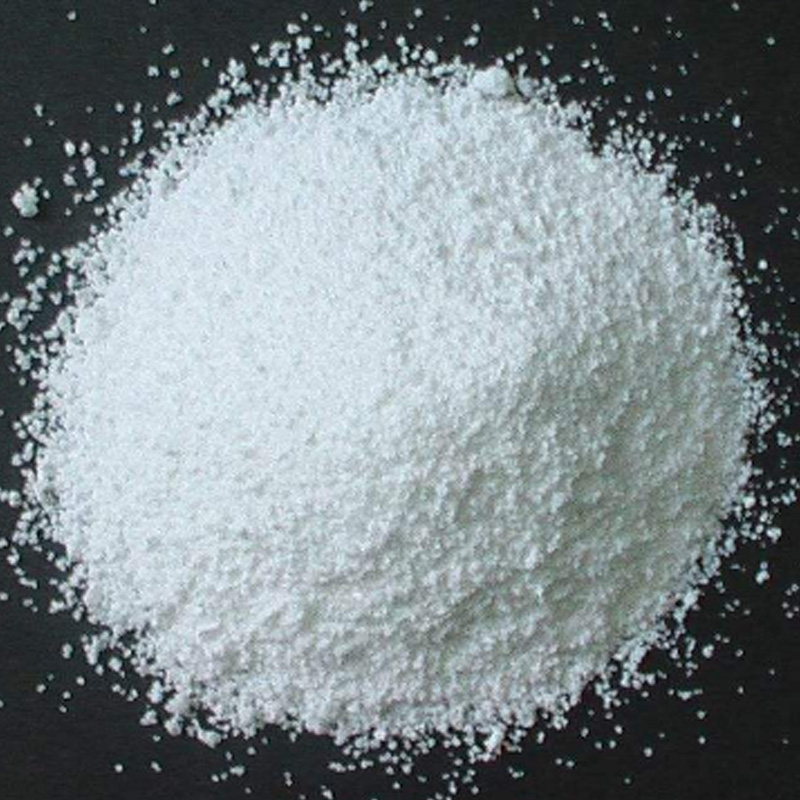
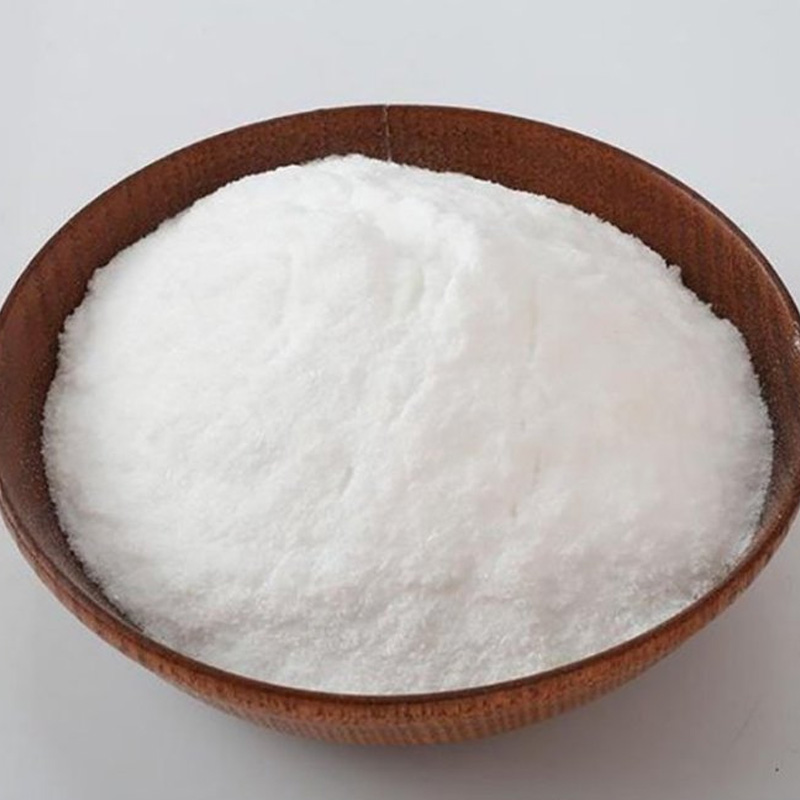
Potassium iodide appears as white crystals, granules, or powder with a strong, bitter, saline taste. When exposed to bright light, it may gradually turn yellow due to photochemical decomposition that releases small amounts of free iodine. It is readily soluble in water, alcohol, acetone, and glycerol, and slightly soluble in ether and ammonia.

It can be prepared by reacting iodine with hot potassium hydroxide solution, followed by separation from the iodate by-product through fractional crystallization. In aqueous solution, potassium iodide can dissolve iodine to form the brown triiodide ion (I₃⁻).

The compound is widely used as an analytical reagent and in photography. It is also added to table salt to help prevent goiter and other disorders associated with iodine deficiency.

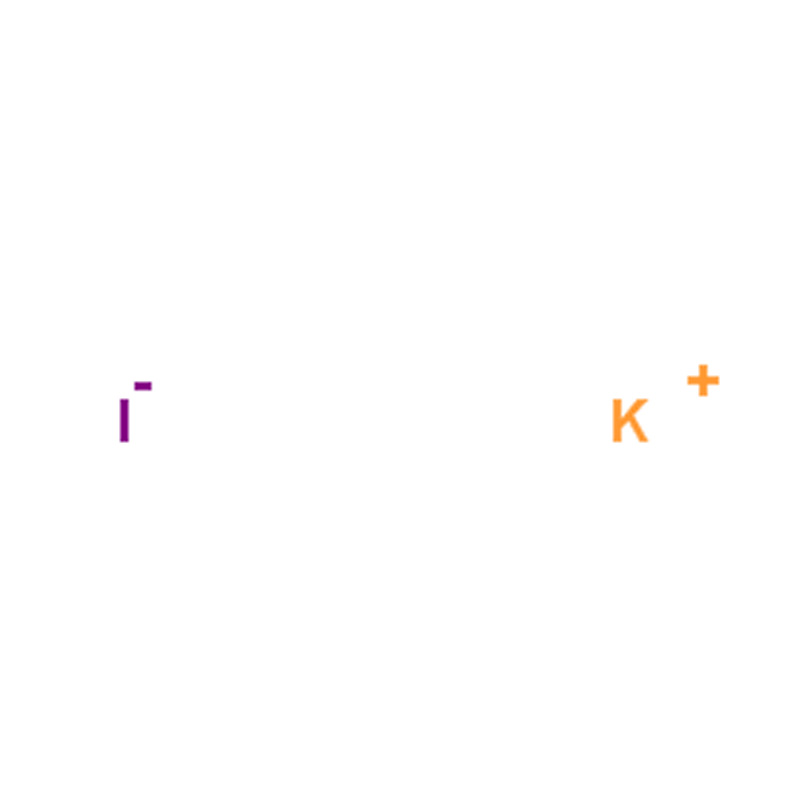
Chemically, potassium iodide is a metal iodide salt containing a potassium (K⁺) counterion. It acts as a hydroxyl radical scavenger and functions as an expectorant. As a non-radioactive source of iodine, it can help prevent the absorption of radioactive iodine (I-131) by the thyroid.
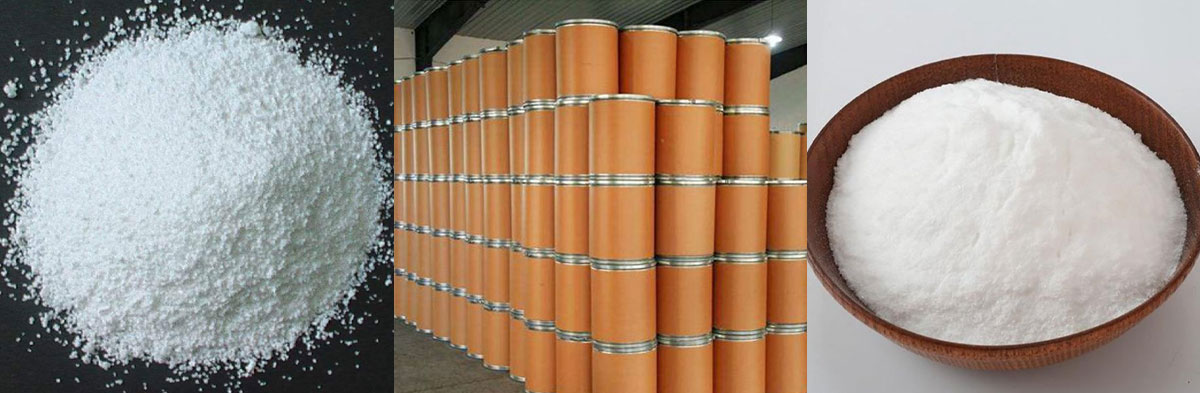

Potassium iodide CAS#7681-11-0

Potassium iodide Chemical Properties

Melting point 681 °C (lit.)
Boiling point 184 °C(lit.)
bulk density1500kg/m3
density 1.7 g/cm3
vapor density 9 (vs air)
vapor pressure 0.31 mm Hg ( 25 °C)
refractive index 1.677
Fp 1330°C
storage temp. 2-8°C
solubility H2O: 1 M at 20 °C, clear, colorless
pka0.06[at 20 ℃]
form particles (round)
color Yellow
Specific Gravity3.13
Odorodorless
PH6.0-9.0 (25℃, 1M in H2O)
Flame ColorViolet or light purple
biological sourcerabbit
Water Solubility 1.43 kg/L
Sensitive Hygroscopic
Merck 147643
Exposure limitsACGIH: TWA 0.01 ppm
Dielectric constant5.12
BCS Class1
Stability:Stable. Protect from light and moisture. Incompatible with strong reducing agents, strong acids, steel, aluminium, alkali metals, brass, magnesium, zinc, cadmium, copper, tin, nickel and their alloys.
Cosmetics Ingredients FunctionsANTIMICROBIAL
InChIKeyNLKNQRATVPKPDG-UHFFFAOYSA-M
LogP-0.958 at 25℃
CAS DataBase Reference7681-11-0(CAS DataBase Reference)
NIST Chemistry ReferencePotassium iodide(7681-11-0)
EPA Substance Registry SystemPotassium iodide (7681-11-0)
Absorptioncut-off at 273nm in H2O at 1M

Safety Information

Hazard Codes Xn
Risk Statements 26
Safety Statements 22-36/38
WGK Germany 1
RTECS TT2975000
10
TSCA TSCA listed
HS Code 28276000
Hazardous Substances Data7681-11-0(Hazardous Substances Data)
ToxicityApprox LD i.v. in rats: 285 mg/kg (Hildebrandt)

Potassium iodide CAS#7681-11-0

Product Application of Potassium Iodide (CAS#7681-11-0)

Potassium iodide was initially employed as the primary halide in Talbot’s calotype process, later in the albumen-on-glass technique, and subsequently in the wet collodion process. It has also served as a secondary halide in silver bromide gelatin emulsions. In addition, it is used in animal feed, as a catalyst, in photographic chemicals, and for sanitation purposes.

Industrial production involves reacting potassium hydroxide with iodine, followed by purification through crystallization from water.

As an ionic compound, potassium iodide reacts with silver ions to form yellow silver iodide precipitate, which decomposes upon exposure to light and has been utilized in the production of high-speed photographic film. Silver nitrate can also be applied to detect the presence of iodide ions.

Potassium iodide CAS#7681-11-0

Leave your messages

Related Products

x

Popular products

x