
Phenylhydrazine CAS#100-63-0

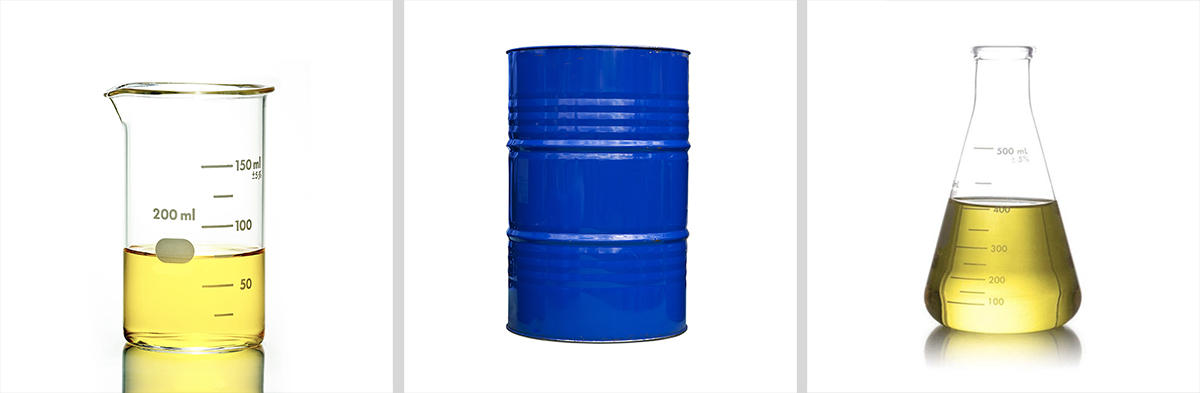
  • Excellent Solubility in Organic Solvents: Phenylhydrazine is readily soluble in alcohol, ether, chloroform, and benzene, making it highly suitable for a variety of organic synthesis and laboratory applications.

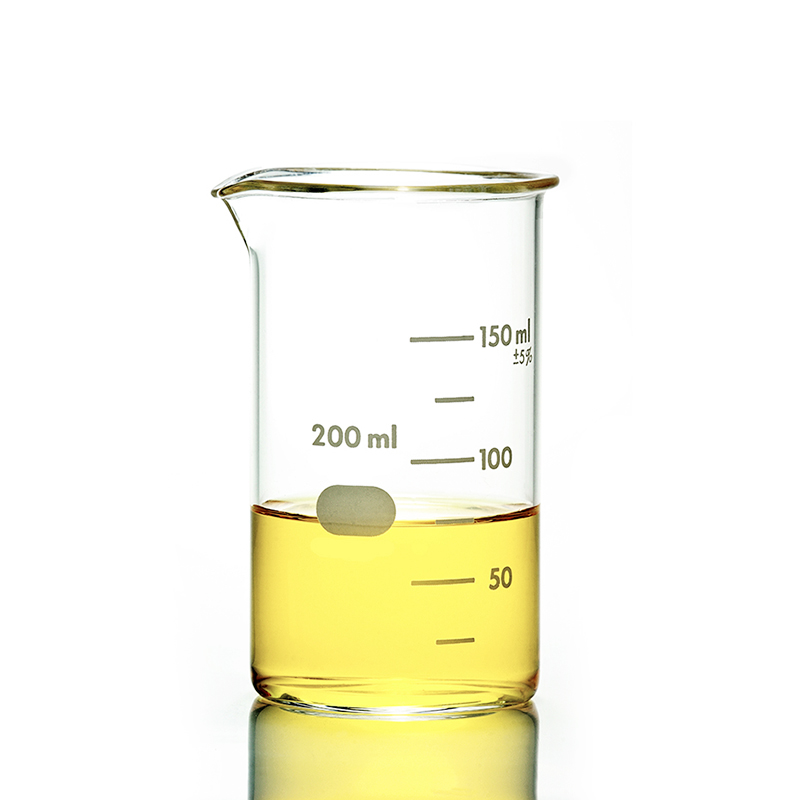
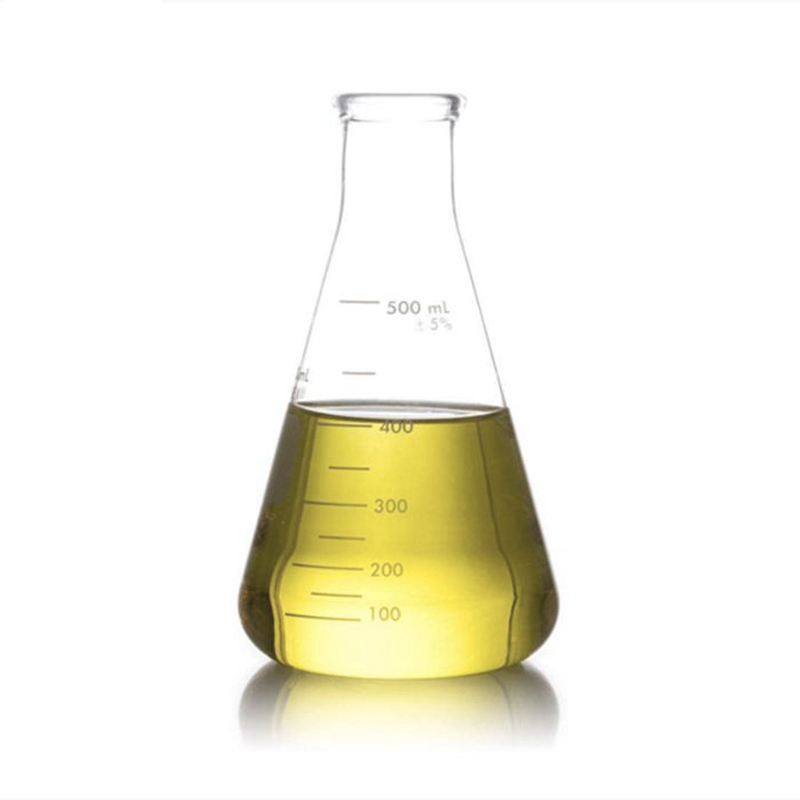
  • Versatile Physical Properties: Available as a pale yellow oily liquid, it possesses well-defined physical characteristics, including a melting point of 19.8°C and a boiling point of 173.5°C/13.33 kPa.

  • Steam Distillation Compatibility: The compound can be co-distilled with steam, providing flexibility in purification and processing operations.

  • Available in Multiple Forms: In addition to the liquid form, phenylhydrazine is also available as phenylhydrazine hydrochloride, a solid derivative with a decomposition temperature of 250–254°C, offering broader application possibilities.

Contact Now E-Mail Telephone WhatsApp
Product Details

Phenylhydrazine CAS#100-63-0

Phenylhydrazine is a pale yellow oily liquid with a melting point of 19.8°C and a boiling point of 173.5°C at 13.33 kPa. It has a refractive index of n²⁰D 1.608 and a relative density of 1.0978 at 20°C.

It is slightly soluble in water and petroleum ether, while readily soluble in alcohol, ether, chloroform, and benzene. The compound can be distilled with steam and tends to darken upon exposure to air.

Phenylhydrazine hydrochloride (CAS#59-88-1) is a solid form of the compound, with a decomposition melting point of 250–254°C.

Phenylhydrazine CAS#100-63-0

Phenylhydrazine Chemical Properties

Melting point 18-21 °C (lit.)
Boiling point 238-241 °C (lit.)
density 1.098 g/mL at 25 °C (lit.)
vapor density 4.3 (vs air)
vapor pressure <0.1 mm Hg ( 20 °C)
refractive index n20/D 1.607(lit.)
Fp 192 °F
storage temp. Store below +30°C.
solubility Soluble in dilute acids.
form Powder
pka8.79(at 15℃)
color White to slightly blue or light beige
explosive limit1.1%(V)
Water Solubility 145 g/L (20 ºC)
Sensitive Air & Light Sensitive
Merck 147293
BRN 606080
Dielectric constant7.2(23℃)
Exposure limitsTLV-TWA skin 0.1 ppm (0.44 mg/m3) (ACGIH), 5 ppm (22 mg/m3) (OSHA); STEL 10 ppm (44 mg/m3) (OSHA); carcinogenicity: A2-Suspected Human Carcinogen (ACGIH), Carcinogen (NIOSH). .
Stability:Stable, but may decompose in sunlight. May be air or light sensitive. Incompatible with strong oxidizing agents, metal oxides.
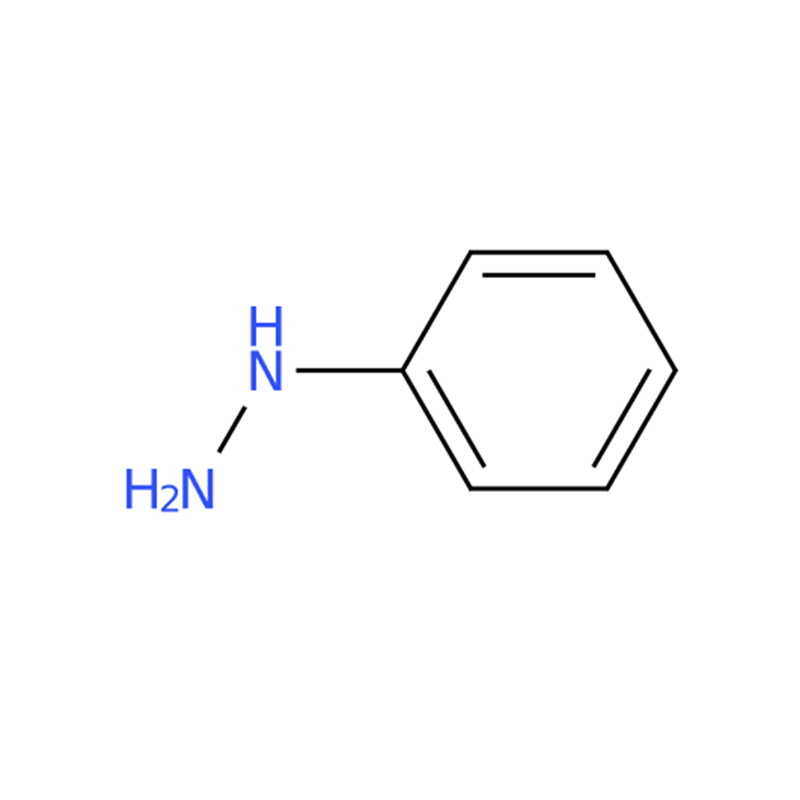
InChI1S/C6H8N2/c7-8-6-4-2-1-3-5-6/h1-5,8H,7H2
InChIKeyHKOOXMFOFWEVGF-UHFFFAOYSA-N
SMILESNNc1ccccc1
CAS DataBase Reference100-63-0(CAS DataBase Reference)
NIST Chemistry ReferenceHydrazine, phenyl-(100-63-0)
EPA Substance Registry SystemPhenylhydrazine (100-63-0)

Safety Information

Hazard Codes T,N
Risk Statements 45-23/24/25-36/38-43-48/23/24/25-50-68
Safety Statements 53-45-61
RIDADR UN 2572 6.1/PG 2
OELCeiling: 0.14 ppm (0.6 mg/m3) [2-hr] [skin]
WGK Germany 3
RTECS MV8925000
39744
Autoignition Temperature345 °F
TSCA TSCA listed
HS Code 2928 00 90
HazardClass 6.1
PackingGroup II
Storage Class6.1A - Combustible, acute toxic Cat. 1 and 2
very toxic hazardous materials
Hazard ClassificationsAcute Tox. 3 Dermal
Acute Tox. 3 Inhalation
Acute Tox. 3 Oral
Aquatic Acute 1
Carc. 1B
Eye Irrit. 2
Muta. 2
Skin Irrit. 2
Skin Sens. 1
STOT RE 1
Hazardous Substances Data100-63-0(Hazardous Substances Data)
ToxicityLD50 orally in Rabbit: 188 mg/kg
IDLA15 ppm

Phenylhydrazine CAS#100-63-0

Product Application of Phenylhydrazine CAS#100-63-0

In pesticide manufacturing, phenylhydrazine is used to synthesize key intermediates such as 1-phenyl-semicarbazide for organophosphorus pesticide triazophos, as well as 1-phenyl-3,6-dihydroxypyridazine for pyridaphenthione. It also serves as an intermediate in the development of new fungicides, including famoxadone and fenamidone.

As an important raw material in organic synthesis, phenylhydrazine is widely used in the dye and pharmaceutical industries. It can be used to produce Naphthol AS-G, as well as pharmaceuticals such as antipyrine. It can also form phenylhydrazone through reaction with benzaldehyde in ethanol under reflux conditions, which itself is an important intermediate in organic synthesis.

In analytical chemistry, phenylhydrazine is used as a reagent for qualitative and quantitative analysis. As a weak base, it can precipitate metals such as lead and chromium in the form of hydroxides, and it is also used for photometric determination of elements including aluminum, copper, molybdenum, titanium, and zirconium. Additionally, it is applied in the verification of precious metals such as gold, iridium, palladium, platinum, and silver.

Furthermore, phenylhydrazine can act as a reducing agent in the colorimetric analysis of phosphorous acid. It also reacts with aldehydes, ketones, and sugars to form phenylhydrazones with characteristic melting points, which are useful for the identification of these compounds.

Phenylhydrazine CAS#100-63-0

Leave your messages

Related Products

x

Popular products

x