
Sodium Silicate CAS#1344-09-8
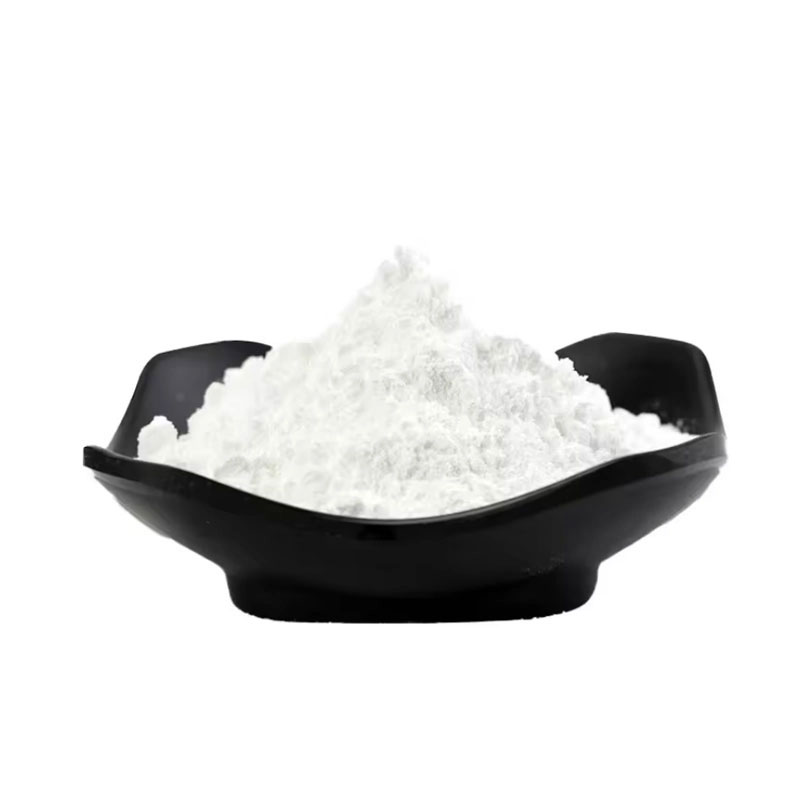
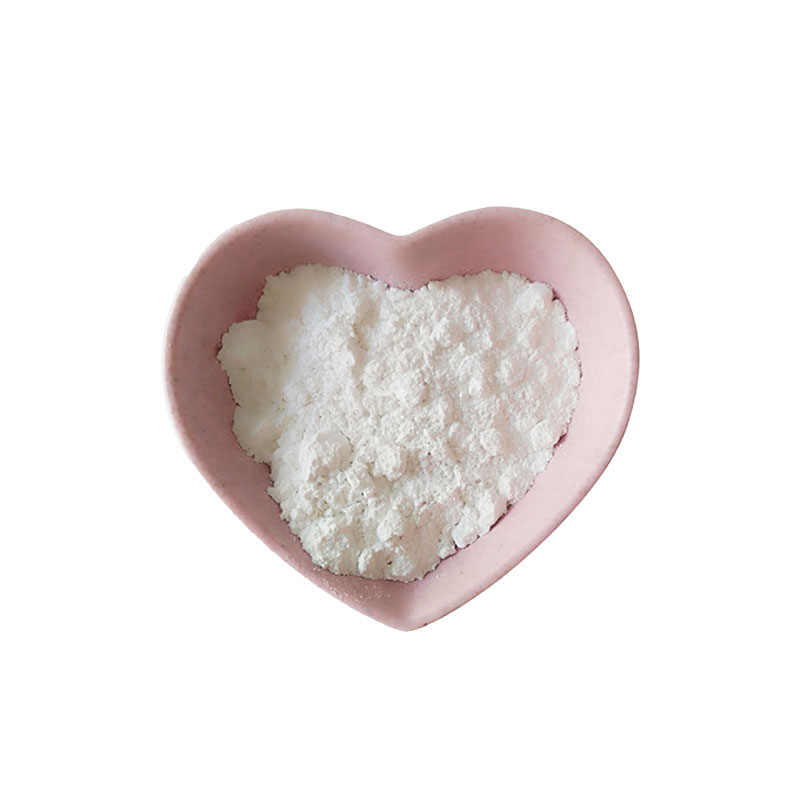
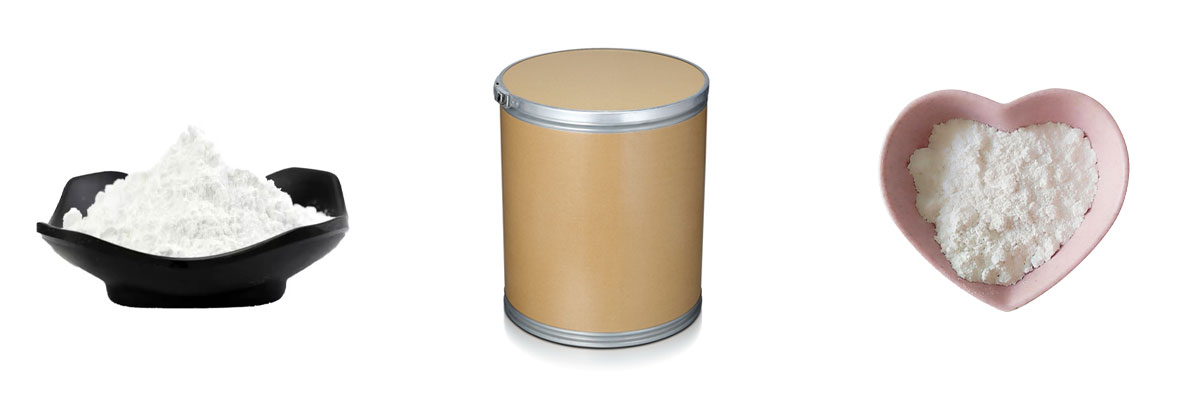
Versatile Physical Forms – Available as greenish glass lumps, white powders with different solubilities, or clear and cloudy liquid solutions, allowing flexible use in various industrial applications.
Water and Steam Solubility – Easily dissolves in steam under pressure and in water, making it convenient for formulation, processing, and industrial reactions.
Non-Combustible Material – Sodium silicate itself does not burn, providing good fire resistance and making it suitable for applications requiring nonflammable materials.
Widely Used Basic Glass Material – As the simplest form of glass, it serves as an essential raw material and functional component in many chemical and industrial processes.
Parameters
| Melting point | 1410 °C(lit.) |
| Boiling point | 2355 °C(lit.) |
| density | 2.33 g/mL at 25 °C(lit.) |
| refractive index | 1.52 |
| storage temp. | -20°C |
| solubility | H2O: soluble |
| form | powder |
| color | Colorless |
| Odor | Odorless |
| PH | 13.5 (20°C in H2O) |
| biological source | mouse |
| Water Solubility | very slightly soluble cold H2O [MER06] |
| Merck | 138,751 |
| Dielectric constant | 16.0(Ambient) |
| Stability: | Stable. Incompatible with acids, most metals, many organic materials. |
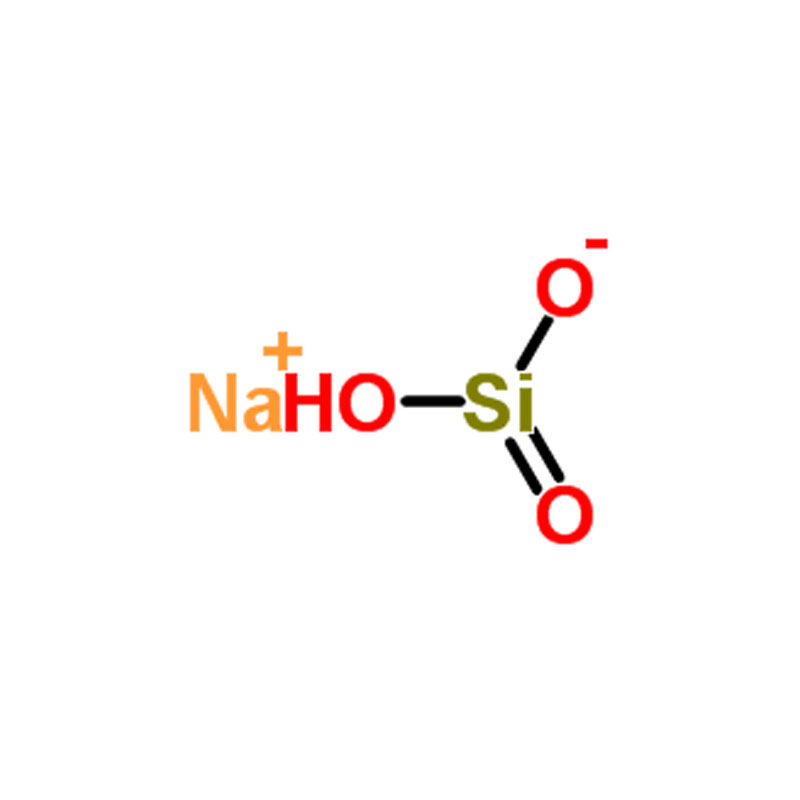
| InChIKey | NTHWMYGWWRZVTN-UHFFFAOYSA-N |
| CAS DataBase Reference | 1344-09-8(CAS DataBase Reference) |
| EPA Substance Registry System | Sodium silicate (1344-09-8) |
Safety Information
| Hazard Codes | F,Xi,T,C |
| Risk Statements | 11-36/38-34-23/24/25-36/37/38-35-20/21/22-37 |
| Safety Statements | 26-36/37-45-7/9-28-36/37/39-36-27 |
| RIDADR | UN 2922 8/PG 2 |
| WGK Germany | 2 |
| RTECS | VW0400000 |
| F | 34 |
| HazardClass | 8 |
| PackingGroup | II |
| HS Code | 28391910 |
| Hazardous Substances Data | 1344-09-8(Hazardous Substances Data) |
| Toxicity | LD50 oral in rat: 1960mg/kg |

Product Application of Sodium Silicate CAS#1344-09-8
Sodium silicate (CAS#1344-09-8) is widely used across many industries. In the construction sector, it serves as an adhesive, an anti-corrosion coating, and a soil stabilizing agent. In industrial production, it is applied for bonding foundry molding sand, stabilizing printing and dyeing processes, and for deinking during paper sizing. In chemical engineering and environmental protection, it is utilized as a detergent additive, a flocculant in wastewater treatment, and an inhibitor in mineral processing.