
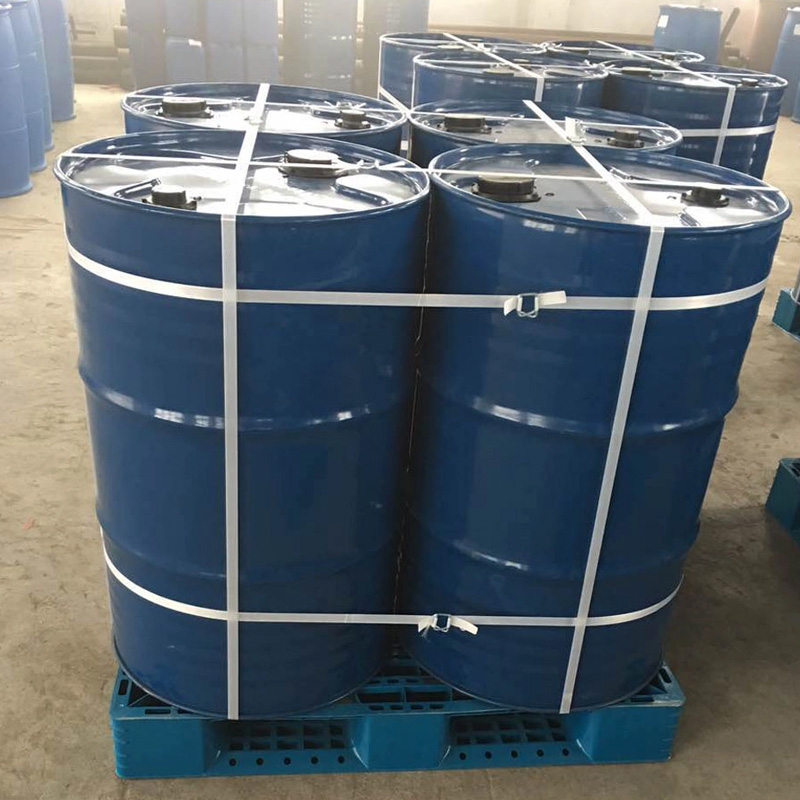
Linoleic acid CAS#60-33-3
Essential for Human Health: Linoleic acid supports crucial physiological functions, including the synthesis of phospholipids and lipid metabolism, helping maintain overall cellular and metabolic health.
Cholesterol Regulation: It can significantly reduce serum cholesterol levels, making it valuable in preventing and managing hyperlipidemia.
Skin, Hair, and Growth Support: Linoleic acid helps correct growth delays, skin and hair abnormalities, and abnormal serum or adipose tissue composition caused by essential fatty acid deficiency.
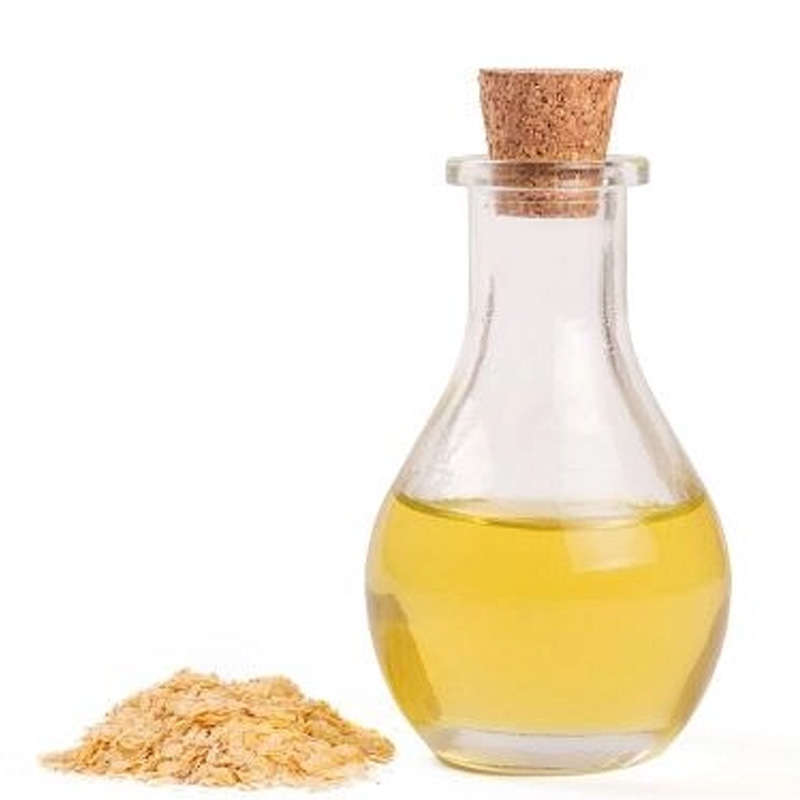
Widely Available from Plant Sources: Richly found in plant oils such as soybean, corn, and cottonseed oil, as well as in vegetable oils (excluding palm oil), fish fat, and poultry fat, making it accessible for dietary supplementation.
Linoleic Acid (CAS#60-33-3)
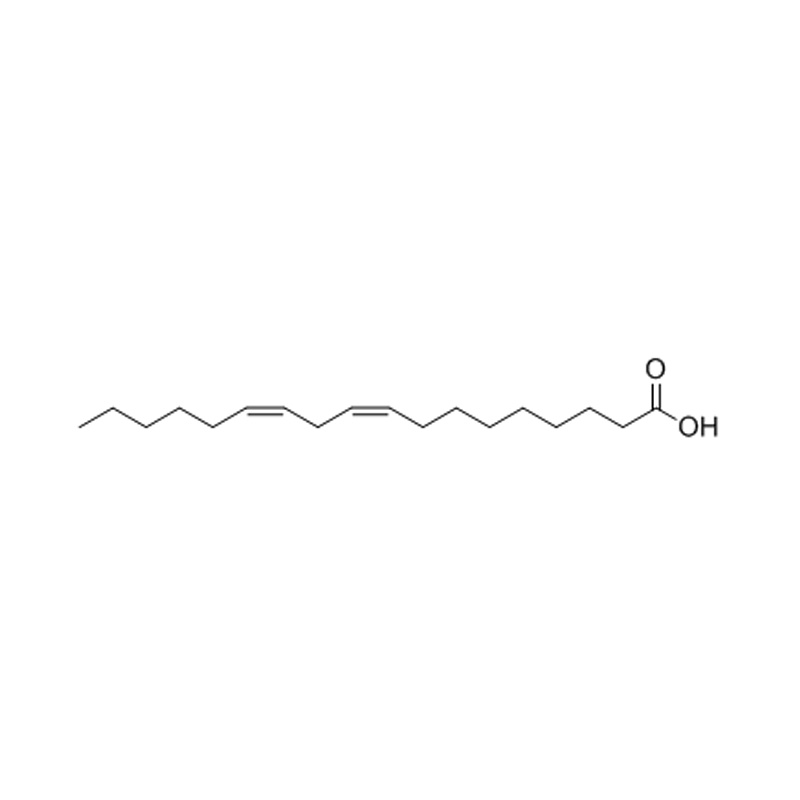
Linoleic acid, also known as cis-9,12-octadecadienoic acid, can be represented using “Δ” to denote the double bonds, as Δ9,12-octadecadienoic acid, or simply expressed as 9C,12C-18:2 or C18:2.
As a dietary component, linoleic acid plays a vital role in maintaining various physiological functions, including phospholipid synthesis and overall lipid metabolism. It helps significantly reduce serum cholesterol levels and is an important unsaturated fatty acid for the prevention and treatment of hyperlipidemia.
Linoleic acid also supports healthy growth and development, helping correct growth arrest, skin and hair abnormalities, and imbalances in serum or adipose tissue composition caused by essential fatty acid deficiencies. In humans, a deficiency can impair cell membrane function, and in infants, it may lead to eczema.
The main sources of linoleic acid are plant fats, particularly soybean oil, corn oil, and cottonseed oil. It is also present in vegetable oils (except palm oil), fish fat, and poultry fat. Dietary guidelines generally recommend that linoleic acid should constitute at least 2–3% of total daily caloric intake.
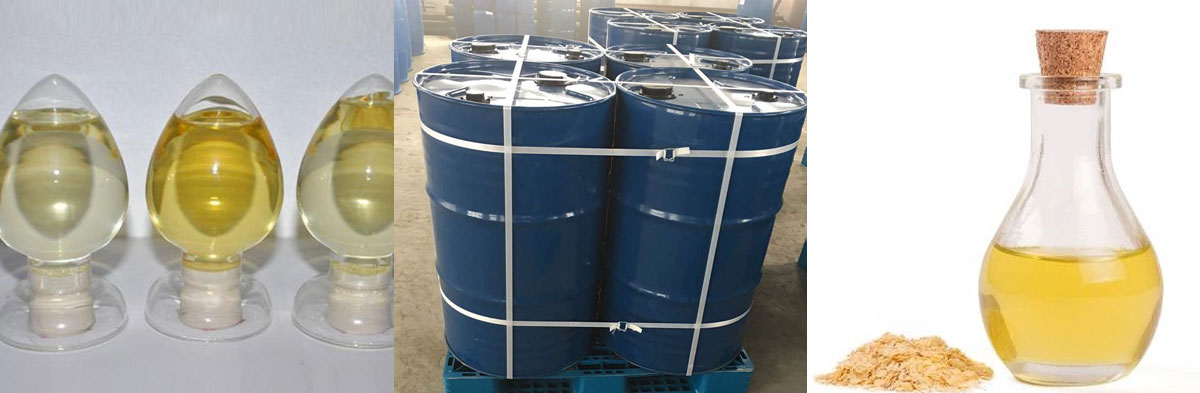
Linoleic acid Chemical Properties
| Melting point | -5 °C (lit.) |
| Boiling point | 229-230 °C/16 mmHg (lit.) |
| density | 0.902 g/mL at 25 °C (lit.) |
| FEMA | 3380 | 9,12-OCTADECADIENOIC ACID (48%) AND 9,12,15-OCTADECATRIENOIC ACID (52%) |
| refractive index | n20/D 1.466(lit.) |
| Fp | >230 °F |
| storage temp. | Store below +30°C. |
| solubility | NaOH: soluble1M |
| pka | 4.77(at 25℃) |
| form | liquid |
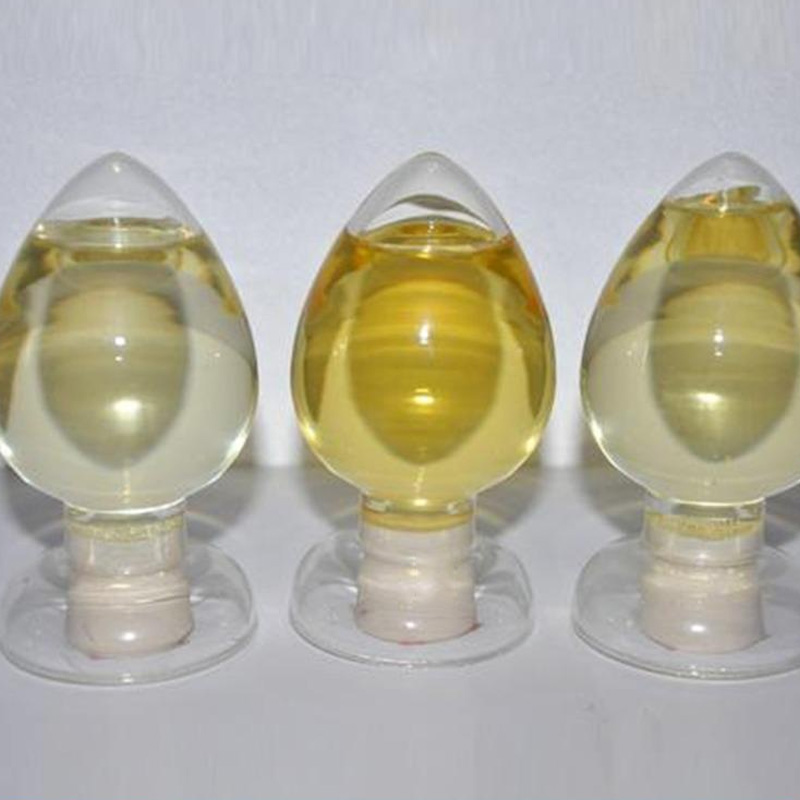
| color | Clear yellow |
| Odor | faint fatty |
| biological source | plant oil (safflower) |
| Water Solubility | INSOLUBLE |
| FreezingPoint | -5℃ |
| λmax | 270nm(H2O)(lit.) |
| Sensitive | Air Sensitive |
| Merck | 145505 |
| JECFA Number | 332 |
| BRN | 1727101 |
| Dielectric constant | 2.6(0℃) |
| Stability: | Stable, but air and light sensitive. Combustible. Incompatible with strong oxidizing agents. |
| Major Application | flavors and fragrances |
| Cosmetics Ingredients Functions | SKIN CONDITIONING - EMOLLIENT |
| HAIR CONDITIONING | |
| CLEANSING | |
| ANTISTATIC | |
| SKIN CONDITIONING | |
| SURFACTANT - CLEANSING | |
| Cosmetic Ingredient Review (CIR) | Linoleic acid (60-33-3) |
| InChI | 1S/C18H32O2/c1-2-3-4-5-6-7-8-9-10-11-12-13-14-15-16-17-18(19)20/h6-7,9-10H,2-5,8,11-17H2,1H3,(H,19,20)/b7-6-,10-9- |
| InChIKey | OYHQOLUKZRVURQ-KQHSAVHASA-N |
| SMILES | OC(CCCCCCC/C=C\C/C=C\CCCCC)=O |
| LogP | 7.05 |
| CAS DataBase Reference | 60-33-3(CAS DataBase Reference) |
| NIST Chemistry Reference | 9,12-Octadecadienoic acid (Z,Z)-(60-33-3) |
| EPA Substance Registry System | Linoleic acid (60-33-3) |
Safety Information
| Hazard Codes | Xi |
| Risk Statements | 36-36/37/38 |
| Safety Statements | 26-24/25-36-37/39 |
| RIDADR | UN1170 - class 3 - PG 2 - Ethanol |
| WGK Germany | 1 |
| RTECS | RF9990000 |
| F | 39744 |
| TSCA | TSCA listed |
| HS Code | 29161500 |
| Storage Class | 10 - Combustible liquids |
| Hazardous Substances Data | 60-33-3(Hazardous Substances Data) |
| Toxicity | LD50 oral in mouse: > 50gm/kg |

Product Application of Linoleic Acid (CAS#60-33-3)
Linoleic acid is an essential ω-6 polyunsaturated fatty acid (PUFA) and the most abundant PUFA found in many foods. Major dietary sources include vegetable oils, meats, nuts, seeds, and eggs.
In biological studies, linoleic acid (30 μM) has been shown to enhance the migration of IEC-6 rat intestinal epithelial cells in wound healing assays.
Animal studies indicate that rats fed a linoleate-deficient diet experience reduced body weight, an increased ratio of eicosatrienoate to arachidonate in liver and serum phospholipids, and mild scaling of forepaw skin compared with rats fed a normal diet.