
Phosphorus pentoxide CAS#1314-56-3
Strong Dehydrating Capability: Highly hygroscopic and easily deliquescent, making it an extremely effective drying and dehydrating agent.
High Thermal Stability: Exhibits a high melting point (580–585 °C) and stable performance under elevated temperatures, suitable for high-temperature applications.
Phase Versatility: Can transition from crystalline form to amorphous glass upon heating under pressure, offering flexibility in different processing conditions.
Selective Solubility Characteristics: Insoluble in acetone and ammonia but soluble in sulfuric acid, allowing controlled application in specific chemical systems.
Phosphorus Pentoxide (CAS#1314-56-3)
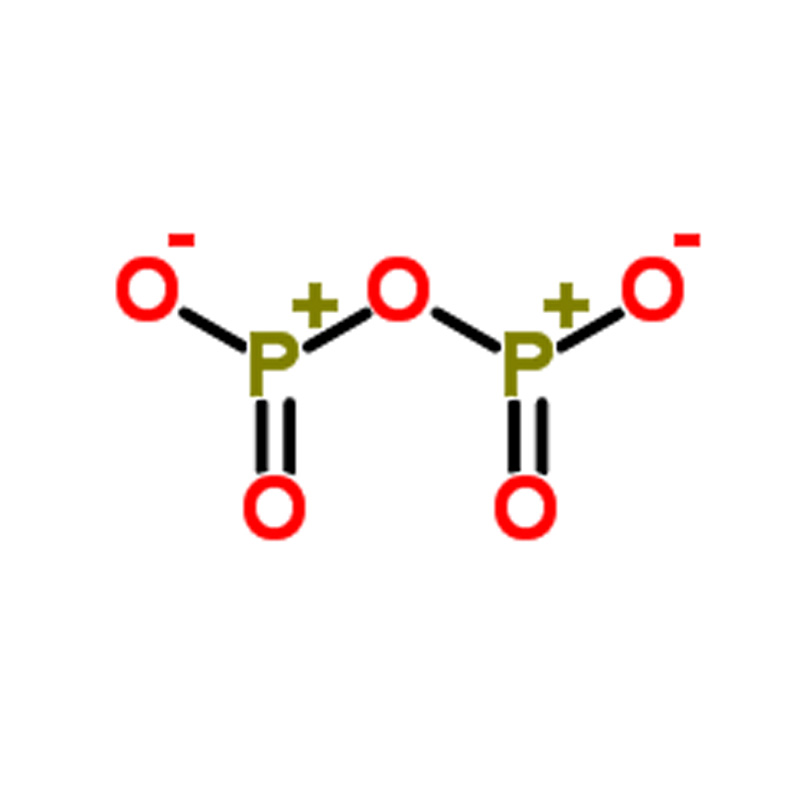
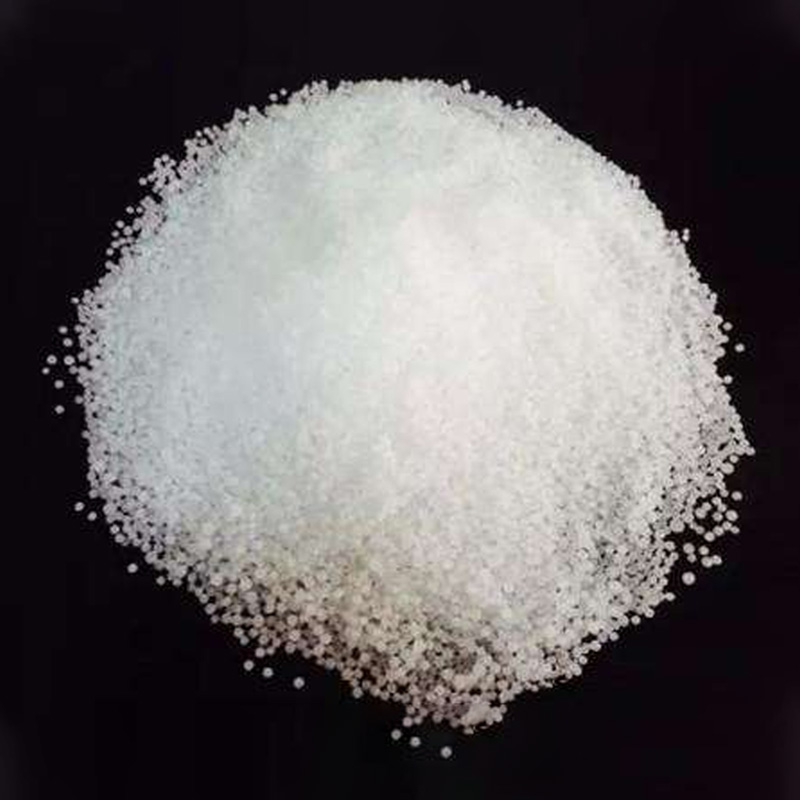
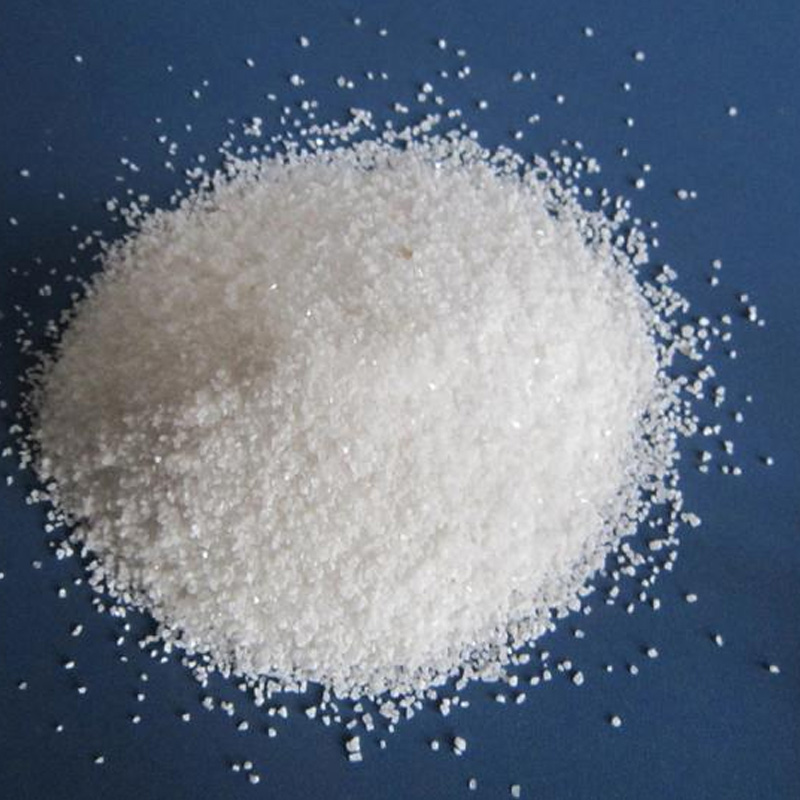
Phosphorus pentoxide, also known as phosphoric anhydride, is an oxide of phosphorus produced by the combustion of white, yellow, or red phosphorus in dry air. At room temperature, it appears as a soft white powder or colorless monoclinic crystals and is highly deliquescent.
It has a melting point of 580–585 °C, a relative density of 2.39, and a sublimation temperature of 347 °C. When heated under pressure to 563 °C, the crystalline form converts into an amorphous glass (melt). Phosphorus pentoxide is insoluble in acetone and ammonia but soluble in sulfuric acid.
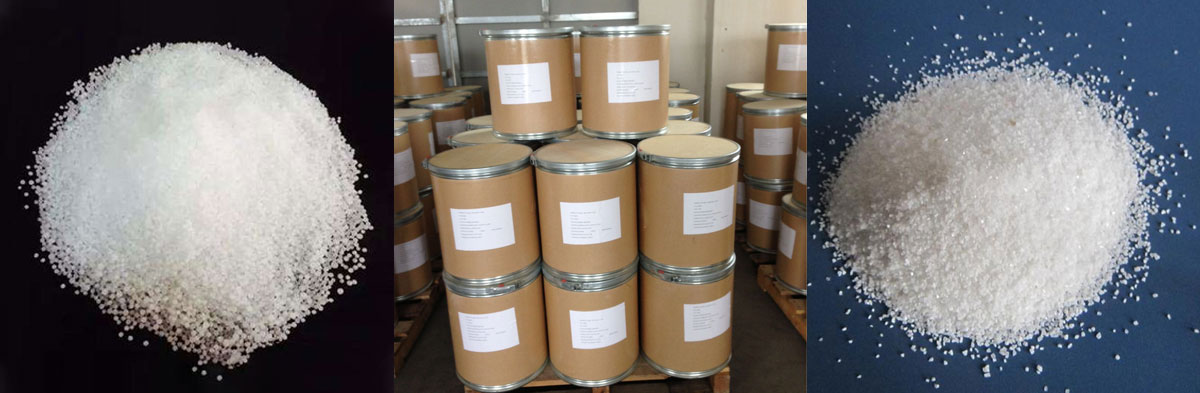
Phosphorus pentoxide Chemical Properties
| Melting point | 340 °C (lit.) |
| Boiling point | 122 °C (1 mmHg) |
| Bulk density | 700kg/m3 |
| Density | 2.3 g/mL at 25 °C (lit.) |
| Vapor density | 4.9 (vs air) |
| Vapor pressure | 1 mm Hg ( 384 °C) |
| Refractive index | 1.433-1.436 |
| Fp | 340-360°C |
| Storage temp | no restrictions. |
| Solubility | Soluble in sulfuric acid. Insoluble in acetone and ammonia. |
| Form | Very Deliquescing Powder |
| Color | White |
| Specific Gravity | 2.39 |
| Odor | Pungent odour |
| PH | 1 (5g/l, H2O, 20℃) |
| PH Range | <2 |
| Water Solubility | Soluble in sulfuric acid. Insoluble in acetone and ammonia. Decomposes in water. |
| Sensitive | Moisture Sensitive |
| Merck | 147355 |
| crystal system | Three sides |
| Sublimation | 340-360 ºC |
| Space group | R3c |
| Lattice constant | a/nmb/nmc/nmα/oβ/oγ/oV/nm31.030351.030351.3510290901201.2421 |
| Stability | Stability Stable, but reacts violently with water, alcohols, metals, sodium, potassium, ammonia, oxidizing agents, HF, peroxides, magnesium, strong bases. |
| Cosmetics Ingredients Functions | BUFFERING |
| CHELATING | |
| InChI | 1S/O10P4/c1-11-5-12(2)8-13(3,6-11)10-14(4,7-11)9-12 |
| InChIKey | YWEUIGNSBFLMFL-UHFFFAOYSA-N |
| SMILES | O=P12OP3(=O)OP(=O)(O1)OP(=O)(O2)O3 |
| CAS DataBase Reference | 1314-56-3(CAS DataBase Reference) |
| NIST Chemistry Reference | Diphosphorus pentoxide(1314-56-3) |
| EPA Substance Registry System | Phosphorus pentoxide (1314-56-3) |
Safety Information
| Hazard Codes | C |
| Risk Statements | 35 |
| Safety Statements | 22-26-45 |
| RIDADR | UN 1807 8/PG 2 |
| WGK Germany | 1 |
| RTECS | TH3945000 |
| F | 46091 |
| TSCA | TSCA listed |
| HS Code | 2809 10 00 |
| HazardClass | 8 |
| PackingGroup | II |
| Storage Class | 8A - Combustible corrosive hazardous materials |
| Hazard Classifications | Eye Dam. 1 |
| Skin Corr. 1A | |
| Hazardous Substances Data | 1314-56-3(Hazardous Substances Data) |

Product Application of Phosphorus Pentoxide (CAS#1314-56-3)
Phosphorus(V) oxide is widely used as a drying and dehydrating agent, a condensation reagent in organic synthesis, and a general laboratory reagent. It also finds applications in sugar refining and fire extinguishing.
When dissolved in DMSO, phosphorus pentoxide forms the Onodera reagent, which is effective for oxidizing alcohols. Additionally, it can convert mineral acids into their corresponding anhydrides.