
Calcium silicate CAS#1344-95-2
High-Temperature Insulation Capability: Calcium silicate, particularly calcium orthosilicate, is widely used as a safe alternative to asbestos for high-temperature insulation in industrial piping and equipment.
Versatile Material Forms: Available as crystalline or amorphous white to off-white material, and in various hydrate forms, allowing flexibility for different industrial applications.
Chemical Stability: Insoluble in water and capable of forming a gel with inorganic acids, providing stable performance under various chemical environments.
Adjustable Composition and Safety: Contains varying ratios of CaO and SiO₂ (including tricalcium and dicalcium silicate), offering customizable properties while maintaining a safe, non-toxic profile.
Calcium Silicate CAS No. 1344-95-2
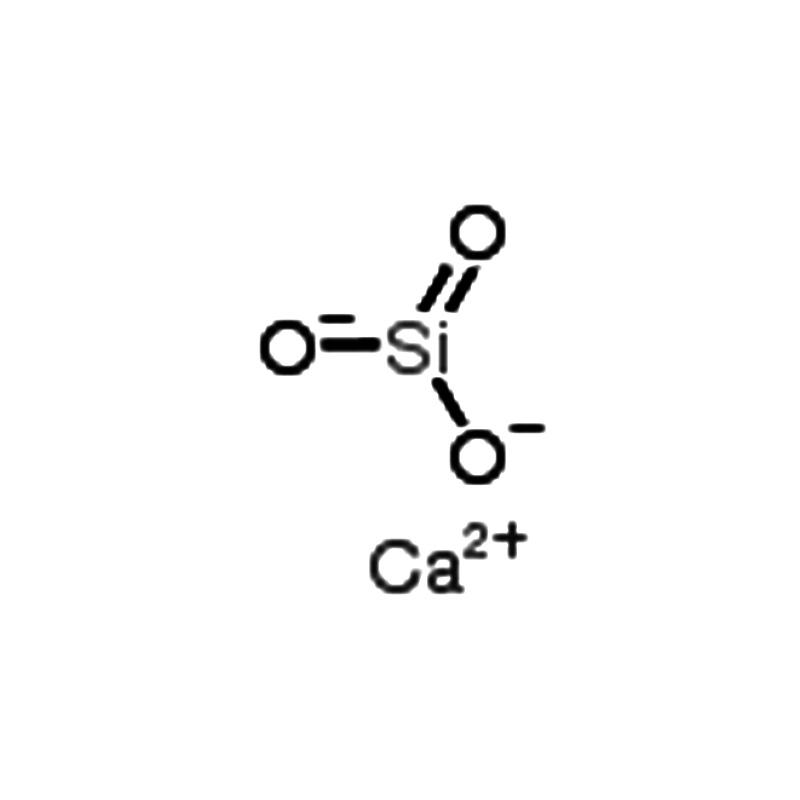
Calcium silicate is a hydrous or anhydrous silicate composed of varying proportions of calcium oxide and silica. Many naturally occurring calcium silicates exist as minerals, such as wollastonite, afwillite, and grammite. In cement paste, the stoichiometry of the hydrate can vary, and the state of chemically and physically bound water within its structure is not fully defined.
Calcium silicate can also be synthetically prepared by calcining calcium oxide with silica (SiO₂) at elevated temperatures: CaO + SiO₂ + heat → CaSiO₃. Calcium orthosilicate, a common form of calcium silicate, is widely used as a safe alternative to asbestos for high-temperature insulation, including industrial-grade piping and equipment insulation.
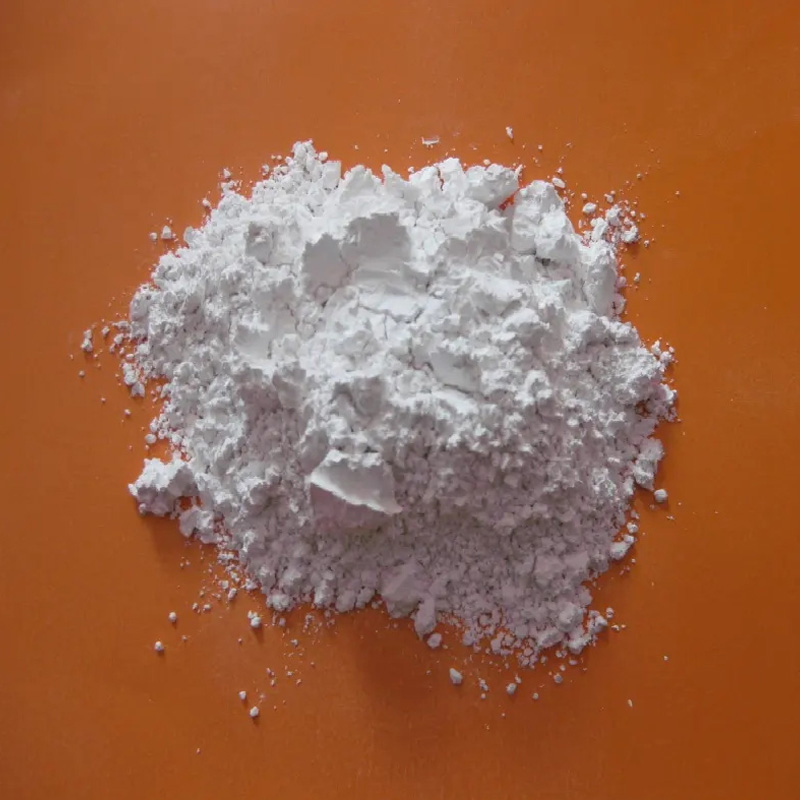
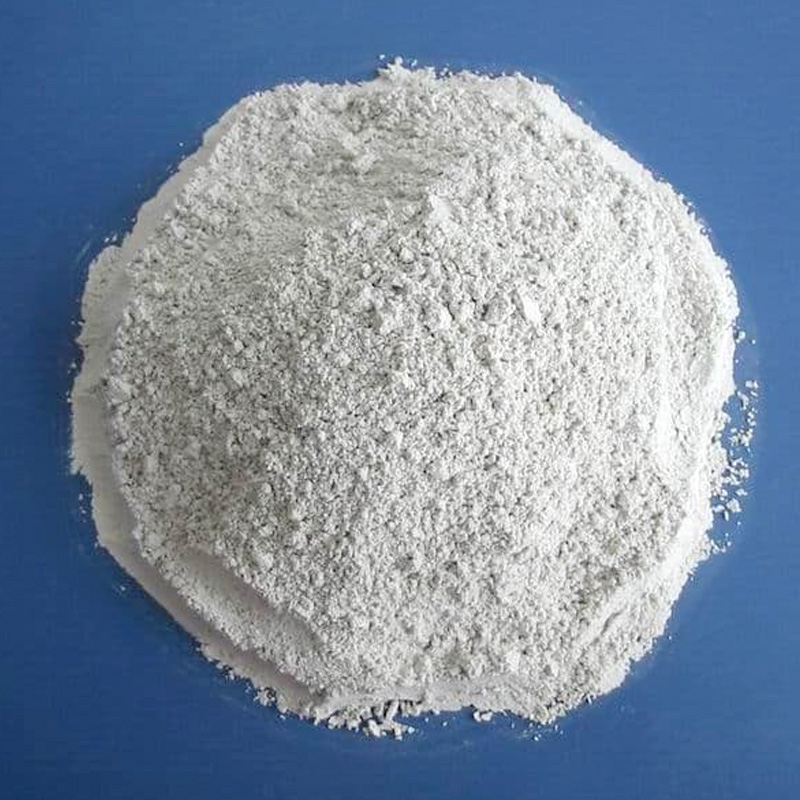
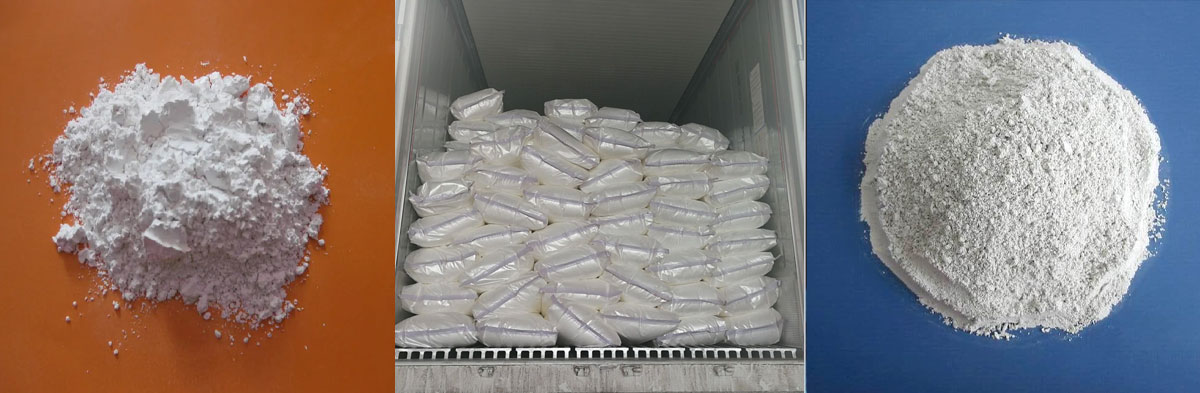
It occurs as a crystalline or amorphous white to off-white material and often exists in various hydrated forms. Calcium silicate includes different ratios of CaO and SiO₂, such as tricalcium silicate (3CaO·SiO₂) and dicalcium silicate (2CaO·SiO₄). It is insoluble in water and can form a gel with inorganic acids. A 5% suspension typically has a pH range of 8.4 to 10.2.
Calcium silicate Chemical Properties
| Melting point | 1540℃ [CRC10] |
| density | 2.9 g/mL at 25 °C (lit.) |
| solubility | Practically insoluble in water; forms a gel with mineral acids. It can absorb up to 2.5 times its weight of liquids and still remain a free-flowing powder. |
| form | white monoclinic crystals |
| Specific Gravity | 2.9 |
| color | white monoclinic crystals, crystalline |
| Odor | at 100.00?%. odorless |
| PH | 9.5-11.5 (5% in H2O) |
| Water Solubility | insoluble H2O [HAW93] |
| Merck | 131,707 |
| Stability: | Stable. |
| Cosmetics Ingredients Functions | ABSORBENT |
| BULKING | |
| OPACIFYING | |
| LogP | 0.651 (est) |
| CAS DataBase Reference | 1344-95-2(CAS DataBase Reference) |
| EPA Substance Registry System | Calcium silicate (1344-95-2) |
Safety Information
| Hazard Codes | Xi |
| Risk Statements | 36/37 |
| Safety Statements | 22-26-37/39 |
| OEB | B |
| OEL | TWA: 10 mg/m3 (total) |
| WGK Germany | 3 |
| RTECS | VV9170000 |
| TSCA | TSCA listed |
| Hazardous Substances Data | 1344-95-2(Hazardous Substances Data) |

Product Application of Calcium Silicate CAS No. 1344-95-2
Calcium silicate is widely used for its excellent anticaking properties. It is commonly incorporated into dusting powders and a variety of cosmetic products, such as face powders and eye shadows. It also serves as an anticaking agent in table salt, foods, pharmaceuticals, and agricultural pesticides.
Beyond its use as an anticaking agent, calcium silicate functions as a safe replacement for asbestos in thermal insulation, a constituent in lime glass and Portland cement (produced in situ), and a reinforcing filler in elastomers and plastics. It is also utilized as an absorbent for liquids, gases, and vapors, a suspension agent, a pigment or pigment extender, a binder for refractory materials, in chromatography, and in road construction applications.