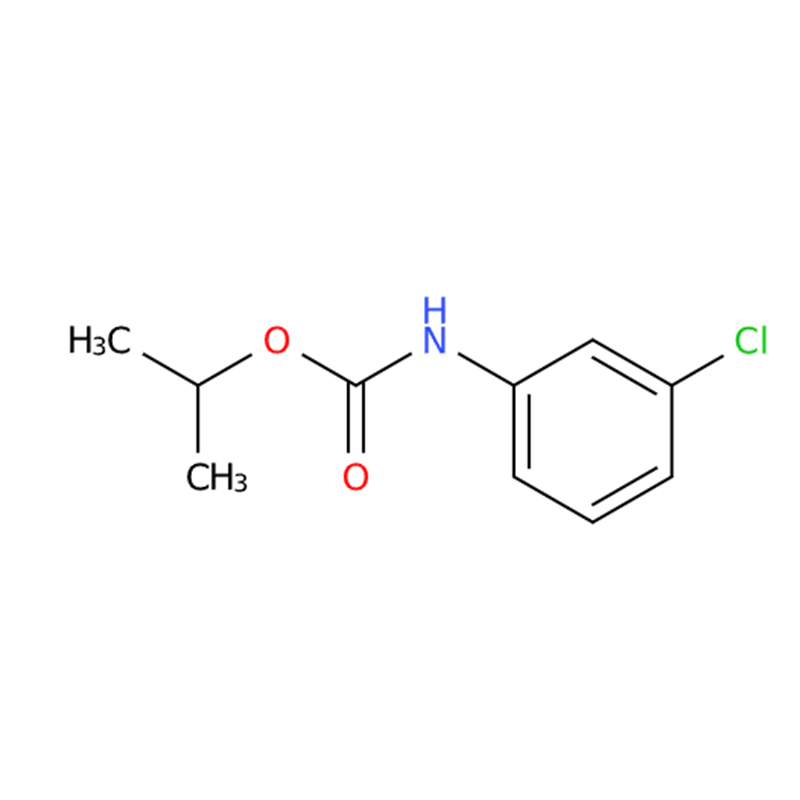
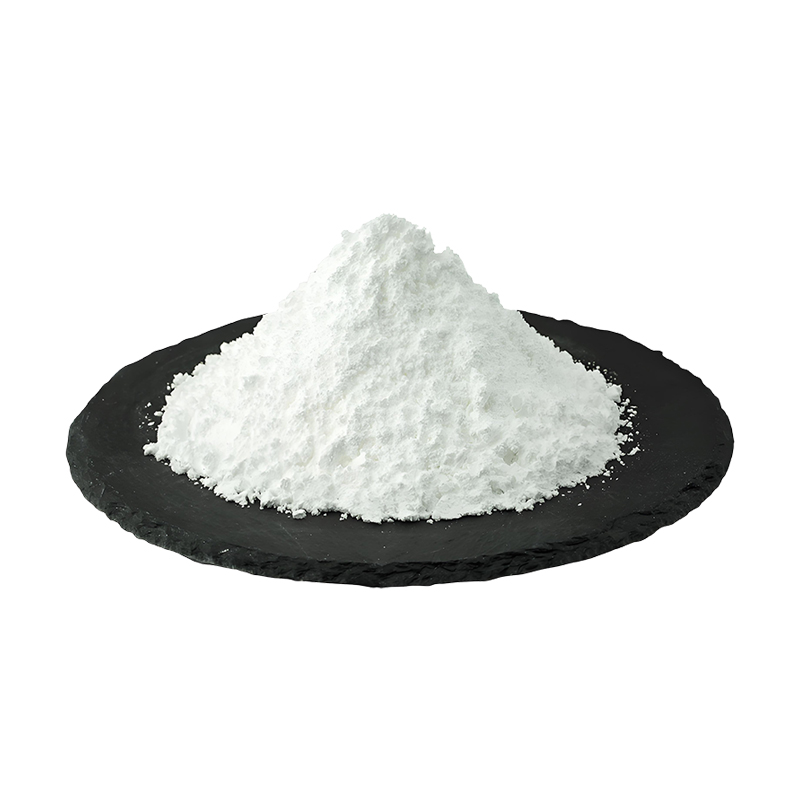
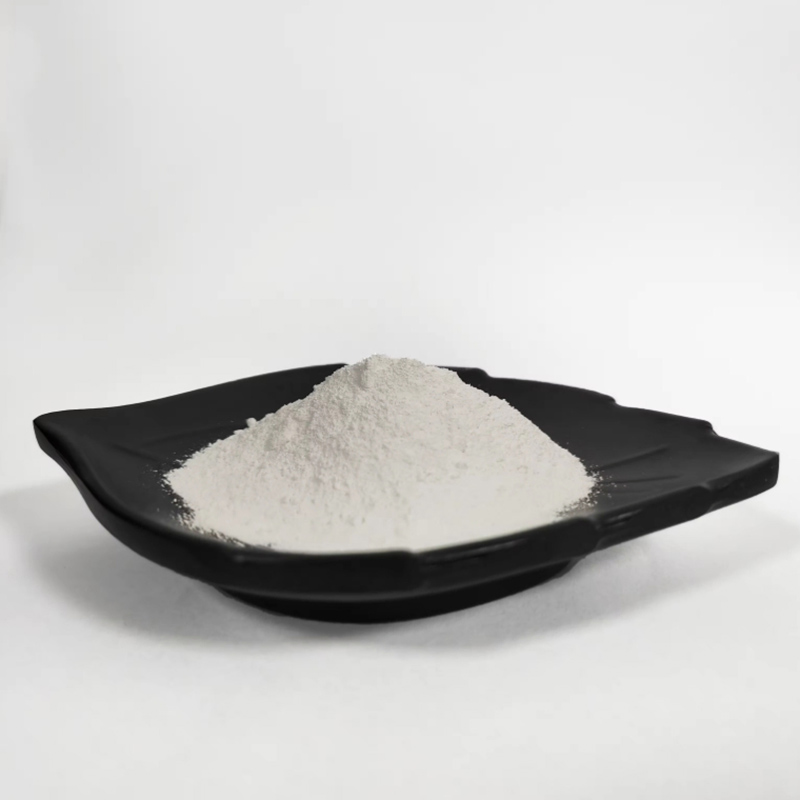

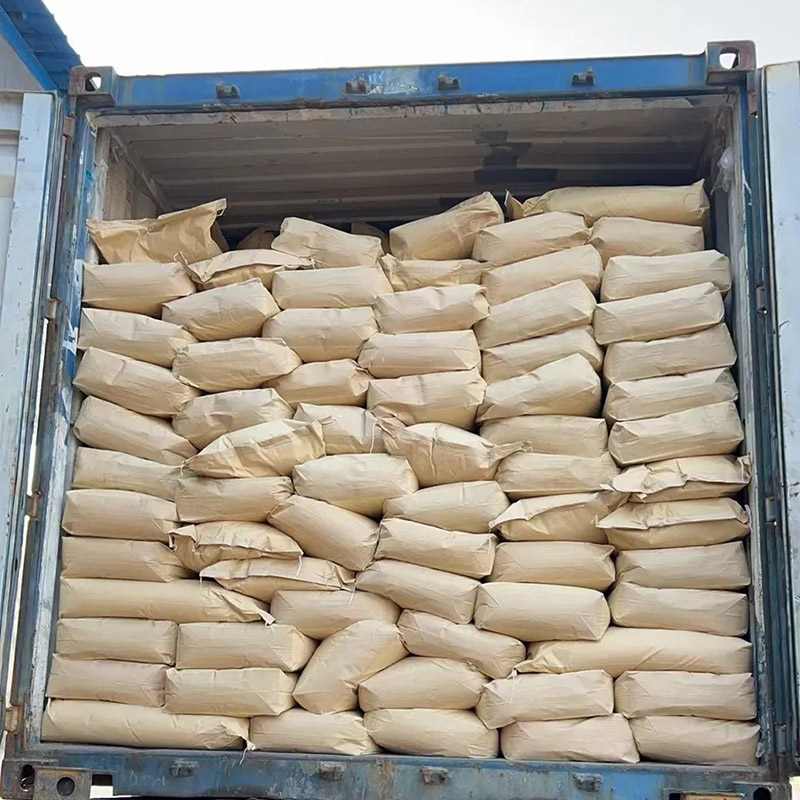
Chlorpropham CAS#101-21-3
Low Melting Point for Easy Processing: The compound has a low melting point of 41.4°C, making it convenient to handle, process, and incorporate into various industrial applications.
Excellent Compatibility with Organic Solvents: It is miscible with lower alcohols, aromatic compounds, and most organic solvents, providing broad formulation flexibility.
High Product Purity: Industrial-grade material typically offers a purity of 98.5%, ensuring consistent quality and reliable performance in manufacturing processes.
Good Stability Under Normal Conditions: The compound remains stable at temperatures below 100°C, making it suitable for storage and use under standard processing conditions.
Chlorpropham CAS#101-21-3
Chlorpropham is a solid compound with a relatively low melting point of 41.4°C. It has a density of d30 1.180 and a refractive index of nD20 1.5395 (after cooling).
At 25°C, its solubility in water is approximately 89 mg/L, while it exhibits moderate solubility in oils, with about 10% solubility in kerosene. It is compatible with lower alcohols, aromatic hydrocarbons, and most organic solvents.
Industrial-grade Chlorpropham typically has a purity of 98.5% and a melting point range of 38.5–40°C. The compound remains stable at temperatures below 100°C, although it undergoes gradual hydrolysis under acidic or alkaline conditions.
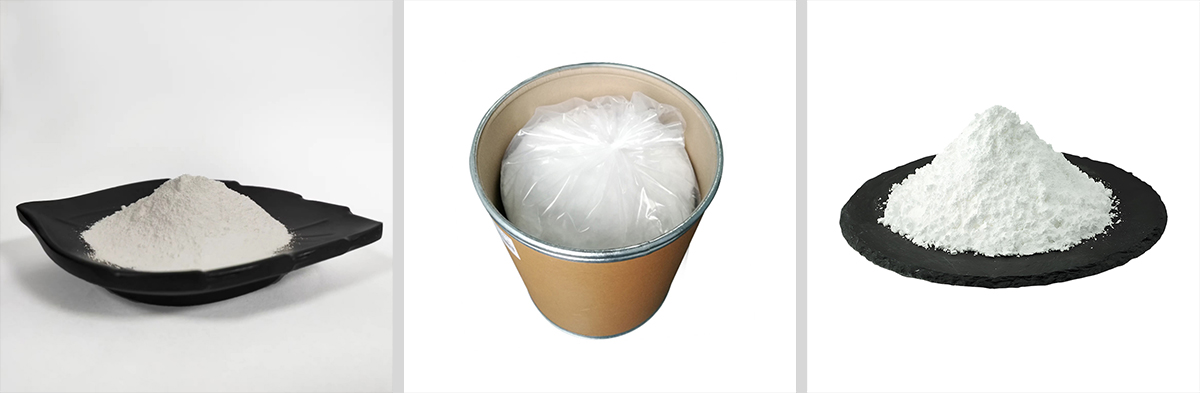
Chlorpropham Chemical Properties
| Melting point | 41°C |
| Boiling point | 247°C |
| density | 1.18 |
| refractive index | nD20 1.5388 |
| Fp | 247°C |
| storage temp. | 2-8°C |
| solubility | Chloroform (Slightly), Methanol (Slightly) |
| pka | 13.06±0.70(Predicted) |
| form | crystalline |
| color | light tan |
| Odor | faint char. odor |
| Water Solubility | 0.009 g/100 ml very poor |
| Decomposition | 247 ºC |
| Merck | 142187 |
| BRN | 2211397 |
| Exposure limits | An experimental carcinogen and neoplastigen |
| Stability: | Stable. Incompatible with strong acids, strong bases, strong oxidizing agents. |
| Major Application | agriculture |
| InChI | 1S/C10H12ClNO2/c1-7(2)14-10(13)12-9-5-3-4-8(11)6-9/h3-7H,1-2H3,(H,12,13) |
| InChIKey | CWJSHJJYOPWUGX-UHFFFAOYSA-N |
| SMILES | CC(C)OC(=O)Nc1cccc(Cl)c1 |
| CAS DataBase Reference | 101-21-3(CAS DataBase Reference) |
| IARC | 3 (Vol. 12, Sup 7) 1987 |
| NIST Chemistry Reference | Chlorpropham(101-21-3) |
| EPA Substance Registry System | Chlorpropham (101-21-3) |
Safety Information
| Hazard Codes | Xn,N,F |
| Risk Statements | 22-51/53-36-20/21/22-11 |
| Safety Statements | 61-36/37-26-16 |
| RIDADR | UN 3077 9/PG 3 |
| WGK Germany | 2 |
| RTECS | FD8050000 |
| HS Code | 2924.29.4300 |
| HazardClass | 9 |
| PackingGroup | III |
| Storage Class | 3 - Flammable liquids |
| Hazard Classifications | Acute Tox. 4 Dermal |
| Acute Tox. 4 Inhalation | |
| Acute Tox. 4 Oral | |
| Eye Irrit. 2 | |
| Flam. Liq. 2 | |
| Hazardous Substances Data | 101-21-3(Hazardous Substances Data) |
| Toxicity | LD50 orally in rats: 1.2 g/kg (Boyd, Carsky) |