
P-Phenylenediamine CAS#106-50-3
Versatile Industrial Intermediate: P-Phenylenediamine is an important aromatic diamine widely used in the manufacture of azo dyes, sulfur dyes, acid dyes, high-performance polymers, and various specialty chemicals.
Key Raw Material for Advanced Materials: It serves as a valuable precursor in the production of high-strength materials such as Kevlar, as well as rubber antioxidants and other industrial additives.
Broad Solubility Characteristics: The compound is soluble in a variety of organic solvents, including alcohol, ether, chloroform, and benzene, providing flexibility for chemical synthesis and processing applications.
Wide Range of Commercial Applications: In addition to its use in dyes and polymers, P-Phenylenediamine is employed in hair dye formulations, photographic developers, gasoline polymerization inhibitors, analytical reagents, coatings, and protective materials.
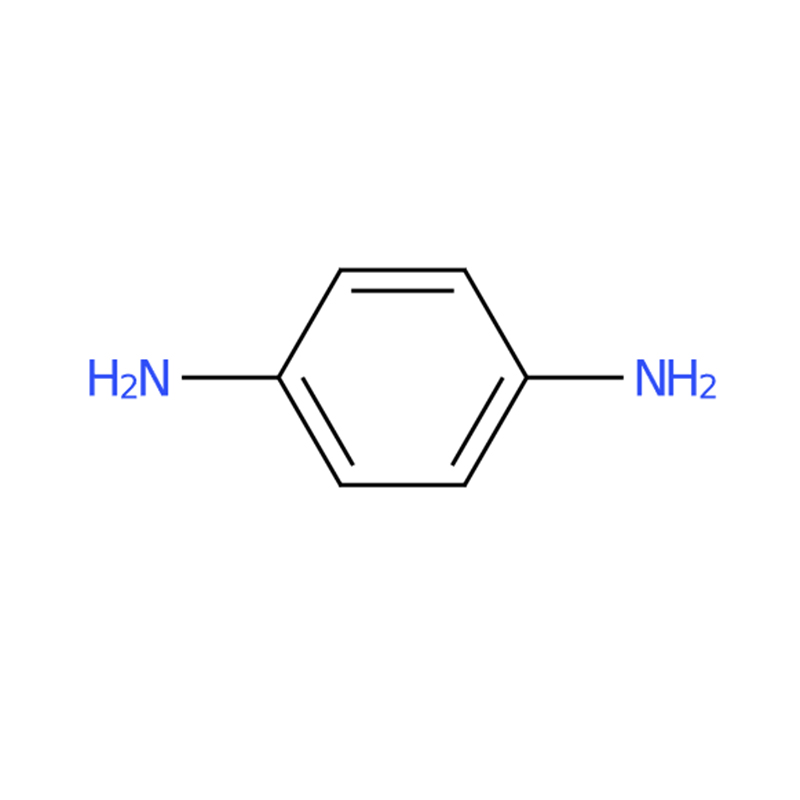
p-Phenylenediamine CAS#106-50-3
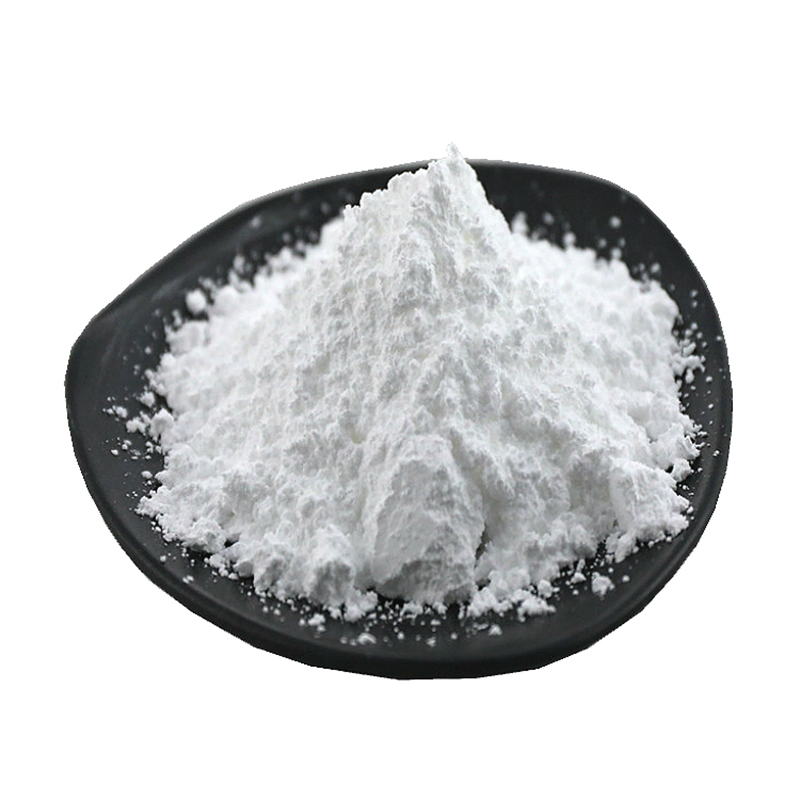
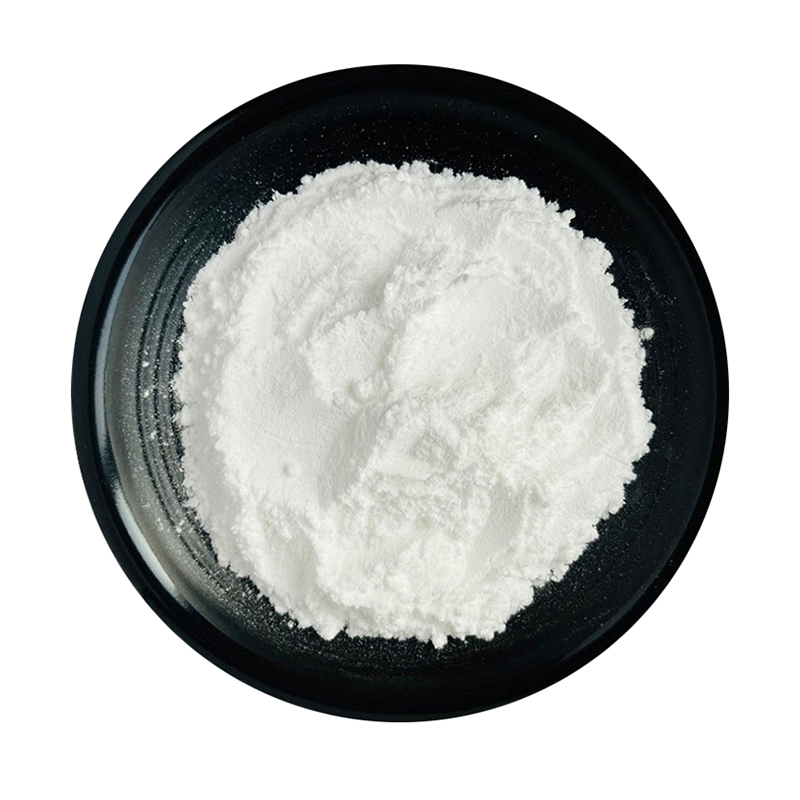
p-Phenylenediamine is one of the simplest aromatic diamines. In its pure form, it appears as white to reddish-purple crystals and gradually turns purple or dark brown upon exposure to air. It is slightly soluble in cold water and readily soluble in organic solvents such as alcohol, ether, chloroform, and benzene.
The compound is widely used in the manufacture of azo dyes, high-molecular-weight polymers, fur dyes, rubber antioxidants, and photographic developers. It is also an important raw material for the production of Kevlar, sulfur dyes, acid dyes, black fur dyes (D and DB), brown fur dye N2, and rubber antioxidants such as DNP, DOP, and MB. In addition, it is used in hair dye formulations, gasoline polymerization inhibitors, and developing agents.
p-Phenylenediamine is permitted for use in hair dye products, subject to regulatory limits. According to China's Hygienic Standard for Cosmetics, the concentration of p-phenylenediamine in hair dyes should not exceed 6%.
Besides its applications in the dye and chemical industries, p-phenylenediamine is also used as a sensitive analytical reagent for the detection of iron and copper. Internationally, it has applications in aircraft coatings, protective materials, and wall paint formulations.
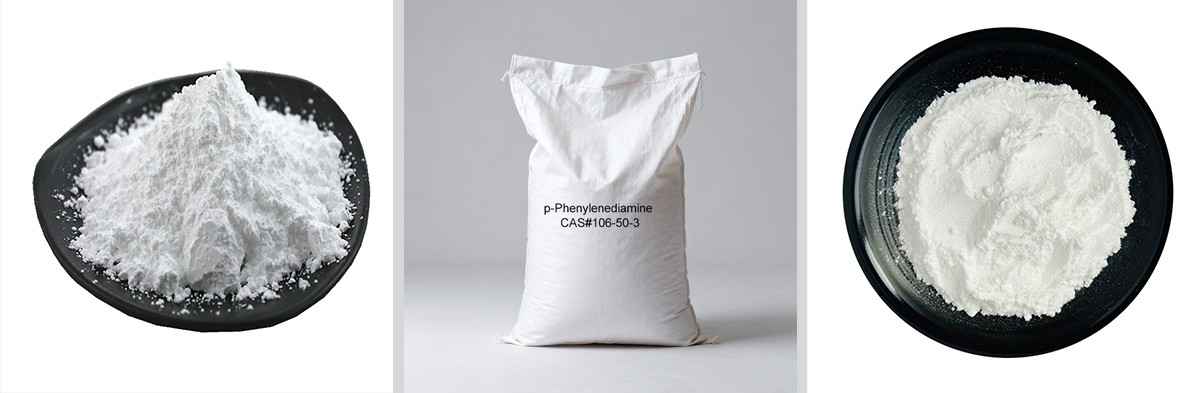
p-Phenylenediamine Chemical Properties
| Melting point | 138-143 °C (lit.) |
| Boiling point | 267 °C (lit.) |
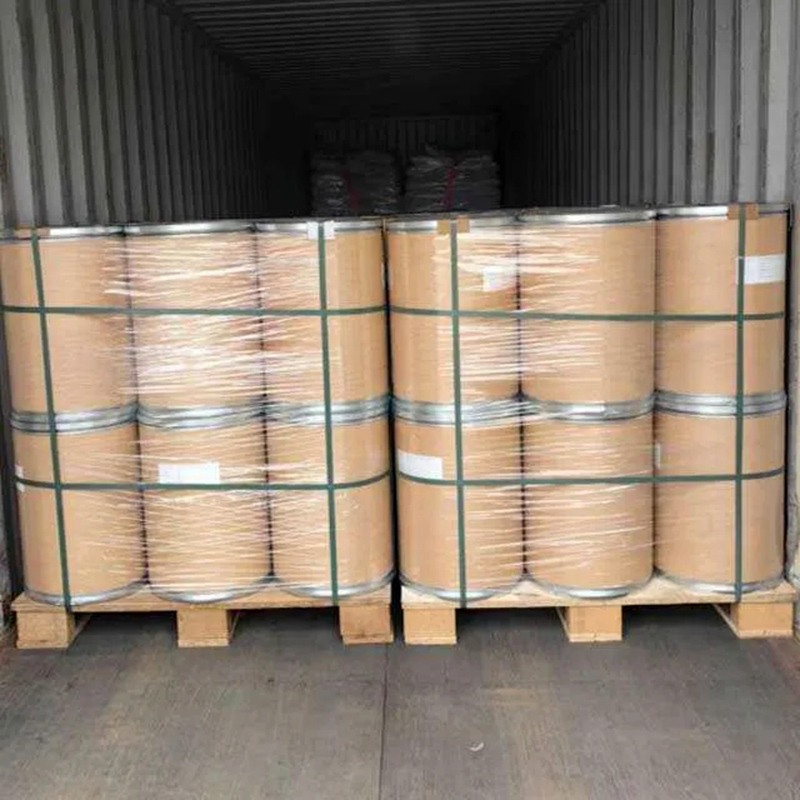
| bulk density | 600kg/m3 |
| density | 1.135 g/cm3 (20℃) |
| vapor density | 3.7 (vs air) |
| vapor pressure | 1.08 mm Hg ( 100 °C) |
| refractive index | 1.6339 (estimate) |
| Fp | 156 °C |
| storage temp. | Store below +30°C. |
| solubility | Soluble in alcohol, chloroform, ether and hot benzene. |
| pka | 4.17(at 25℃) |
| form | Powder or Flakes |
| Colour Index | 76060 |
| color | White, gray, or purple to brown |
| PH | 9 (50g/l, H2O, 20℃) |
| PH Range | NonQ uorescence (3.1) to orange/yellow Q uorescence (4.4) |
| Water Solubility | 47 g/L (25 ºC) |
| Merck | 147285 |
| BRN | 742029 |
| Exposure limits | TLV-TWA 0.1 mg/m3 (ACGIH 1989); TWA skin 0.1 mg/m3 (MSHA and OSHA); IDLH 25 mg/m3 (NIOSH); carcinogenicity: Animal Inadequate Evidence (IARC). . |
| Stability: | Stable, but oxidizes when exposed to air. Incompatible with oxidizing agents. Store under inert atmosphere. |
| Major Application | Nanoparticles, liquid crystal displays, chemical mechanical polishing, bottom antireflective coatings, electrochromic materials, inks, rubber, hair dyes, cosmetics, treatment of virus skin infection |
| Cosmetics Ingredients Functions | HAIR DYEING |
| InChI | 1S/C6H8N2/c7-5-1-2-6(8)4-3-5/h1-4H,7-8H2 |
| InChIKey | CBCKQZAAMUWICA-UHFFFAOYSA-N |
| SMILES | Nc1ccc(N)cc1 |
| LogP | -0.84 at 20℃ |
| CAS DataBase Reference | 106-50-3(CAS DataBase Reference) |
| IARC | 3 (Vol. 16, Sup 7) 1987 |
| NIST Chemistry Reference | 1,4-Benzenediamine(106-50-3) |
| EPA Substance Registry System | p-Phenylenediamine (106-50-3) |
Safety Information
| Hazard Codes | T,N,T+,Xn |
| Risk Statements | 23/24/25-36-43-50/53-63-36/37/38-45-40-48/22-67-52/53 |
| Safety Statements | 28-36/37-45-60-61-28A-24/25-23-53-26 |
| RIDADR | UN 1673 6.1/PG 3 |
| OEB | D |
| OEL | TWA: 0.1 mg/m3 [skin] |
| WGK Germany | 3 |
| RTECS | SS8050000 |
| F | 39744 |
| Autoignition Temperature | 567 °C |
| TSCA | TSCA listed |
| HazardClass | 6.1 |
| PackingGroup | III |
| HS Code | 29215119 |
| Storage Class | 6.1C - Combustible acute toxic Cat.3 |
| toxic compounds or compounds which causing chronic effects | |
| Hazard Classifications | Acute Tox. 3 Dermal |
| Acute Tox. 3 Inhalation | |
| Acute Tox. 3 Oral | |
| Aquatic Acute 1 | |
| Aquatic Chronic 1 | |
| Eye Irrit. 2 | |
| Skin Sens. 1 | |
| STOT SE 1 Oral | |
| Hazardous Substances Data | 106-50-3(Hazardous Substances Data) |
| Toxicity | LD50 in rats (mg/kg): 80 orally, 37 i.p. (Burnett) |
| IDLA | 25 mg/m3 |

Product Application of p-Phenylenediamine CAS#106-50-3
p-Phenylenediamine is widely used as an intermediate in the production of azo dyes and serves as a photographic developing agent. It is also employed in photochemical measurements, laboratory analysis, and as a key intermediate in the manufacture of rubber antioxidants and accelerators.
In addition, it is used in hair and fur dyes, lithography, photocopying processes, and formulations involving oils, greases, and gasoline. Within the rubber and plastics industries, it functions as an antioxidant and accelerator. The hydrochloride form of p-phenylenediamine is also utilized as a blood reagent.