
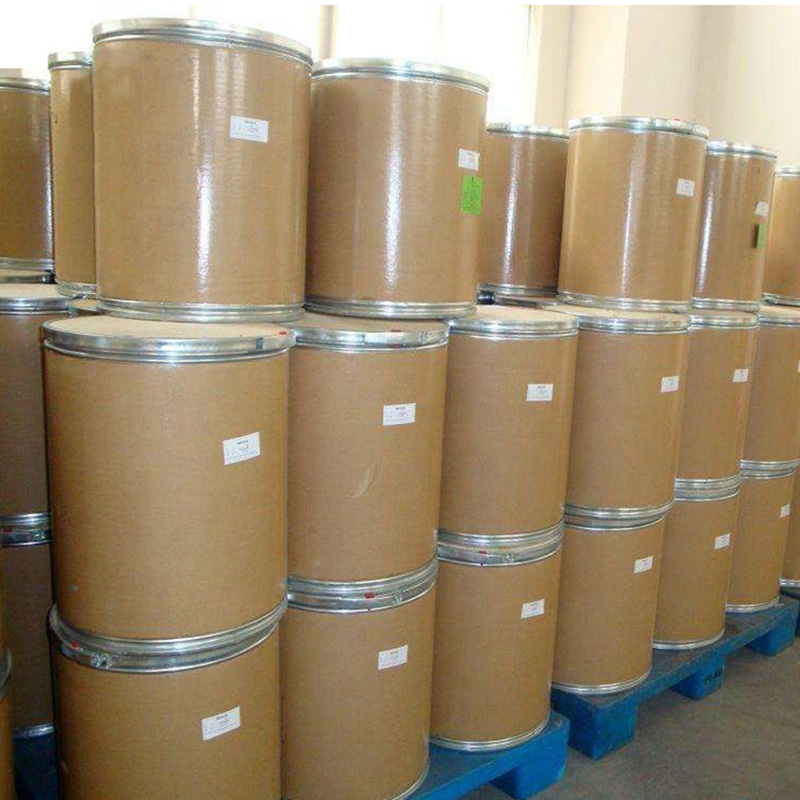
Baicalin CAS#21967-41-9
Broad Biological Activity: Baicalin demonstrates multiple beneficial properties, including anti-inflammatory, anti-tumor, anti-oxidant, anti-viral, antibacterial, anti-angiogenic, and anti-apoptotic activities.
Natural Flavonoid Compound: As an active flavonoid derived from Blue Skullcap, baicalin offers a naturally sourced ingredient for pharmaceutical and research applications.
Potential Therapeutic Applications: Baicalin has been studied for use in autoimmune diseases and various cancers, including HBV-infected liver cancer, hepatic cancer, and cervical cancer.
Supports Cellular Protection and Stress Reduction: Its anti-apoptotic effects may help protect PC-12 cells from oxidative stress, contributing to stress reduction and support for healthy sleep cycles.
Baicalin CAS#21967-41-9
Baicalin is the active flavonoid compound derived from Blue Skullcap. It is a naturally occurring flavonoid with a wide range of biological activities. Baicalin exhibits anti-inflammatory, anti-tumor, anti-angiogenic, antioxidant, anti-apoptotic, antiviral, and antibacterial properties.
It has potential applications in the treatment of autoimmune diseases and various cancers, including hepatitis B virus (HBV)-associated liver cancer, hepatic cancer, and cervical cancer. It has also been studied for use against dengue virus infections and in the development of drugs for treating and counteracting ricin poisoning.
In addition, due to its anti-apoptotic activity and protective effects on PC-12 cells against oxidative stress, baicalin may help reduce stress and support healthy sleep regulation.
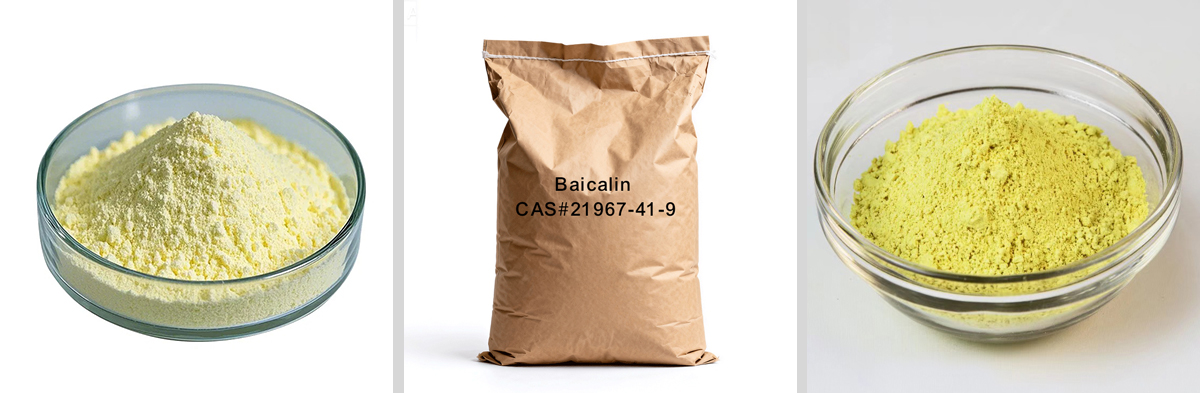
Baicalin Chemical Properties
| Melting point | 202-205 °C (dec.) (lit.) |
| alpha | -85 º (c=1, DMSO) |
| Boiling point | 836.6±65.0 °C(Predicted) |
| density | 1.737±0.06 g/cm3(Predicted) |
| storage temp. | 2-8°C |
| solubility | DMSO (Slightly), Methanol (Slightly) |
| pka | 2.72±0.70(Predicted) |
| form | solid |
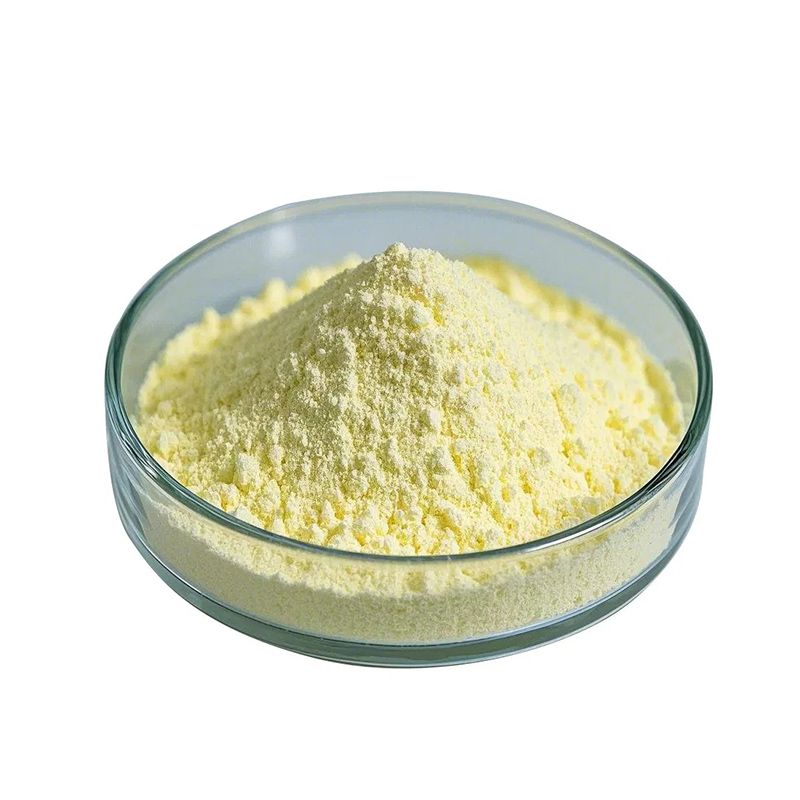
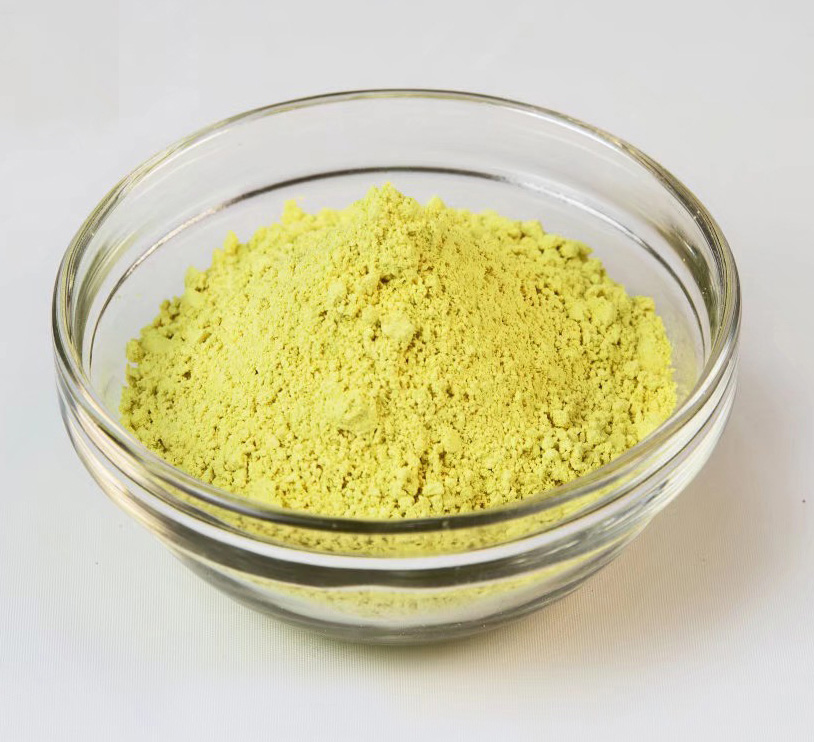
| color | Pale Yellow to Yellow |
| Optical Rotation | [α]20/D 85°, c = 1 in DMSO |
| Stability: | Hygroscopic |
| Cosmetics Ingredients Functions | SKIN CONDITIONING |
| ANTIOXIDANT | |
| InChIKey | IKIIZLYTISPENI-ZFORQUDYSA-N |
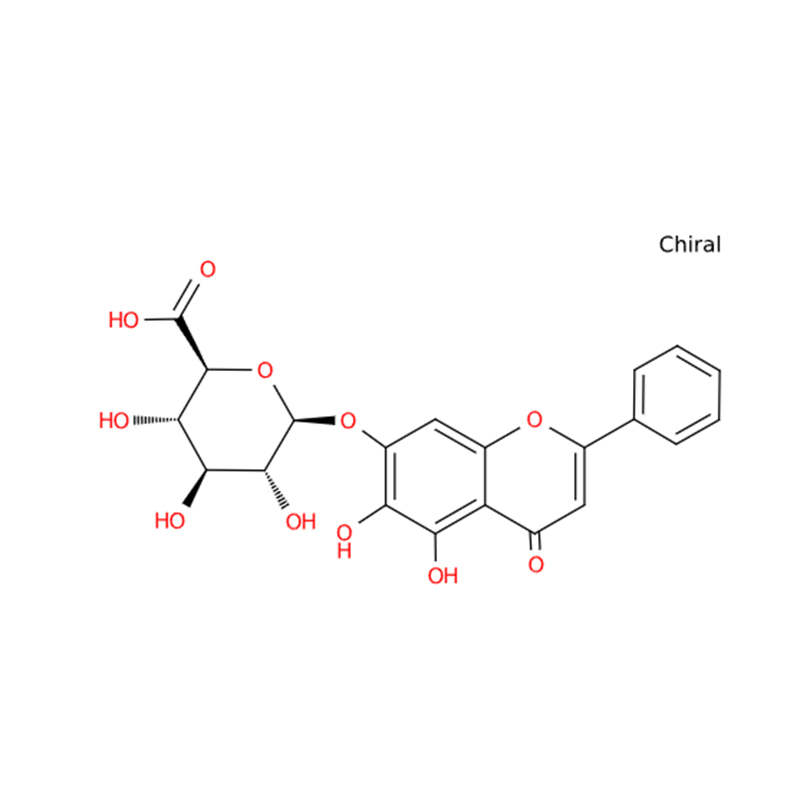
| SMILES | OC1C(=C(O[C@H]2[C@@H]([C@@H](O)[C@H](O)[C@@H](C(=O)O)O2)O)C=C2OC(C3C=CC=CC=3)=CC(=O)C=12)O |&1:5,6,7,9,11,r| |
| LogP | 1.431 (est) |
| CAS DataBase Reference | 21967-41-9(CAS DataBase Reference) |
| Hazard Codes | Xi |
| Risk Statements | 36/37/38 |
| Safety Statements | 26-36 |
| WGK Germany | 3 |
| RTECS | LZ5776910 |
| HS Code | 29329990 |
| Storage Class | 11 - Combustible Solids |
| Hazard Classifications | Acute Tox. 4 Oral |

Product Application of Baicalin CAS#21967-41-9
In clinical use, baicalin is mainly applied as an adjuvant therapy for acute, chronic, and persistent hepatitis. It has been shown to reduce the expression of hepatitis B surface antigen, e antigen, and core antigen, as well as inhibit hepatitis B virus DNA replication. In patients with hepatitis, baicalin treatment is associated with decreased serum alanine aminotransferase levels and overall improvement in other liver function indicators. No adverse reactions have been reported in association with baicalin use.
In addition, baicalin has been reported to be effective in the treatment of early diabetic nephropathy and in alleviating symptoms of diabetic neuropathy.
As one of the antimicrobial constituents of Scutellaria baicalensis, eye drops containing 3% baicalin are clinically used for the treatment of trachoma, showing efficacy comparable to rifampicin.
Furthermore, baicalein is also used in clinical practice for the treatment of enteritis and dysentery.